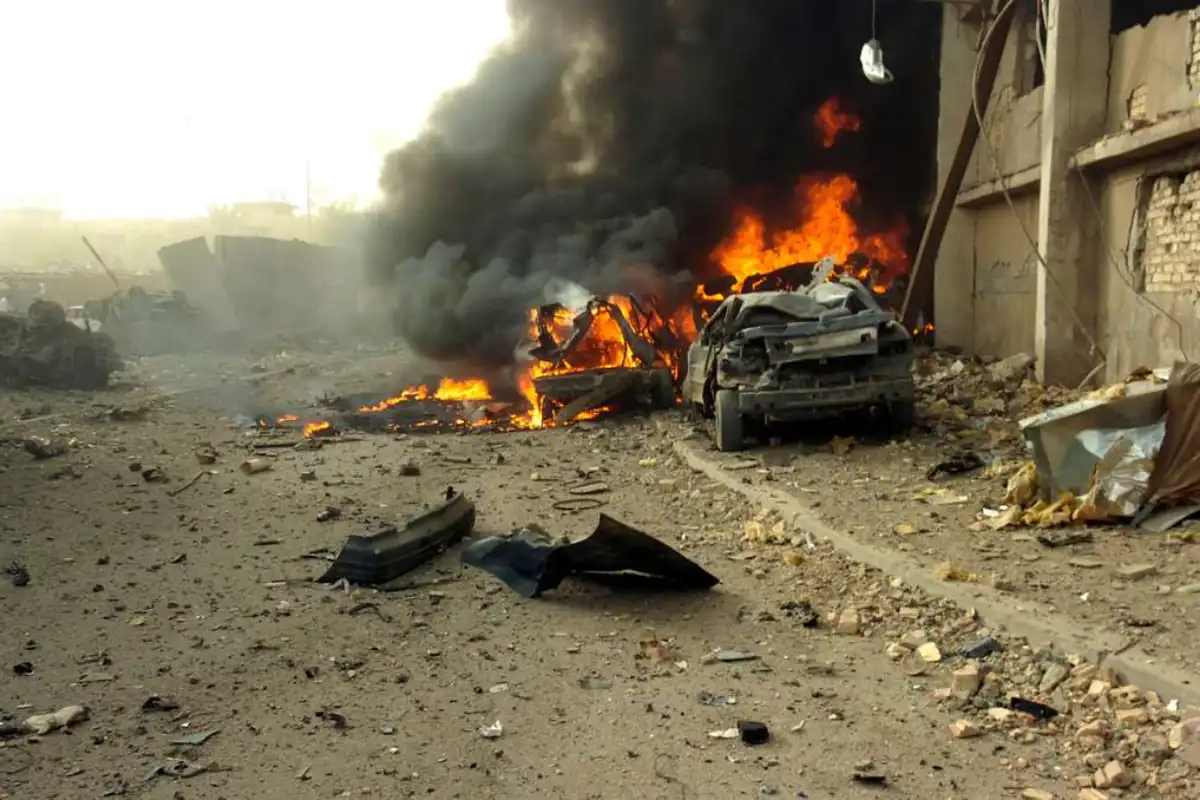

At least 31 people have been killed after a powerful blast hit a mosque in Pakistan’s capital, Islamabad, earlier today, according to government officials. Dozens of others were injured, several critically, as rescue teams continued operations at the site.
Authorities say the situation remains fluid, and the death toll may rise as more information becomes available.
Rescue Operations Ongoing
Emergency responders, including police, paramedics, and volunteers, rushed to the mosque shortly after the explosion. Parts of the building collapsed following the blast, trapping worshippers under debris.
Ambulances transported the injured to hospitals across Islamabad and the nearby city of Rawalpindi, where emergency wards were placed on high alert.
Doctors said several victims remain in critical condition.
Pakistan’s Interior Ministry confirmed the death toll and said security has been tightened across the capital.
“All resources are being used to assist the injured and investigate the incident,” a senior official said.
Authorities urged the public to avoid the area to allow rescue and forensic teams to work without disruption.
Investigation Underway
Police and counter-terrorism officials have launched a formal investigation to determine the cause of the blast.
Investigators are examining:
- Whether an improvised explosive device (IED) was used
- The possibility of a suicide attack
Forensic teams are collecting evidence from the site, while intelligence agencies are reviewing CCTV footage from nearby buildings and gathering witness statements.
No official conclusion has been announced so far.
Security Raised Across Islamabad
Following the blast:
- The area around the mosque was sealed
- Additional police checkpoints were set up
- Security was increased at mosques, government buildings, and diplomatic zones
Islamabad is considered one of Pakistan’s most heavily guarded cities, making today’s attack particularly concerning for authorities.
Hospitals in Islamabad and Rawalpindi activated emergency response protocols. Medical officials said additional staff were called in, and blood supplies were mobilized.
Doctors warned that the next few hours would be critical for patients with severe injuries.
Hospitals in Islamabad and Rawalpindi activated emergency response protocols. Medical officials said additional staff were called in, and blood supplies were mobilized.
Doctors warned that the next few hours would be critical for patients with severe injuries.
Why This Matters
Attacks on places of worship carry deep social and symbolic significance in Pakistan. While large-scale attacks in Islamabad are relatively rare, the incident has renewed concerns over security at religious sites during prayer times and large gatherings.
Pakistan has faced waves of militant violence over the past two decades, though security operations in recent years had reduced attacks in major urban centers.
No group has immediately claimed responsibility for today’s blast.
Authorities say further updates will be shared as the investigation progresses and more details are confirmed. This story will be updated as new information becomes available.