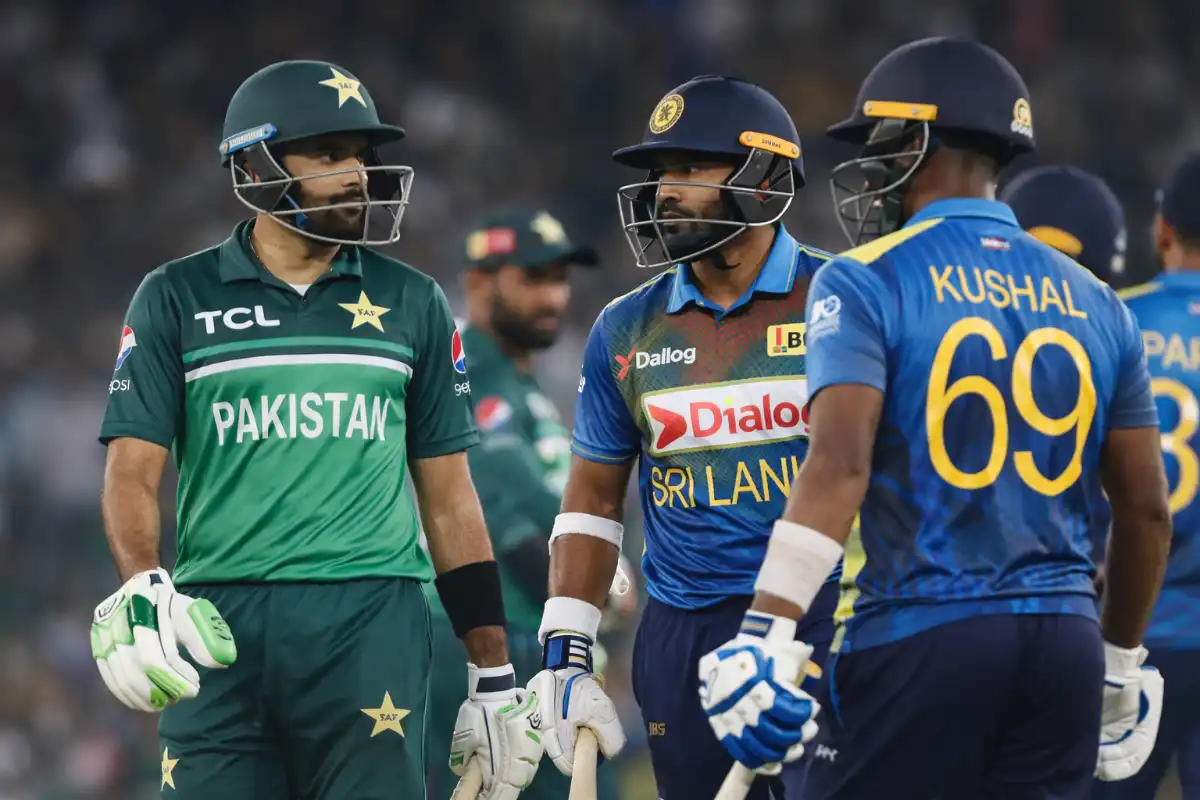

Sri Lanka and Pakistan cricket officials are engaged in urgent discussions after Sri Lanka Cricket asked Pakistan on Thursday to reconsider a reported boycott of its Twenty20 World Cup match against India, according to officials familiar with the matter.
The appeal was made earlier today as the International Cricket Council (ICC) faces mounting pressure to prevent political tensions from disrupting the global tournament, scheduled to begin later this month.
Why Sri Lanka Is Intervening Now
Sri Lanka Cricket (SLC) confirmed it had communicated its concerns directly to the Pakistan Cricket Board (PCB) following reports that Pakistan was weighing a refusal to play India amid unresolved diplomatic and security disputes.
“Cricket has always served as a bridge in South Asia, even during difficult political periods,” said a senior Sri Lanka Cricket official.
We’ve urged all parties to prioritize the integrity of the tournament and the spirit of the game.
The ICC has not publicly confirmed any formal boycott notice, but multiple regional media outlets reported early Thursday that PCB officials were internally debating their options ahead of the high-profile fixture.
What the ICC and Pakistan Are Saying
The Pakistan Cricket Board did not immediately respond to requests for comment. However, an ICC spokesperson acknowledged the situation was being monitored closely.
“According to a statement from the International Cricket Council, the governing body is in contact with all member boards to ensure scheduled matches proceed as planned,” the spokesperson said, without addressing Pakistan directly.
Cricket analysts say even the possibility of a boycott places the tournament at risk. Pakistan and India matches consistently draw some of the highest global television audiences in cricket, with the last men’s T20 World Cup encounter between the rivals attracting an estimated viewers worldwide.
Historical Tensions in Sri Lanka and Pakistan Cricket Relations
Sri Lanka and Pakistan cricket boards have often played quiet diplomatic roles in Asian cricket during times of regional strain. Sri Lanka previously hosted Pakistan’s “home” series between 2009 and 2017 after international teams declined to tour Pakistan due to security concerns.
“Colombo understands what isolation looks like in cricket,” said a South Asian cricket analyst based in London. “That history explains why Sri Lanka is stepping in now rather than staying silent.”
What a Boycott Could Mean for the Tournament
Under ICC tournament regulations, failure to play a scheduled match without approved force majeure can result in points forfeiture, financial penalties, or further disciplinary action.
A senior ICC official, speaking on condition of anonymity because discussions are ongoing, said the organization is working to avoid “any scenario that undermines competitive balance or fan confidence.”
Broadcasters and sponsors are also watching closely. India–Pakistan matches typically account for a significant share of tournament advertising revenue, according to sports marketing firms.
Regional and Fan Reactions
Reactions across South Asia have been swift. Former Sri Lanka captain wrote on social media that cricket should remain “above politics,” while Pakistani fans expressed mixed views, with some supporting a hardline stance and others urging PCB to play.
“There’s frustration, but also fatigue,” said a cricket journalist in Lahore. “Fans want to see cricket, not another standoff.”
What Happens Next
Sri Lanka Cricket officials said they expect further dialogue with both the PCB and the ICC over the next 24 to 48 hours, a window that could prove decisive.
“This is a developing story,” the SLC official said.
We hope cooler heads prevail.
The ICC is expected to issue an updated statement before the weekend as teams finalize travel and match preparations.