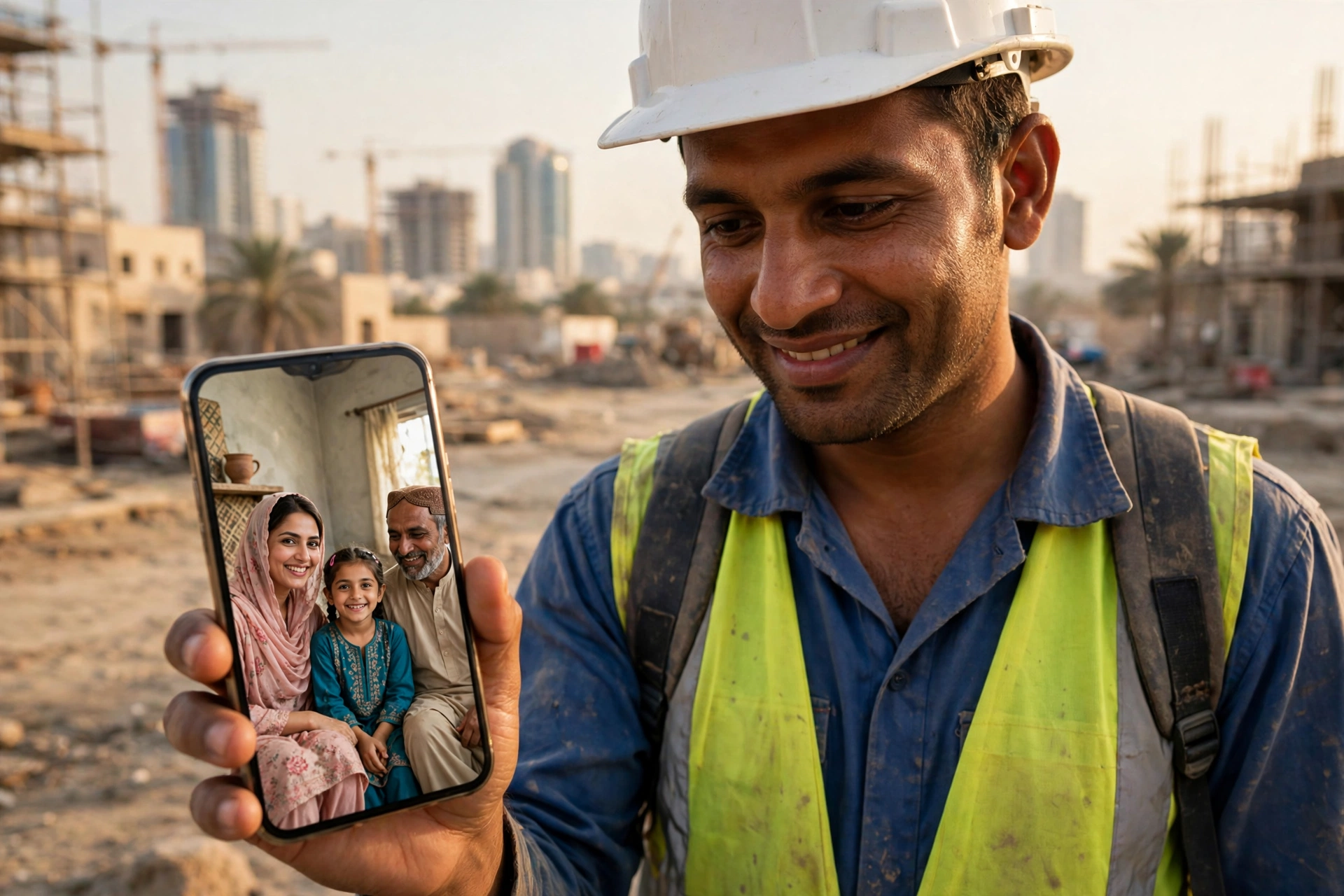

Pakistan received $10.9 billion in workers remittances during the first quarter of the current financial year, as money sent home by overseas Pakistanis rose strongly despite a small dip in September. Data released by the State Bank of Pakistan on Friday showed inflows for July to September were about 14 percent higher than the $9.5 billion recorded in the same period a year earlier. The quarterly increase keeps the country on track toward the government annual target of $44 billion for FY27 and underlines how central remittances remain to the external account. For readers tracking the value of those inflows at home, the USD to PKR exchange rate today page is updated with the latest interbank and open market rates.
September inflows ease slightly on a monthly basis
In September alone, overseas Pakistanis sent home $3.6 billion. That figure was 12.7 percent higher than September last year, when inflows stood near $3.2 billion, but it was 1.9 percent lower than the roughly $3.7 billion received in August. Analysts say a single monthly dip does not change the broader trend, because the first quarter as a whole still delivered double digit growth. The State Bank figures are watched closely each month because remittances help finance imports, support foreign exchange reserves and provide direct income to millions of households across Punjab, Sindh, Khyber Pakhtunkhwa and other regions.
Saudi Arabia stays the largest source
Saudi Arabia remained the biggest source country in September, with inflows of $899.13 million. That amount was almost 20 percent higher than a year earlier and also rose about 3 percent compared with August. The United Arab Emirates ranked second at $748.53 million, up around 10 percent year on year but broadly flat against the previous month. The United Kingdom sent $515.15 million in September, a rise of about 13 percent from last year, while the United States contributed $305.87 million, also higher than a year ago. European Union countries together accounted for $447.71 million in the month, lower than in August.
Quarterly picture by country
For the full July to September quarter, Saudi Arabia contributed $2.686 billion, growing about 16 percent. The United Kingdom recorded the fastest growth among the major sources, with quarterly inflows climbing 19.4 percent to $1.643 billion. The UAE provided $2.23 billion in the quarter, up 12.6 percent, while EU countries sent $1.4 billion, an increase of 9.8 percent. Other Gulf Cooperation Council countries excluding Saudi Arabia and the UAE added about $1 billion, up 11.7 percent. The spread shows that growth was not limited to one corridor, with almost every major destination recording higher inflows in the quarter.
Why the numbers matter for the economy
Remittances now regularly exceed export earnings and are one of the most stable sources of foreign exchange for Pakistan. They help the central bank manage reserves, support the rupee and reduce pressure on the current account. The latest quarterly strength comes as the government works through its International Monetary Fund programme, and readers can follow the background in our coverage of the Pakistan IMF staff-level agreement for $1.21 billion. At the household level, the money pays for food, school fees, health care, housing and small businesses, which is why even small changes in monthly inflows are felt quickly in local markets.
Outlook for the rest of the year
The government will need steady monthly inflows above $3.5 billion to stay close to the $44 billion annual target. Much will depend on employment conditions for Pakistani workers in the Gulf, exchange rate stability at home and continued use of formal banking channels instead of informal transfers. The State Bank publishes the country wise breakdown every month, and the next release will show whether the September monthly dip was a one off or the start of a slower trend. More updates are available under Pakistan business and economy news, and households comparing daily costs can also check the petrol price in Pakistan today for October 10.