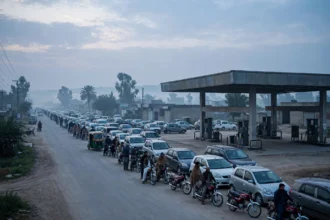
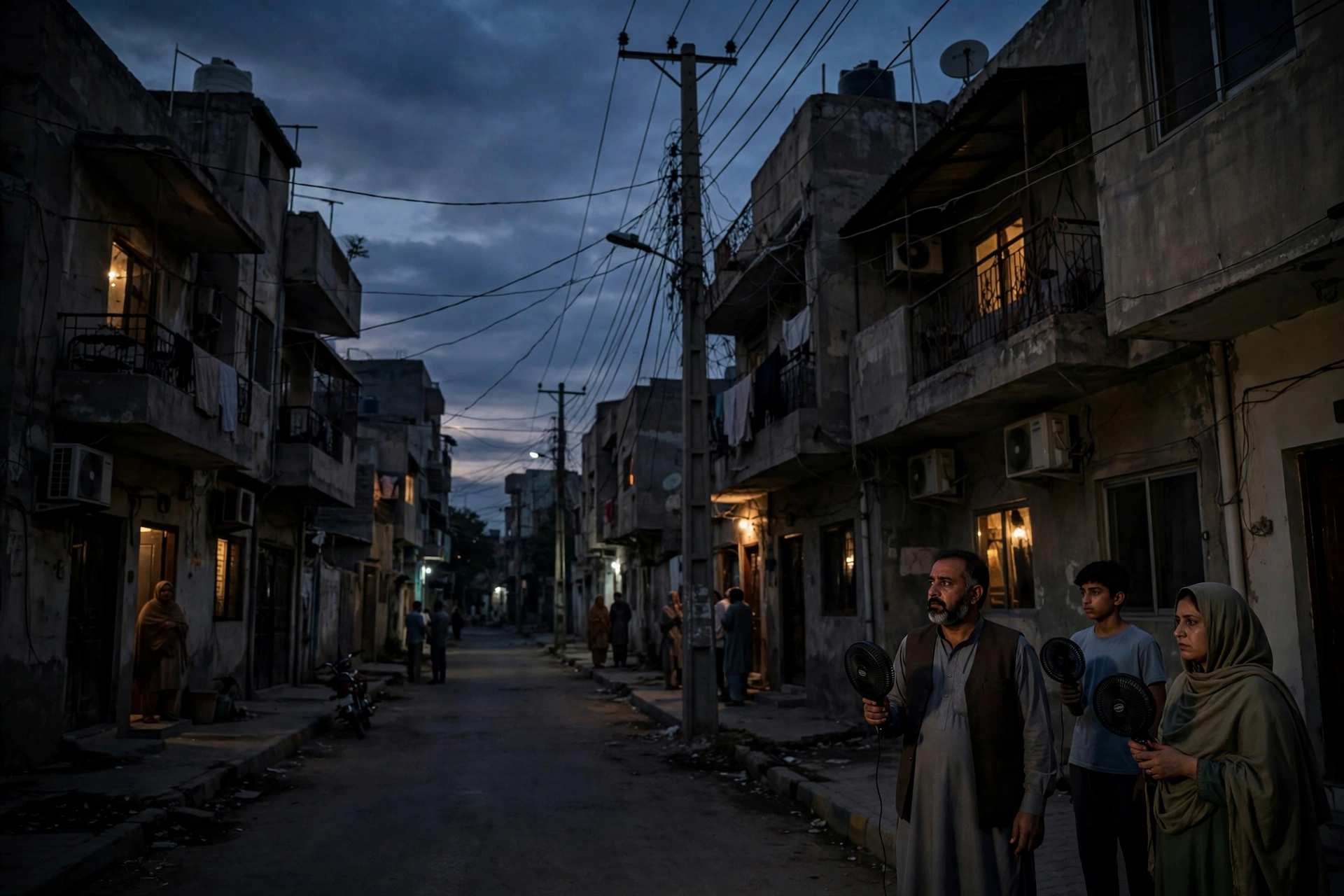

Karachi households that usually escape scheduled outages faced power cuts on Friday as a countrywide shortage of re gasified liquefied natural gas tightened electricity generation and forced K Electric to warn of load management during evening and night peak hours. The utility described any such cuts as an extreme and last resort step, said daytime supply would stay largely stable, and apologised to consumers while it coordinates with Pakistan LNG Limited and other authorities to restore normal supplies.
What changed for exempt areas on Friday
The sharpest change was felt in neighbourhoods normally kept outside routine load shedding schedules. Reports from Friday described outages ranging from one to three hours in those localities during morning hours and again around the evening peak and late at night. Areas that were already receiving scheduled electricity suspensions also saw their outage durations lengthen as the fuel constraint persisted through the day.
For families, the timing matters more than the headline. Evening and night are when homes need fans, lights, water pumps and mobile phone charging after a full working day. Even a short interruption at that point disrupts cooking, study, sleep and small home businesses, while shopkeepers in residential markets lose the busiest trading hours of the day.
Why a gas cargo delay reaches your light switch
Part of the electricity supplied in the city is produced in gas fired plants that depend on a steady flow of imported liquefied natural gas after it is converted back into gas form, known as RLNG. When cargo arrivals are delayed and international supply routes are disrupted, plant operators receive less fuel than planned and must reduce output or rely on costlier alternatives. K Electric said the current constraint is nationwide rather than limited to Karachi, which means generation shortfalls are being felt across the wider power system at the same time.
The company stressed that load management would be used only if demand during peak hours could not be met from available generation. In plain terms, engineers compare expected evening demand with the megawatts actually on hand, and any gap has to be closed either by bringing extra supply from elsewhere or by temporarily switching off selected feeders in rotation.
What to expect over the next few evenings
Both updates from the utility point to the same near term pattern: relatively steadier supply during daytime, with the highest risk concentrated in the evening and night peak. No fixed timetable for the rotating cuts was published alongside the warning, so individual localities may learn of an interruption only when it begins. Readers comparing energy costs this weekend can check the petrol price in Pakistan today for October 10 alongside their electricity planning, since generator fuel has become the fallback for many small businesses when mains power drops.
Households can reduce the impact with a few practical steps. Charge phones, rechargeable fans and emergency lights before sunset. Keep refrigerator doors closed during an outage to preserve food for longer, and avoid running heavy appliances all at once when power returns because the sudden load can trip local protection switches. Residents who depend on medical equipment at home should keep backup batteries ready and note the nearest hospital or clinic that runs on uninterrupted supply.
Relief, billing and business questions
Traders say the new risk arrives at a difficult moment, just as many families are reviewing monthly budgets that already include fuel and transport costs. You can follow the wider relief picture in our report on how Pakistan fuel subsidy beneficiaries passed 10 million, and track currency pressure that feeds into import bills through today’s USD to PKR exchange rate in Pakistan. Neither measure directly fixes a gas cargo delay, but together they show why energy managers are under pressure to keep both prices and supply stable at once.
For now, K Electric says teams remain in close contact with the gas supplier and relevant authorities and are making every effort toward early normalisation. Until cargo flows improve, the safest assumption for Karachi is to plan evenings as if a short interruption could occur, while expecting daytime electricity to remain largely stable. Further verified updates will be added to our Pakistan business and economy news coverage as soon as the utility publishes a confirmed schedule or announces that the RLNG constraint has eased.