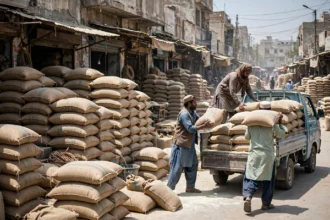
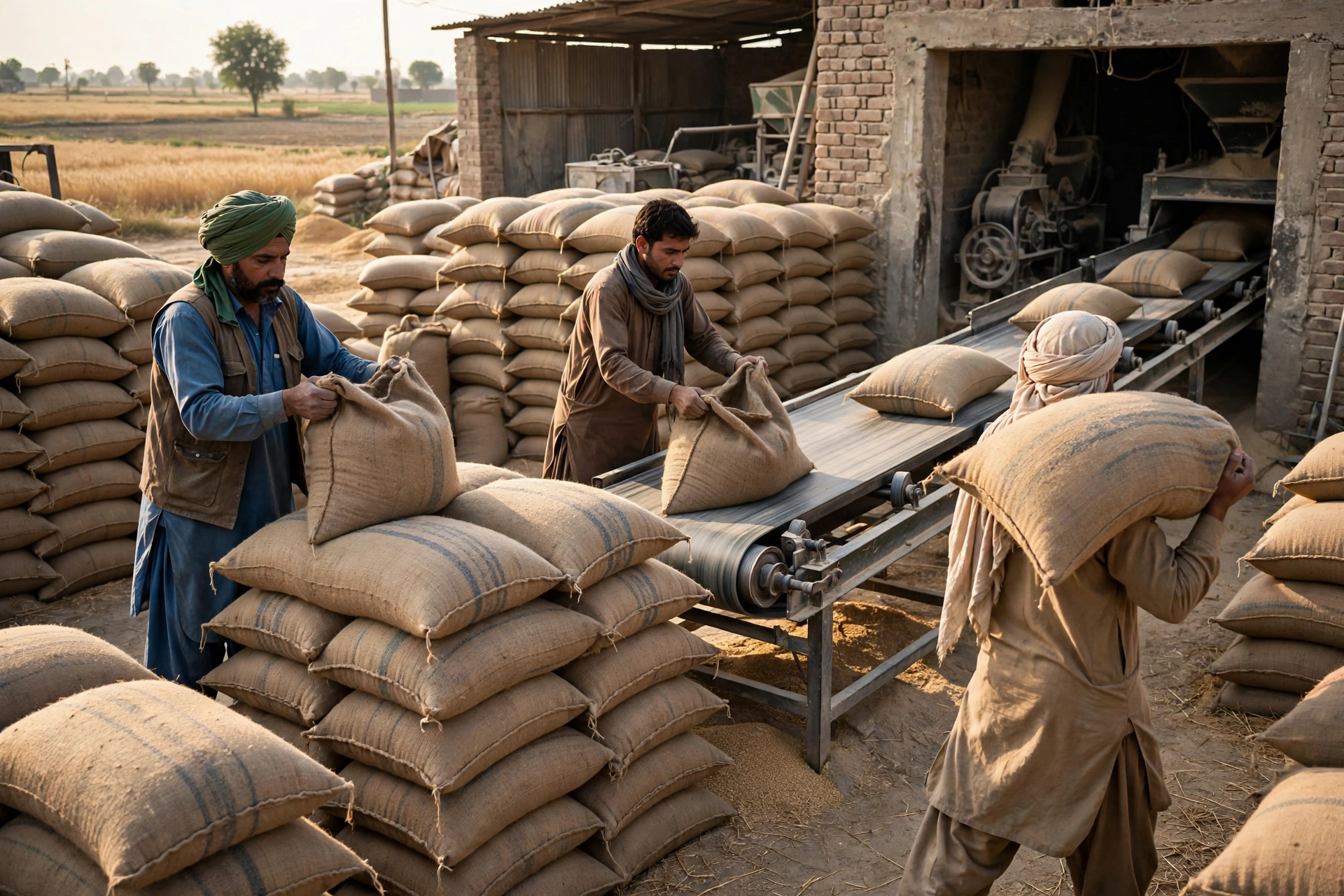

Punjab Chief Minister Maryam Nawaz Sharif on Saturday, October 10, 2026 approved a Rs10 billion subsidy to keep flour affordable across the province, after chairing an emergency meeting via video link in Lahore to review rising wheat and flour prices. The meeting decided to increase the quota of subsidised government wheat supplied to flour mills at Rs3,800 per maund, a measure aimed at improving supplies and holding down the price of flour and roti for households.
What the Punjab government decided
The chief minister expressed strong displeasure over the recent increase in flour and wheat prices and raised concern over what she described as an artificial rise in the market. She directed the relevant authorities to ensure that affordable flour and wheat remain available to the public under all circumstances, and warned that negligence in providing relief would not be tolerated.
Government wheat is currently supplied to mills at Rs3,800 per maund, with one maund equal to about 40 kilograms. By increasing that quota, the province expects mills to grind more subsidised wheat and release more flour into the market at controlled rates instead of relying fully on expensive open market grain. Maryam Nawaz said the burden of inflation on the people of Punjab was deeply painful, that all available resources would be used to ensure the supply of cheap flour and bread, and that the provision of subsidised flour and affordable roti would continue.
Why flour prices have been rising
The decision follows several days of sharp increases in the wheat market. Market reports from Punjab this week put open market wheat at around Rs5,200 per 40 kilograms, well above the subsidised government rate of Rs3,800 per maund. That gap of about Rs1,400 per maund is the core pressure on flour prices, because mills buying most of their grain in the open market pass the higher cost on to buyers.
Flour mill representatives have linked the rise to reduced government wheat supplies. Punjab mills have recently been receiving about 3,500 tonnes of government wheat against an estimated daily demand of 15,000 to 20,000 tonnes, and millers say delays of more than two weeks in the release of subsidised quotas forced many of them to buy open market wheat at about Rs5,200 per 40 kilograms while advance payments remained tied up with the authorities.
The effect is visible in retail markets. A 15 kilogram flour bag in Punjab is now selling at around Rs2,300, and mills have raised rates by as much as Rs20 per kilogram in recent days, pushing up tandoor roti prices as well.
How the subsidy is meant to help
The Rs10 billion subsidy supports the supply of government wheat to mills at the lower Rs3,800 per maund rate, while the increased quota is intended to raise the share of subsidised grain in total flour production. The more wheat mills receive at the government rate, the less they need to buy at open market rates near Rs5,200, and the easier it becomes to sell flour at the officially expected prices.
Much will now depend on how quickly the increased quota reaches mills in each district and whether district administrations enforce the notified flour rates at retail level. Consumers will judge the measure by two practical tests in the coming days: whether subsidised flour bags stay available in local markets, and whether the 15 kilogram bag starts moving down from around Rs2,300.
A wider food price problem beyond Punjab
Punjab is not the only province dealing with expensive flour this month. In Sindh, the same price pressure has already pushed Karachi flour prices and the Sindh wheat release into focus, where a subsidised wheat release has been prepared to cool the market from October 15. At the national level, Pakistan food price monitoring after the NPMC inflation review has also singled out wheat flour as a concern for households.
Imported wheat expected in the coming weeks could ease supply if it arrives on schedule, and its final cost in rupees will depend on global prices and the USD to PKR exchange rate today. Until supplies improve, provincial subsidies and wheat releases remain the main tools governments are using to protect buyers of the most basic food item in the country.
What to watch next
The next signal will come from the Punjab Food Department: the size of the increased mill quota, the pace of release, and the notified rates shops must charge. If releases rise quickly, Punjab flour prices should stabilise and then ease; if they stay slow, the relief will take longer to reach the shelf. PakMirror will continue tracking flour and wheat in its latest prices in Pakistan coverage.