
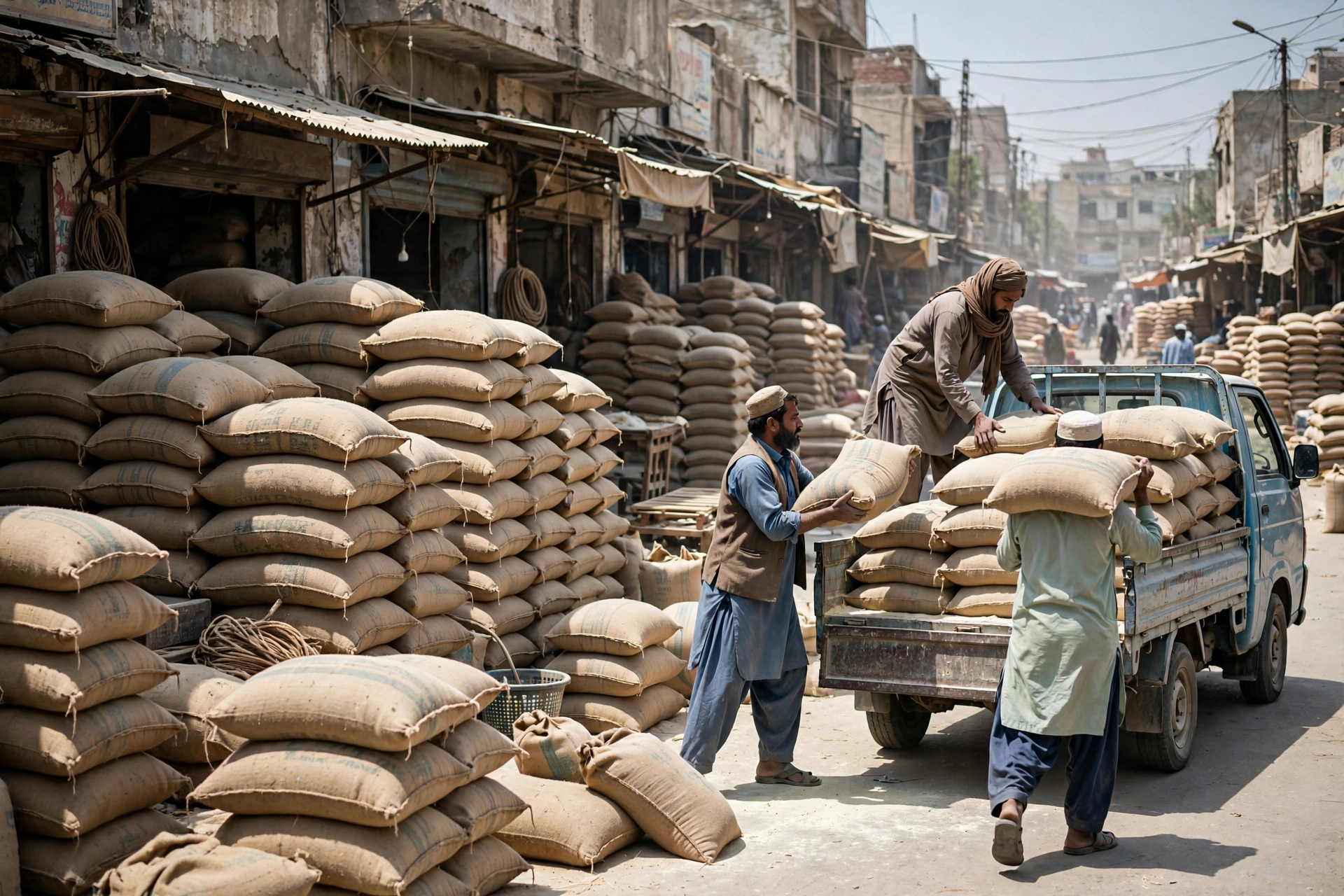

Flour prices in Karachi have climbed again, with mills raising rates by about Rs20 per kilogram over the past few days, adding fresh pressure on household food budgets in the city. The increase has come as open market wheat prices reached Rs14,500 per 100 kilograms, and retailers are expected to pass the higher mill rates on to consumers in the coming days.
The latest rise means shoppers who were already adjusting to higher fuel and grocery costs now face a more expensive staple. Flour is bought by almost every household in Karachi, whether as loose flour for home use or through bakeries and hotels, so even a few rupees per kilogram quickly changes monthly spending for families that buy in small daily or weekly quantities.
What Karachi buyers are paying now
Reports from the wholesale market put regular flour at about Rs155 per kilogram, maida at Rs167 and fine flour at up to Rs180 per kilogram. Retail rates are higher, with regular flour reported at about Rs170 per kilogram, fine flour at Rs200 and chakki flour at Rs210 per kilogram. Traders said mill supplies had been held back for several days before the increase, which left many shops short of stock and made the new rates harder for retailers to absorb.
The pattern behind the increase is visible in the wheat market. With open market wheat at Rs14,500 per 100 kilograms, the input cost for flour has risen well above the rate at which the Sindh government plans to release its own stocks. Imported wheat is expected to arrive by November, so the market is pricing flour on tight current supplies rather than on the relief that may come later. Readers tracking other daily costs can also check the petrol price in Pakistan today for October 9, which affects the transport cost of moving grain and flour across the city.
Sindh government wheat release starts October 15
The Sindh government has approved the release of government wheat to flour mills at a subsidised rate of Rs12,500 per 100 kilogram bag from October 15. Chief Minister Syed Murad Ali Shah approved the plan at a meeting on the province wheat stocks and directed the Food Department to monitor market trends so the benefit of cheaper government wheat reaches consumers through stable or lower flour prices.
Officials told the meeting that Sindh currently holds 346,414 tonnes of wheat in government stocks. Another 190,000 tonnes will be procured from the Pakistan Agricultural Storage and Services Corporation, while 300,000 tonnes of imported wheat will be added, taking the total quantity available for release to 836,414 tonnes. Karachi itself currently has 135,948 tonnes of wheat, a figure expected to rise to 565,948 tonnes once the PASSCO and imported stocks arrive. More coverage of provincial and national economic decisions appears in our Pakistan business and economy news section.
Why the gap between wheat and retail flour matters
The key test is not only whether government wheat reaches mills from October 15, but whether the difference between the subsidised wheat rate and current open market prices shows up at retail counters. The government rate of Rs12,500 per 100 kilograms sits well below the open market level of Rs14,500, so mills receiving subsidised wheat should be able to produce flour at a lower cost than mills buying entirely in the open market.
Because imported wheat is priced in dollars, the exchange rate also shapes the final cost of the imported share of supplies. Households comparing the wider cost picture can check the USD to PKR exchange rate today alongside food prices, since a weaker rupee raises the landed cost of imported grain even before milling and transport charges are added.
What happens next for consumers
For now, Karachi consumers face the higher rates while the subsidised release is still days away. If the October 15 release moves quickly to mills and the Food Department enforces the condition that the benefit must reach buyers, retail flour rates should steady or ease in the second half of October. If releases are slow or monitoring is weak, retailers may keep charging the higher rates even after cheaper wheat enters the system.
The coming week will therefore show whether the Sindh government intervention can close the gap between wholesale and retail prices. Until then, the confirmed position is that flour in Karachi has become about Rs20 per kilogram more expensive in a matter of days, and families can follow further notified rates in the latest prices in Pakistan section as the wheat release begins.