
The federal government has ordered provincial and district administrations across Pakistan to step up monitoring of food prices, market supplies and transport fares after the National Price Monitoring Committee reviewed the latest inflation data and found persistent pressure on essential commodities, particularly wheat flour. Planning and Development Minister Ahsan Iqbal chaired the meeting in Islamabad and directed officials to act against hoarding, profiteering and unjustified price increases in major markets.
The committee was told that consumer price inflation stood at 10.3 percent year on year in September 2026, down from 11.1 percent in August, while average inflation for July to September of the current fiscal year was 10.2 percent. Wholesale price inflation was higher at 13.3 percent year on year, and weekly inflation measured by the Sensitive Price Indicator rose 11.53 percent year on year in the week ended October 1. Officials said the biggest annual increases were recorded in onions, liquefied petroleum gas, electricity, diesel, petrol and wheat flour, with chicken, garlic, gram pulse and LPG also posting notable weekly rises.
What the price monitoring committee directed
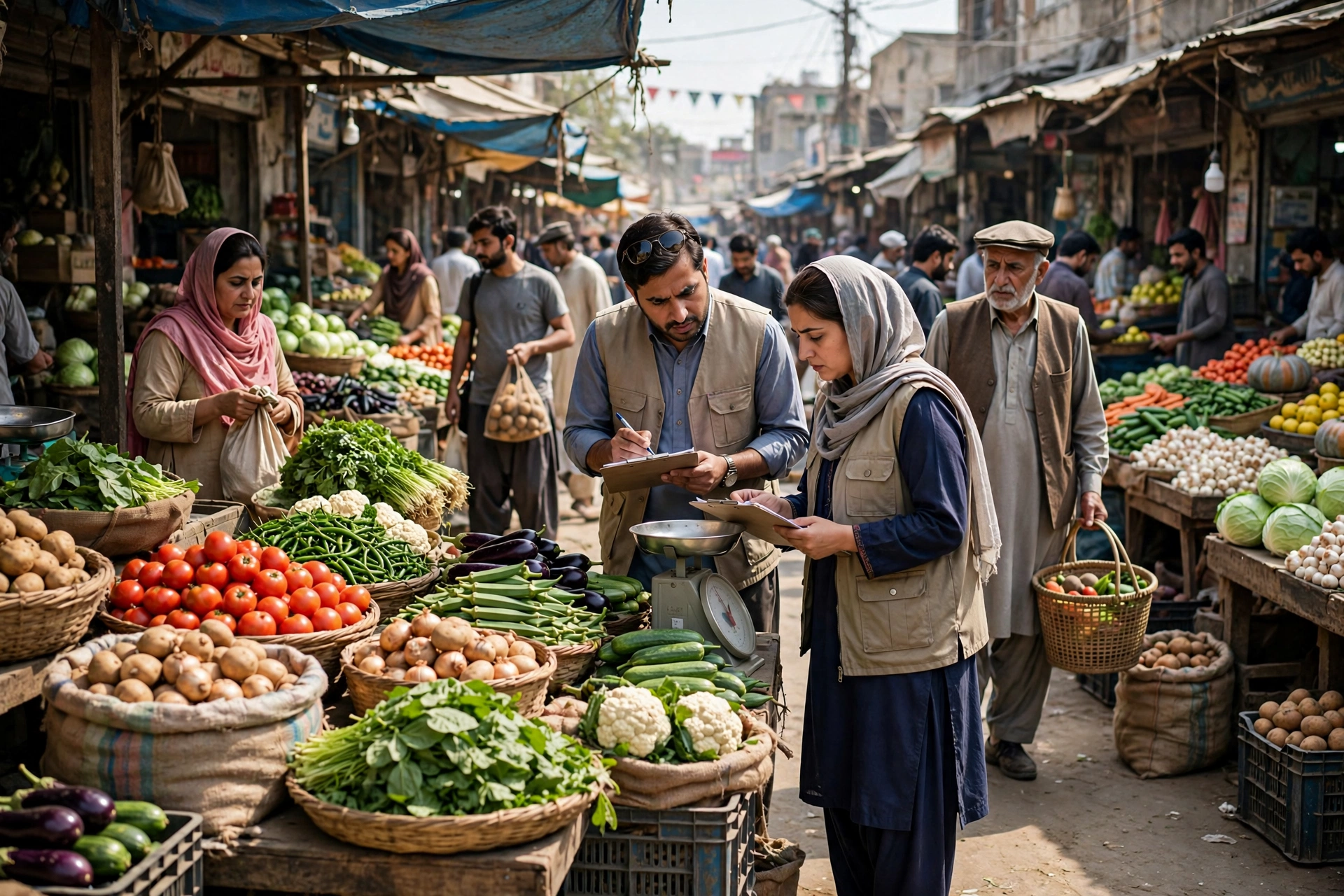
Ahsan Iqbal expressed serious concern over the rising cost of essential items and told provincial governments to closely watch wholesale and retail prices and take enforcement action where the gap between the two could not be justified, particularly in large markets such as Lahore and Karachi. District administrations were asked to monitor market arrivals and supplies so shortages do not turn into sudden price spikes.
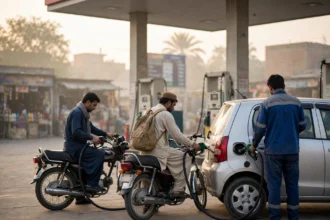
The minister also directed authorities to compare current transport fares with the fares charged after the previous fuel price increase. The comparison is meant to show whether transport operators have raised fares by more than the actual increase in fuel costs, and whether that extra burden is being passed on to food prices through higher distribution charges. Officials were told to keep a close watch on supply chains and distribution costs to prevent a disproportionate pass through of fuel prices into essential food items.
Readers tracking household costs can also follow our coverage of Karachi flour prices rising as Sindh prepares a subsidised wheat release, which looks at the same wheat flour pressure from the provincial side.
Why wheat flour and fuel costs are linked
Wheat flour has stayed at the centre of the inflation discussion because it affects almost every household budget and reacts quickly to changes in wheat supply, milling costs and transport charges. When diesel and petrol become more expensive, moving wheat from producing areas to mills and then flour to shops costs more, and traders often adjust retail prices faster than official rates change. That is why the committee linked flour monitoring with transport fare checks in the same meeting.
The latest fuel revision also matters for families planning daily travel and transport. Our update on the petrol price in Pakistan today for October 9 explains the current rates that are feeding into transport and distribution costs across the country. For anyone converting costs or planning imports, the USD to PKR exchange rate today remains a key reference as well.
DAP fertiliser and food quality checks
The meeting did not only discuss retail prices. Ahsan Iqbal told the Ministry of National Food Security and Research to examine why DAP fertiliser prices remain high in Pakistan even though international prices have declined. He said the benefit of lower global prices should reach farmers in the domestic market, because fertiliser costs shape the next crop and eventually food prices in shops.
He also directed that an inspection and quality assessment report on ghee, edible oil and milk products be submitted within one week. If the industry has proposed third party validation for those products, the cost of that validation should be borne by the industry and not by the government, he said. The instruction signals that the government wants both price and quality checks tightened at the same time, instead of treating them as separate issues.
What shoppers and traders should expect next
Provincial governments are now expected to increase market inspections, compare wholesale and retail rates more frequently and report enforcement action where unjustified gaps are found. Traders who can show genuine higher transport or supply costs will be treated differently from those raising prices without a basis, according to the direction given in the meeting, but the committee made clear that hoarding and profiteering will not be tolerated.
For households, the immediate impact will depend on how quickly district teams act in local markets and whether transport fares are adjusted after the comparison exercise is completed. The next weekly inflation reading will show whether flour and other essentials are still climbing or whether monitoring is starting to slow the increase. Follow our Pakistan business and economy news for further updates on inflation, fuel prices and government action.