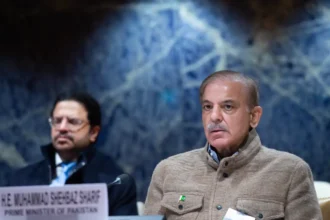


Pakistan observed the 21st National Resilience Day on Thursday, October 8, commemorating the victims of the devastating earthquake that struck on October 8, 2005 and paying tribute to the survivors, rescuers and communities who rebuilt the affected areas. President Asif Ali Zardari and Prime Minister Shehbaz Sharif issued separate messages calling for a stronger national focus on preparedness and climate resilient development.
National Resilience Day is observed every year on October 8 to remember the 2005 earthquake, which caused widespread destruction in Azad Jammu and Kashmir, Khyber Pakhtunkhwa and other areas and claimed tens of thousands of lives. The day is intended both as a memorial and as a public reminder of the importance of preparedness, coordinated emergency response and stronger infrastructure.
Messages from the president and prime minister
Prime Minister Shehbaz Sharif paid tribute to those who lost their lives in the 2005 disaster and recalled the collective response of the nation at the time. He said Pakistan was among the countries most vulnerable to the impacts of climate change despite its minimal contribution to global greenhouse gas emissions, and pointed to recurring floods, earthquakes, landslides, forest fires, pandemics and smog as continuing tests of the country’s capacity.
He said the government was committed to shifting from reacting to disasters after they occur toward anticipating risks and preparing in advance, including through the use of advanced technology and data driven early warning systems by the National Disaster Management Authority. He also emphasised coordination among provincial governments, state institutions, the private sector and civil society.
President Zardari described the day as a solemn occasion to remember those who died and to honour survivors who rebuilt their lives. He thanked the international community for its solidarity and assistance after the 2005 earthquake and paid tribute to the media, charitable organisations and volunteers who assisted affected communities alongside public institutions. He said the most meaningful tribute to the victims was to turn the lessons of the disaster into measures that better protect lives and communities in the future.
Why October 8 still matters
The 2005 earthquake remains Pakistan’s defining modern disaster memory. The destruction across northern areas reshaped how the country organises disaster response, leading to the institutional structures, including the national and provincial disaster management authorities, through which later emergencies such as major floods have been handled. That same preparedness focus runs through our coverage of Pakistan weather patterns and thunderstorm risks.
Both leaders linked that institutional history to present climate risks. Their messages treated resilience as a shared responsibility involving state institutions, communities and citizens, rather than a task for rescue agencies alone. Scientific research, accurate data and modern technology were highlighted as requirements for better risk assessment and early planning that can reduce loss of life and protect infrastructure and livelihoods. Readers in rain affected districts can also check the Pakistan rain and weather alerts for northern areas for current advisories.
Preparedness as the theme
The consistent theme across Thursday’s messages was prevention. Moving from reaction to anticipation means identifying risks before an emergency, maintaining early warning systems that reach communities in time, and building infrastructure that can withstand the hazards it is likely to face. Those priorities apply equally to earthquake zones in the north and to flood prone districts that have faced repeated climate driven flooding. On the same day, diplomatic attention also turned to the Vatican envoy Archbishop Gallagher visit to Pakistan.
No new funding announcements or policy decisions were attached to this year’s observance in the messages reported on Thursday. The day’s significance is commemorative and directional: a national date on which the 2005 victims are remembered and the preparedness agenda for the next emergency is publicly restated by the head of state and the head of government on the same day. For broader context, see our latest national news stories from Pakistan.