
Karachi police have registered a narcotics case against Azad Jakhrani, the brother of Pakistan Peoples Party (PPP) MNA Aijaz Jakhrani, after allegedly recovering cocaine and crystal methamphetamine, commonly known as ice, from the family’s bungalow in the Khayaban-e-Seher area. But between what the police claim and what is actually proven lies a wide gap: the entire case rests on the statement of a single arrested suspect, Azad was not present during the raid, he has not been arrested, and nothing has been established in court. The raid has also set off a political storm, with a sitting PPP lawmaker demanding an inquiry into a police force run by his own party’s Sindh government, while the chairperson of the provincial assembly’s home affairs committee has sought a report from the Sindh police chief.
What the FIR alleges
According to police, the sequence began when officers on routine patrol stopped a suspicious motorcyclist near the Clock Tower area. A search of the rider allegedly led to the recovery of 18 boxes of cocaine (62 grammes) and 41 packets of ice (106 grammes).
The FIR, registered at Karachi’s Darakhshan Police Station on behalf of the state under anti-narcotics laws, states that the arrested suspect told investigators the drugs belonged to Azad Jakhrani. The suspect also allegedly claimed that Jakhrani operated a drug business from his bungalow and that more narcotics were stored inside.
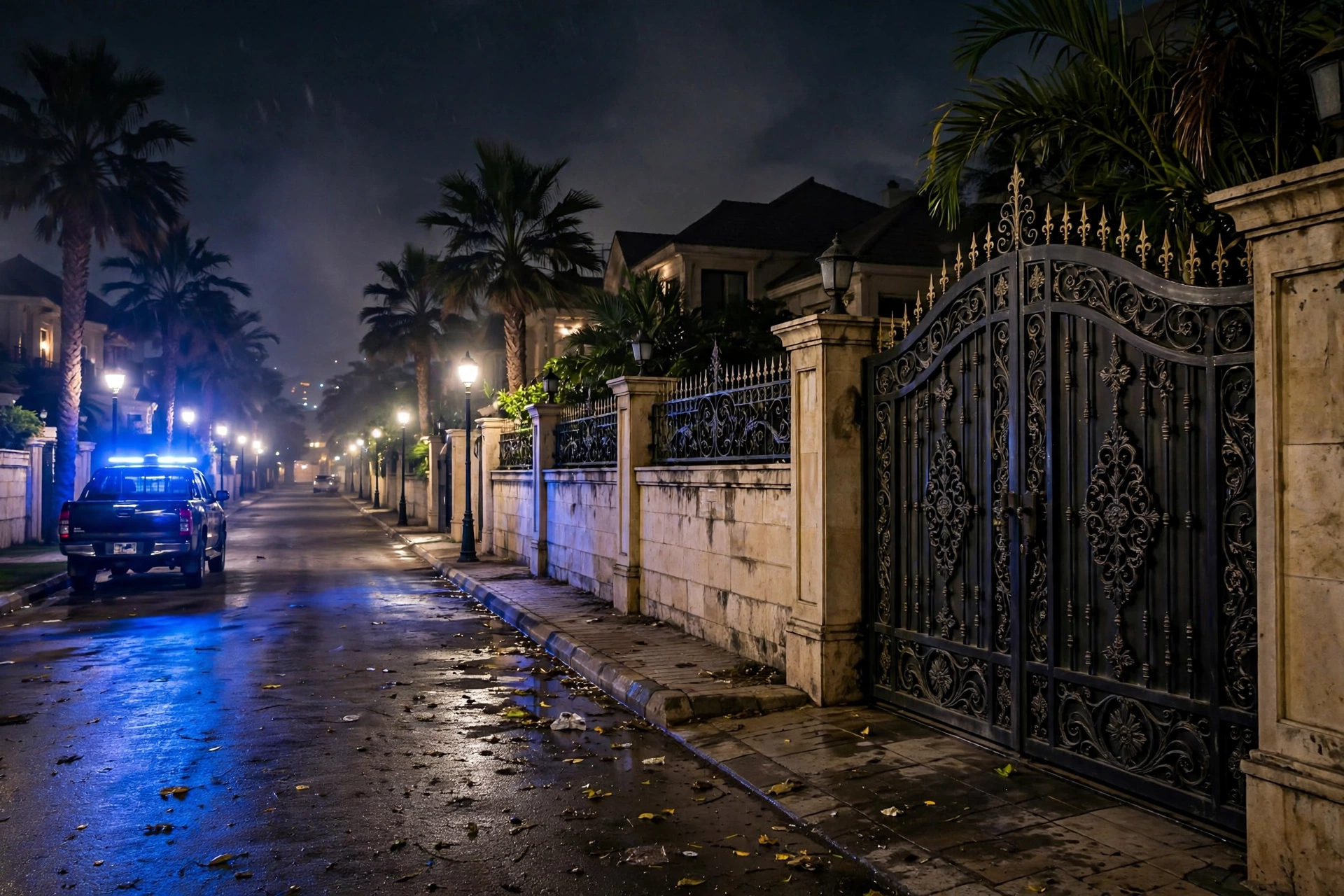
Acting on the suspect’s identification, a police team took him to the bungalow in Khayaban-e-Seher. Officers said the suspect pointed to a wooden cupboard, and a search allegedly recovered shopping bags bearing a supermarket logo with several packets of ice, along with 32 additional boxes of cocaine. A digital weighing scale was also seized. Police said the ice from the cupboard weighed more than one kilogramme and the additional cocaine 22 grammes. The bungalow’s watchman told investigators the owner was living abroad, according to the police account.
What is actually established
It is important to separate allegation from fact. What is confirmed is that police stopped a motorcyclist, recovered drugs from him, raided a bungalow on his identification, recovered more drugs from a cupboard, and registered a case. Everything beyond that, including the central claim that the drugs belonged to Azad Jakhrani, rests on the police account and the statement of one suspect in custody.
Azad Jakhrani was not present during the raid and has not been arrested. The only information about his whereabouts is the watchman’s secondhand statement to police that he was out of the country. No court has examined the evidence, and nothing against him has been proven. The FIR was filed on behalf of the state, and sources describe it as carrying four provisions of anti-narcotics laws without naming them, so the specific charges are not specified in the published reports.
The political fallout
The strongest reaction came from the family itself. MNA Aijaz Jakhrani said police had raided the family home under the cover of darkness, acting on the identification of a suspect in police custody. He alleged that officers had violated the sanctity of the home during the operation. The lawmaker said he had already distanced himself from his brother but maintained that the property was their family home.
Jakhrani said he had informed Sindh Home Minister Ziaul Hassan Lanjar and Inspector General of Police Javed Alam Odho about the incident, and called for an inquiry into the raid and action against any officials found responsible for wrongdoing.
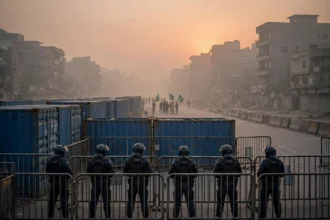
That demand found an echo at the top of the province’s home affairs oversight. Faryal Talpur, the chairperson of the Sindh Assembly’s Standing Committee on Home Affairs, has sought a report from the Sindh police chief establishing the circumstances surrounding the raid. She said the sanctity of the home must be respected and that injustice against any citizen would not be tolerated. The raid took place in a city where police are already operating under strict public-order restrictions, with Section 144 banning rallies and public gatherings across Sindh until October 20.
The political edge of the episode is hard to miss: a sitting PPP MNA is publicly challenging the conduct of a police force controlled by his own party’s provincial government, and a PPP leader heading the home affairs committee is summoning the police chief for an explanation. Neither the Sindh police chief’s report nor any inquiry has been confirmed as ordered so far.
What happens next
Whatever the investigation finds, the case will move through a justice system in which, according to a recent prisons report that found three in four Pakistani inmates are awaiting trial, the presumption of innocence carries heavy practical weight. For more, see PakMirror’s latest Pakistan politics coverage.