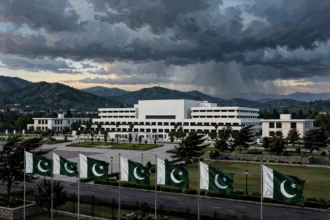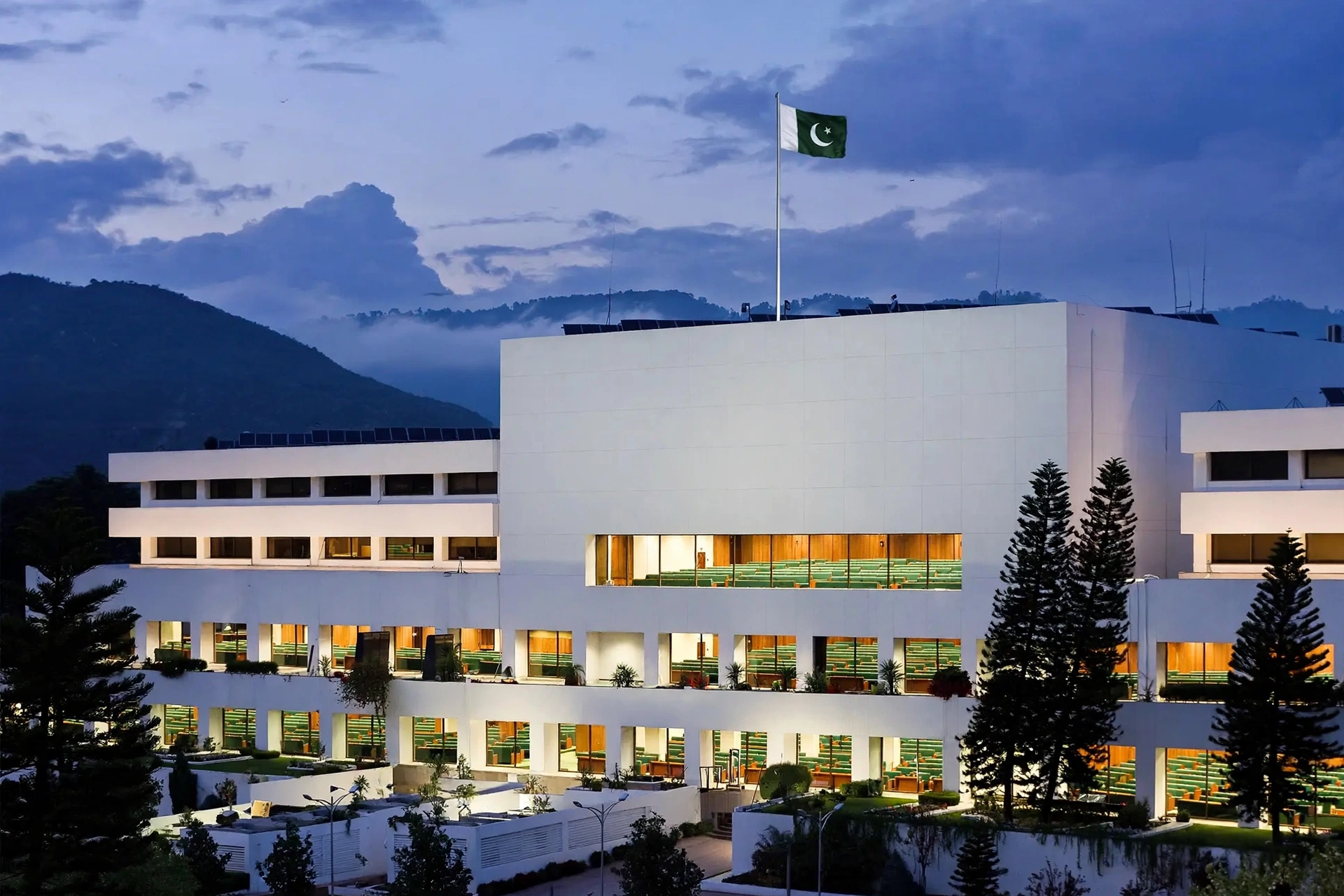

Parliament’s joint sitting on Thursday gave the federal government’s Khyber Pakhtunkhwa gamble its constitutional seal, ratifying the emergency proclamation by 240 votes to 46 and endorsing governor’s rule under Article 234. The numbers told their own story: a procedural motion earlier in the sitting passed 214 to 56, which means 26 more members backed the emergency itself than had voted to even take it up. The session, chaired by National Assembly Speaker Sardar Ayaz Sadiq, opened on a sombre note and closed with the opposition’s biggest question still hanging in the air: where is Sohail Afridi?
Three votes, one direction
Parliamentary Affairs Minister Tariq Fazal Chaudhry set the tone at the outset, moving a motion under Rule 232 of the Parliament (Joint Sitting) Rules 1973 to suspend certain sub-rules so the sitting could take up the two resolutions. Opposition members chanted “emergency na manzoor” as the Speaker ordered a standing headcount. The motion was adopted 214 to 56.
Chaudhry then moved two resolutions before the House: one approving the Proclamation of Emergency under Article 232, and the second the proclamation of governor’s rule under Article 234. The emergency resolution was adopted 240 to 46, and the sitting also endorsed the governor’s rule resolution, completing the constitutional loop that began with the emergency proclamation President Asif Ali Zardari issued on October 11 under Articles 232 and 234.
The arithmetic is worth a second look. The emergency resolution drew 26 more votes in favour than the procedural motion that opened the door for it, and 10 fewer against. By the time the main vote came, more members were in their seats and the government’s majority was visibly wider than it had been an hour earlier.
The government’s case
Law Minister Azam Nazeer Tarar opened the debate, telling the House that a special mechanism had been put in place to run KP’s affairs during the emergency and governor’s rule, an arrangement overseen in part by the federal monitoring committee headed by Deputy Prime Minister Ishaq Dar. He said the PTI-led provincial government, now non-functional, had been advised repeatedly to act against terrorism, and lamented that PTI leaders had not attended the funerals of martyrs killed in terrorist attacks.
Tarar walked the House through the constitutional arithmetic: the emergency resolution could be rejected only by a total majority, meaning 51 per cent of the total membership, and the governor’s rule resolution needed the same threshold for approval. He argued that governor’s rule under Article 234 was available precisely when a provincial government could not be run in accordance with the Constitution, and that the Centre had reached for it as a last resort.
The opposition’s counter
Opposition Leader Mehmood Khan Achakzai blamed what he called the faulty decisions of the country’s rulers for the crisis. He put a question to the House that no treasury member answered on the floor: where is Sohail Afridi, who was taken into preventive custody on October 11 and whose government has been rendered non-functional?
Achakzai compared the KP situation to the 1971 separation of East Pakistan, questioned who had introduced terrorism during the Soviet-Afghan war era, raised the reported deaths during the July unrest in Azad Jammu and Kashmir, and sought meetings of incarcerated PTI founder Imran Khan with his family and party workers. He said the opposition was ready for dialogue on empowering Parliament and eradicating terrorism, offering unconditional support if the government engaged.
PPP Senator Sherry Rehman asked the PTI to define its agenda and its reasons for the long march toward Islamabad, telling the opposition not to dictate to the government or lecture it on patriotism. PTI members carried placards reading “emergency na manzoor” through the proceedings.
A sombre opening
According to UrduPoint, the sitting began with prayers and Fateha for the children killed in the collapse of a private school roof in Peshawar’s Dir Colony earlier in the day, the disaster that has put the province’s new governor’s-rule administration under its first public scrutiny. PTI leader Barrister Gohar told the House that upholding the Constitution inside the chamber and performing their duties without fear or pressure was the members’ foremost responsibility.
What was settled, and what was not
Thursday’s sitting settled the constitutional question. The emergency proclamation of October 11 now carries parliament’s approval, and governor’s rule in KP has the joint sitting’s endorsement to continue with parliament’s backing, subject to the Constitution’s six-month ceiling.
What it did not settle is the human question Achakzai put on the record. The last confirmed word on Afridi is his preventive custody on October 11, and his whereabouts remain unconfirmed. The sitting adjourned with that question unanswered.