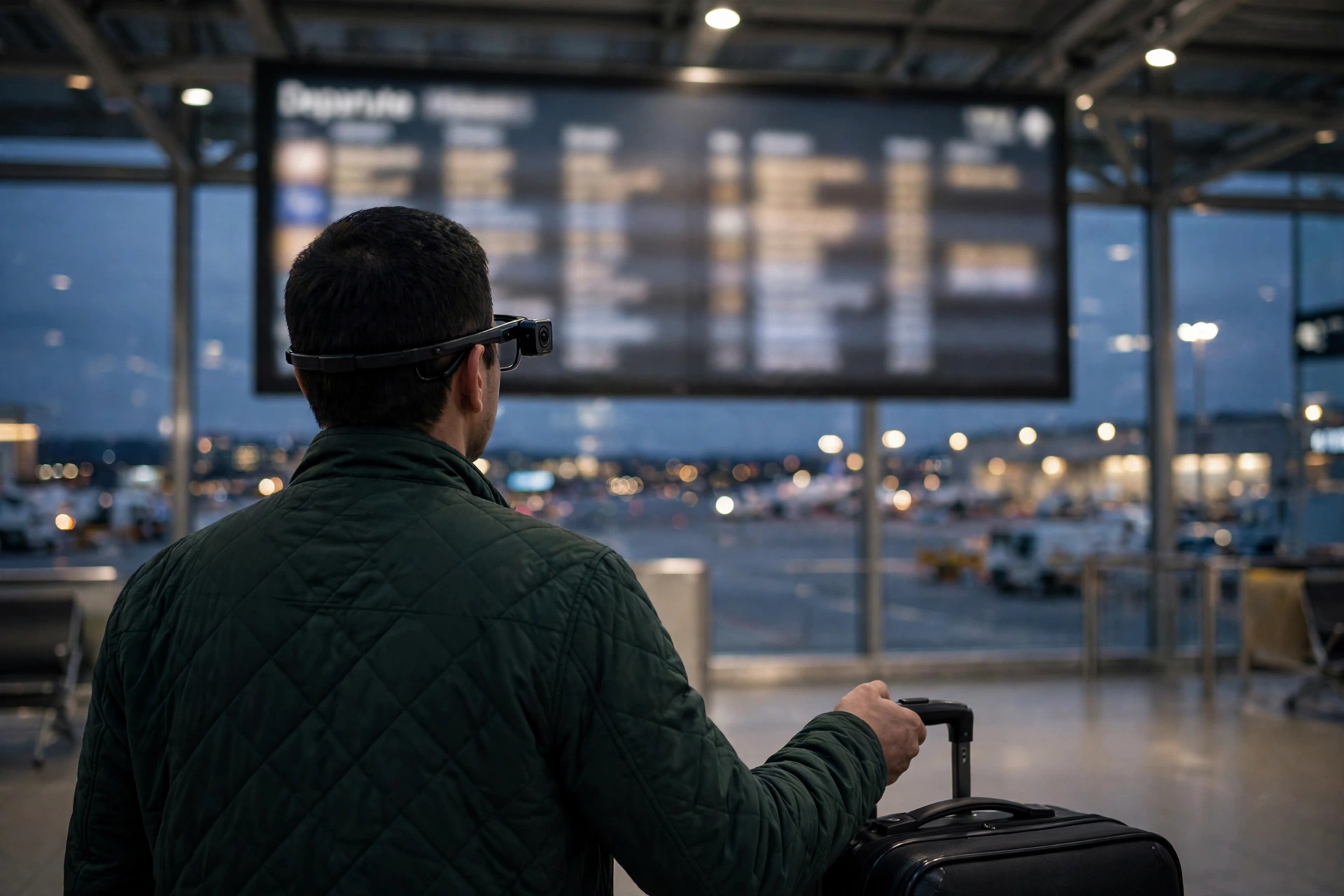

Pakistan has not banned smart glasses. It has taken two different steps, in two different places, and the headlines have merged them into one national ban. On 4 November 2026 the federal Economic Coordination Committee, chaired by Finance Minister Muhammad Aurangzeb, approved restrictions on the import of camera-enabled smart glasses and recommended provinces and the capital territory draw up workplace rules for their use. That is an import decision, not a ban on wearing glasses. The wearing and selling ban in force is a separate, temporary Punjab order. Until the federal notification is published, the description is an import restriction whose scope is still unpublished.
What the ECC actually approved
The committee met at the Finance Division on 4 November and considered 11 agenda items. On a summary from the Commerce Division, it approved restrictions on the import of camera-enabled smart glasses. It did not name Meta or any manufacturer, set an effective date, or say whether imports will stop entirely or be allowed under conditions. It recommended, rather than ordered, that provinces and the capital territory formulate workplace regulations. A recommendation is not a rule, so workplaces have no new federal use rule from this decision alone. Reports calling this a Meta ban go further than the official wording, which covers the whole category, not one brand.
The three step timeline nobody joined up
The federal decision is the third step in a chain begun in court. On 15 October 2026 the Lahore High Court directed the federal government to send a summary on unregulated smart glasses imports and sales to the cabinet. The petition argued that Meta glasses are not officially sold in Pakistan yet are openly available online and in Lahore shops. The next hearing is reported for 12 November. On 20 October, a day after Punjab’s cabinet approved restrictions, the Home Department issued a Section 144 order banning the wearing or operation of hidden-recording smart glasses and disguised miniature cameras, and barring sellers from offering them for sale. Phones, laptops and approved equipment were excluded. The ECC decision on 4 November landed 15 days into Punjab’s 30 day order. Thirty days from 20 October points to about 19 November, but no calendar expiry date is given, so that is arithmetic, not confirmed.
Five gaps between the headline and the decision
First, no brand is named. The description says camera-enabled smart glasses, and the most discussed example is Ray-Ban Meta glasses, but that is not a company-wide ban. Second, no date is published. The ECC account does not say from which day an importer must stop, or under what licence a shipment may still enter. Third, restriction is not yet defined. A full prohibition, a licensing regime, or conditional clearance would hit importers differently, and the ECC account does not choose. Fourth, existing owners are not addressed. The account says nothing about existing owners, whether they may keep, wear outside Punjab, or resell them. Fifth, the workplace rule does not exist yet. The ECC only recommended provinces write one, so outside Punjab there is no new federal workplace rule at all.
Why the import gate matters even though Punjab acted first
Punjab’s order controls one province for 30 days. It cannot control what enters the country. If glasses keep arriving, they keep reaching shops in every province, including Punjab once its order lapses. A notified restriction would choke supply at the border. The reverse is also true. A federal import restriction alone does not stop a device already in the country from being worn, because wearing is a provincial question the ECC only asked provinces to regulate. The two steps fit together only if both are completed: a federal import notification, and provincial workplace rules. Pakistan signing the world’s first digital and AI compact in October shows the same pattern: a federal signature first, detailed rules to follow. Here that rule has not followed yet.
What to watch next
Three tests will settle this decision. The first is the Commerce Division notification: its wording, date, and whether it allows conditional imports or repeats Punjab’s exclusions. The second test is Punjab’s clock. Around 19 November the 30 day order ends unless extended, and the province must choose between letting it lapse, renewing it, or replacing it. A lapse with no federal notification would leave the market where the petition found it. The third test is the Lahore High Court hearing reported for 12 November, plus the workplace rules provinces are now asked to write. For comparison, note the SIM swap fraud case that cost two lawmakers millions, and the e-passport deadline extension and its new fees, where a notification spelled out dates and charges. Smart glasses regulation still has none of those. For more technology news from Pakistan, watch for the document, not the headline.