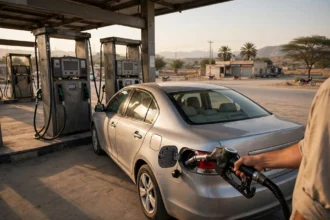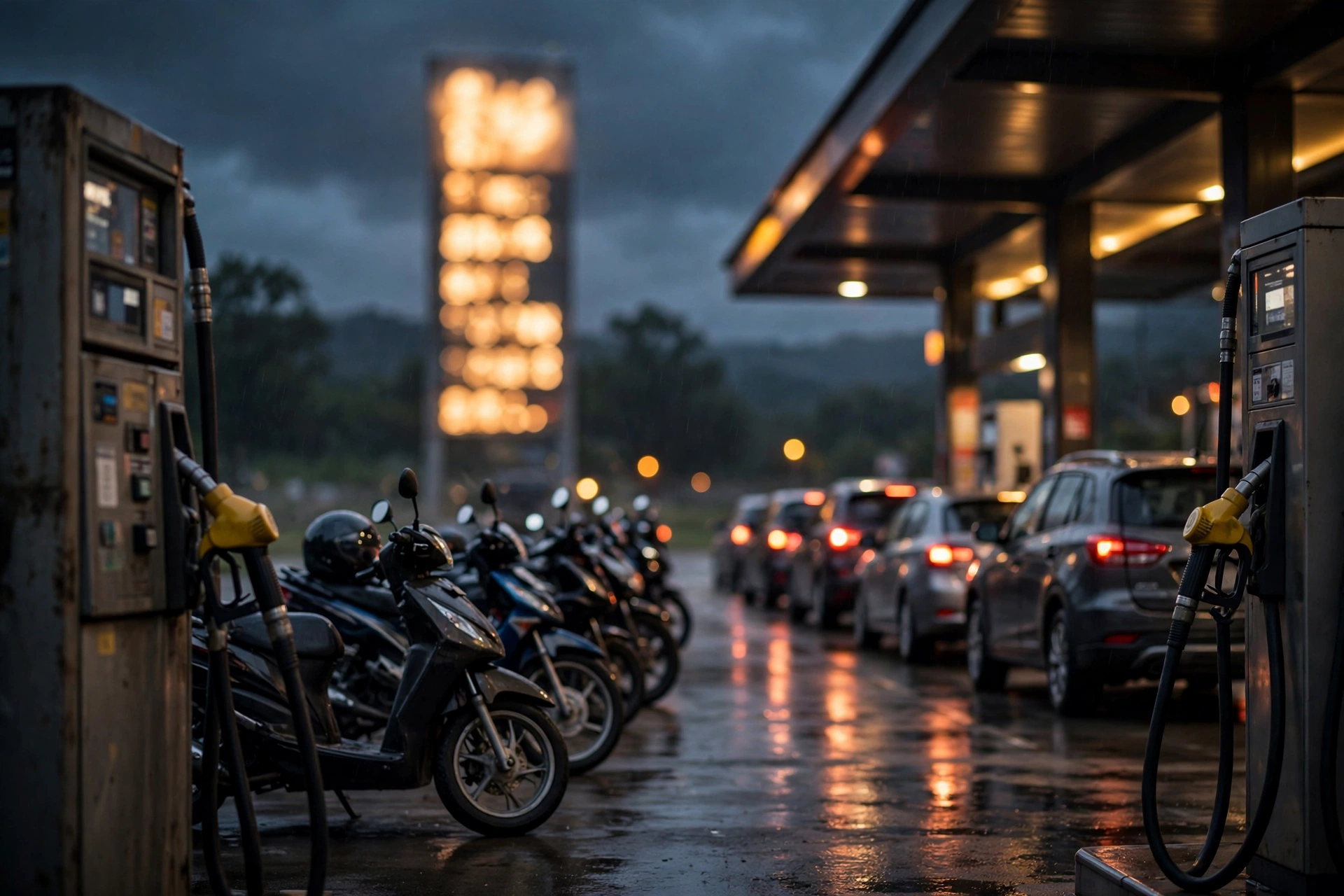

Fuel prices in Pakistan have swung sharply through 2026, and the latest data shows consumers paying the price for a year of relentless revisions and heavy taxation. By October 10, petrol had climbed by Rs145.13 to Rs398.30 a litre while high-speed diesel rose by Rs139.16 to Rs396.24, according to price records cited by the Express Tribune, leaving households grappling with volatility that shows no sign of settling. The petrol price in Pakistan today reflects a daily pricing regime that has changed rates dozens of times since July, with taxes and levies taking a substantial share of every litre sold.
How far prices have climbed this year
The cumulative increase this year is stark. Petrol is up Rs145.13 per litre to Rs398.30, while diesel has risen Rs139.16 to Rs396.24. These are not one-off spikes: under the daily price review mechanism introduced on July 21, petrol prices have been raised 35 times and cut 22 times, while diesel has seen 34 increases and 23 reductions, the Tribune reported. That frequency of adjustment has made it nearly impossible for households and transporters to plan ahead.
For perspective, petroleum prices peaked earlier on April 3, 2026, when petrol touched Rs458.41 a litre and high-speed diesel reached Rs520.35, according to available price records. Prices subsequently moved up and down with market conditions, but the overall trajectory for most of the year has been upward, driven by a mix of global and domestic factors.
Daily pricing means near-daily changes
The government moved from weekly to daily petroleum price reviews on July 17, with OGRA publishing daily ex-depot prices based on the average international market rates of the preceding seven days. Petroleum Minister Ali Pervaiz Malik has said the calculations track international practices, and OGRA now posts daily prices on its website to reflect changes in global markets more promptly.
The most recent notification, effective October 10 to 12, cut petrol by 66 paisas to Rs398.30 a litre while raising diesel by 52 paisas to Rs396.24, with Dunya News reporting that the Petroleum Division cited movements in international Platts benchmarks, premiums and incidental costs. Under the framework, OGRA can revise prices without seeking fresh federal approval each time, though prices notified on Fridays stay unchanged over the weekend.
Taxes and levies: the biggest bite
Beyond global oil prices and import costs, government revenue is a major component of what motorists pay. Official figures show petroleum levy collections of approximately Rs1.205 trillion between July 2025 and March 2026, rising to around Rs1.342 trillion between July 2025 and April 2026. The Express Tribune cautions that these cover different periods within the fiscal year and should not be read as calendar-year totals.
For the current fiscal year 2026-27, the government has set a petroleum levy collection target of approximately Rs1.676 trillion, a budget target rather than money collected so far. The final retail price also includes import costs, customs duties and associated expenses, which is why a decline in international crude prices does not necessarily translate into equivalent relief at the pump for domestic consumers. Changes in the USD to PKR exchange rate add another layer, since every depreciation of the rupee pushes up the cost of imported fuel.
Relief attempts so far
The government has tried to shield lower-income consumers. On September 13, Prime Minister Shehbaz Sharif announced a special relief scheme offering Rs100 per litre off petrol for motorcycles, three-wheeler rickshaws and cars with engines up to 800cc. Under the proposal, an estimated 11.8 million beneficiaries would be covered: around 10 million two-wheeler and 800,000 three-wheeler users entitled to relief on 20 litres per month, worth up to Rs2,000 monthly each, plus one million 800cc car users getting relief on 30 litres, worth up to Rs3,000.
Days later, on September 17, the government reintroduced austerity and fuel conservation measures, tightening business operating hours and restricting public events amid the rising prices. Meanwhile, Pakistan’s food price monitoring drive has been tightened as inflation stays in double digits, with fuel costs feeding directly into transport fares and food prices.
What comes next
Analysts cited in the Tribune report point to the same set of pressures for the weeks ahead: fluctuations in international oil prices, tensions in the Middle East, import costs and the rupee’s trajectory. Diesel prices, used by heavy transport, agriculture and logistics, tend to pass through to the price of goods, so the 52-paisa rise in HSD is likely to be felt beyond filling stations.
With the daily pricing mechanism now fully operational and the next revisions due in the coming days, consumers and businesses will be watching global crude movements closely. For now, the burden falls on households whose budgets have absorbed 35 petrol hikes since July. For continuing coverage, see PakMirror’s Pakistan business and economy news.