
The Sindh government has banned rallies, protests, sit-ins and gatherings of five or more people anywhere in the province until October 20, placing the country’s southern province under Section 144 of the Code of Criminal Procedure as security concerns mount following the federal emergency in Khyber Pakhtunkhwa. The move extends a nationwide pattern of precautionary restrictions, coming a day after Islamabad was placed on high alert and Section 144 was imposed in the federal capital.
What the Ban Covers
Karachi Commissioner Syed Hasan Naqvi issued the notification imposing Section 144 across the city for ten days, from October 11 to October 20. Under the order, holding, organising, convening, facilitating or participating in protests, demonstrations, sit-ins, rallies, processions or other public gatherings involving more than five people is prohibited throughout the specified period.
The commissioner directed the relevant authorities to ensure strict implementation of the ban, and police have been instructed to enforce the restrictions and take action against anyone found violating the order.
Why the Order Was Issued
According to the official notification, the decision followed reports from the Sindh Home Department and police officials that demonstrations and sit-ins on major roads, intersections and roundabouts were causing severe traffic congestion, disrupting daily life and raising security concerns.
The notification stated that road blockages could hamper the movement of emergency services and restrict access to hospitals. It added that such disruptions could also affect public and commercial activities and create law and order concerns, making the restrictions necessary and expedient to avert any possible untoward incident, maintain public peace and tranquillity, safeguard the lives and property of citizens and keep essential services running without interruption.
Part of a Wider Security Clampdown
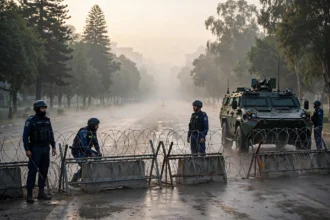
The Sindh restrictions are part of a broader security response unfolding across the country. Islamabad was placed on high alert a day earlier, with Section 144 also imposed in the federal capital following the emergency in Khyber Pakhtunkhwa. Separately, Section 144 has been imposed in Rawalpindi and Murree for one month, from October 10 to November 8, where public gatherings, rallies, processions and sit-ins stand banned alongside restrictions on carrying weapons, double riding and loudspeakers.
The clampdown follows the federal cabinet’s decision to impose an emergency in Khyber Pakhtunkhwa. President Asif Ali Zardari imposed an emergency in Khyber Pakhtunkhwa under Articles 232 and 234 of the Constitution on October 11, suspending the PTI-led provincial government. On Monday, Governor Faisal Karim Kundi convened the first meeting of the KP Apex Committee as an 11-member advisory council took charge of the province’s administration.
What Section 144 Means for Residents
Section 144 of the Code of Criminal Procedure empowers local authorities to impose temporary restrictions on public gatherings and certain activities to maintain public order. While in force, residents can be stopped from assembling in groups larger than five, and police can disperse prohibited gatherings and register cases against violators.
For daily life in Karachi and the rest of Sindh, the practical effect is that planned marches, rallies and protest gatherings are off the table until October 20 unless the authorities revise the order. Commercial activity, schools and essential services continue to operate normally, and the restrictions target public assemblies rather than movement or business.
What Happens Next
The ban remains in force until October 20 unless the authorities revise or extend it. With the KP emergency, the Islamabad high alert and now the Sindh-wide restrictions all in place, security agencies are expected to keep a close watch on the situation through the coming days. Any further developments, including possible legal challenges to the emergency itself, will determine whether such precautionary measures stay in place beyond the announced deadlines. Readers can follow PakMirror’s latest national news coverage for updates on the developing situation.