
The Federal Board of Revenue will walk into the Prime Minister’s office today with a presentation that could shape the fiscal year: a sector-by-sector account of a tax gap estimated at more than Rs1 trillion across 18 industries, and a progress report on the faceless tax system and AI-based scrutiny meant to close it. The FBR headquarters stayed open through Sunday to finalise the briefing, sources told Business Recorder, and the prime minister will chair the high-level review meeting himself.
What a trillion-rupee gap actually means
The headline number needs care. In today’s briefing the gap is described as “over one trillion rupees” across 18 sectors. But in a briefing on October 12, the FBR’s own transformation team put the figure at Rs1.6 trillion across the same 18 sectors, according to reporting by Profit. That earlier assessment said those 18 sectors account for about 1.1 percent of GDP, and that enforcement measures over three years generated an additional Rs1.3 trillion.
The International Monetary Fund estimates that production monitoring and digital invoicing could add Rs94 billion in additional revenue in FY27 alone. The direction is clear even if the exact figure is stated differently in different briefings: the FBR believes the biggest leak is not tax rates but underreported production and sales.
The sector map nobody has put in one place
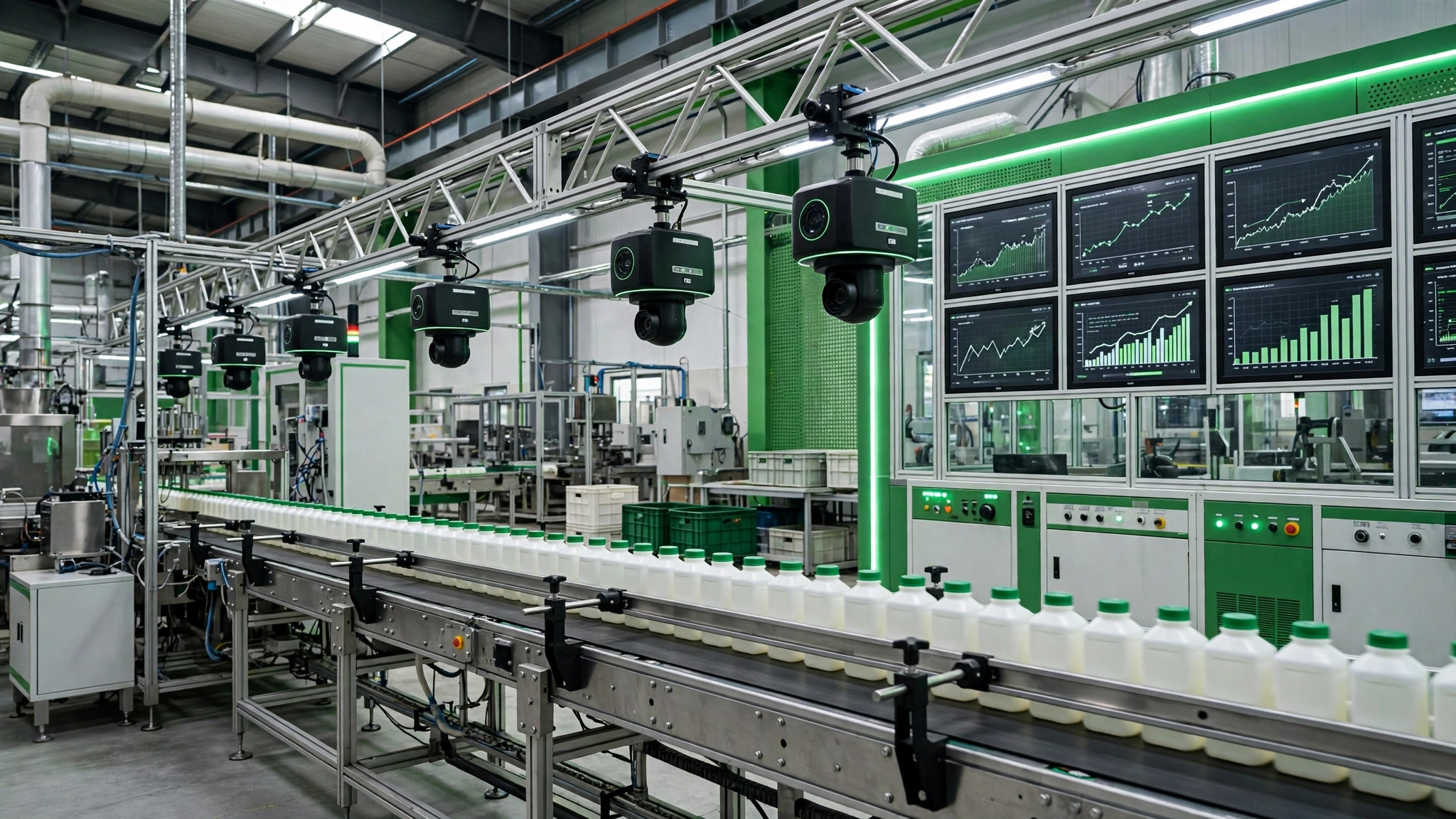
The plan is brutally simple: the FBR cannot verify how much businesses actually produce and sell compared with what they declare. The fix is camera-based digital monitoring of sales and production, which the government wants fully operational across major industries by December 31, 2026. Here is where each sector stands:
- Fully installed (5): sugar, cement, tobacco, tiles and fertilisers.
- Installation underway (4): textiles, packaged water, packaged juice and packaged milk.
- Equipment purchased by October 15 (3): steel, poultry and tyres.
- Equipment purchase due by October 30 (5): tea, household electronics, leather, paper and board, and oil and ghee.
The eighteenth sector sits inside the digital ecosystem initiative also being presented today: a system meant to connect economic activity across the supply chain, from raw materials and imports to final consumer purchases, so the data can support enforcement and identify leakages.
Three things the announcement leaves out
First, the faceless system is expanding well beyond its original home. It started with Customs, then covered GST audit cases through the faceless route, and today’s briefing is about its implementation on the Inland Revenue side, where the biggest assessment decisions sit. Faceless means the taxpayer never deals with a single official face to face, which is meant to cut discretion and contact-based corruption out of assessment.
Second, the prime minister has put the FBR’s own integrity on the agenda. Integrity issues in the board’s field formations are under his notice, per Business Recorder, and the PM Office has asked for comprehensive proposals on staff reforms, revamping and restructuring. This sits alongside the separate proposal for a new tax collection agency discussed last week, so today’s briefing may decide which reform path survives.
Third, there is a technology angle that matters beyond tax. The FBR will brief the prime minister on using AI to analyse returns, and the premier has separately asked the IT ministry to audit the production monitoring system in other sectors. That turns factory cameras into a national data infrastructure project, not just a tax tool.
Why this briefing decides the Rs15.263 trillion question
This year’s Rs15.263 trillion revenue target needs collection to grow over 17 percent, but first-quarter growth was only about 7 percent, and sources expect it to land near 12 percent, a shortfall of more than Rs650 billion.
The base is thin too: of the 19 million national tax number holders, only 6.9 million had filed returns by last Thursday evening, against 8.5 million last tax year. With price pressures already stretching households, which the USD to PKR exchange rate today page tracks daily, the government is betting on technology-driven enforcement rather than new taxes.
What to watch next
Three dates matter. Today’s meeting, where the prime minister is expected to set direction on the restructuring proposals. October 30, the deadline for equipment purchases in the remaining five sectors. And December 31, by which the monitoring systems are supposed to be fully operational across all major industries. Businesses that collect sales tax from consumers but withhold it from the national exchequer have already been warned they will get no concessions.
If the cameras work, Pakistan’s tax debate shifts from how high rates should be to how much of the economy is actually being counted. For more of PakMirror’s coverage of this beat, see our Pakistan business and economy news section.