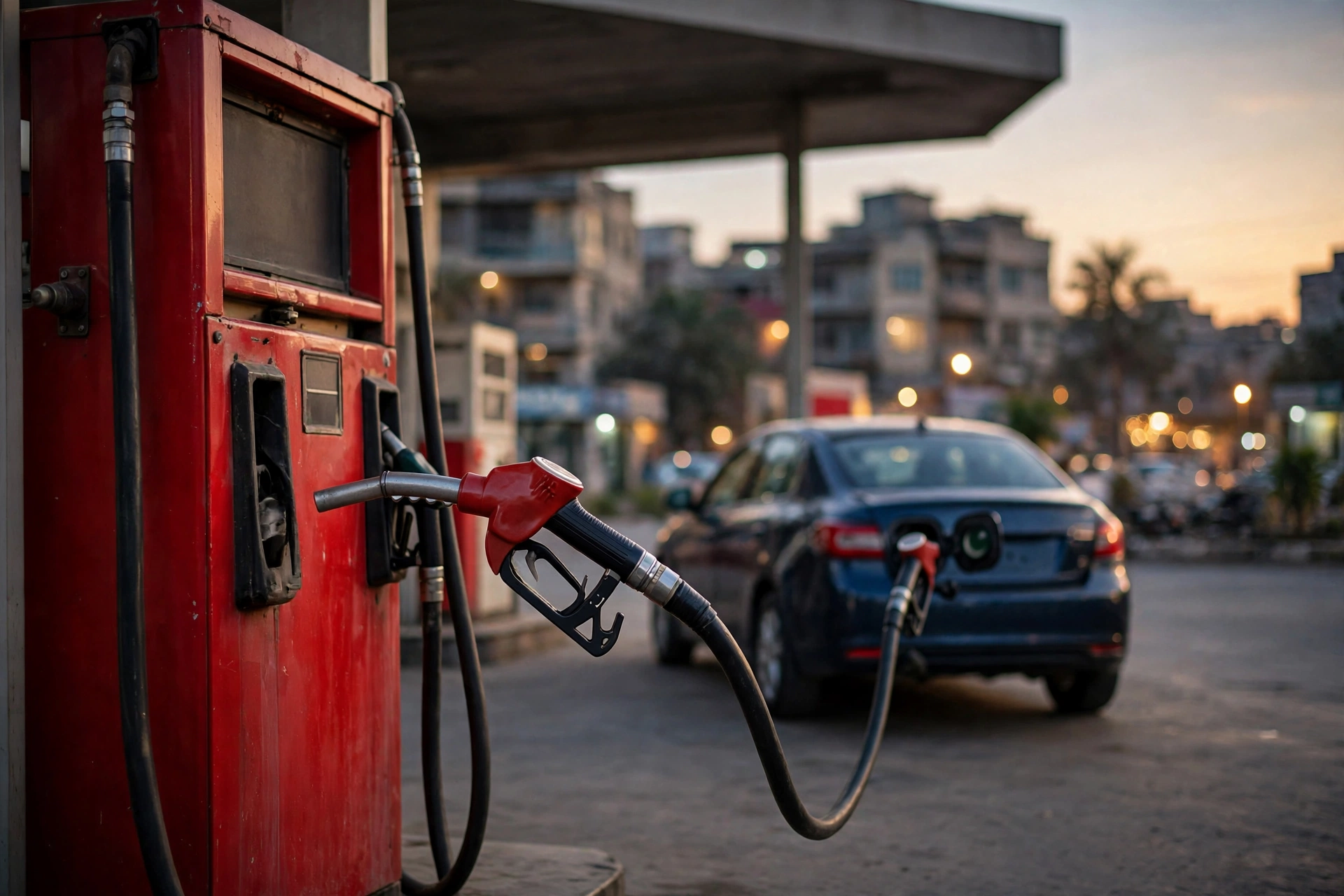

Petrol will sell at Rs322 a litre from today, Thursday 19 November, after the government cut the price by Rs3 in the twelfth straight daily reduction. High-speed diesel falls by the same Rs3 to Rs355 a litre. In nineteen days petrol has dropped Rs55.91 a litre from Rs377.91 on 31 October, the cheapest fuel Pakistan has seen this year, and it has fallen even while a war in the Gulf pushed world oil above 100 dollars a barrel.
Twelve cuts in nineteen days
The run began when the Oil and Gas Regulatory Authority moved to daily pricing on 2 November, passing world prices to the pump each day instead of the old fortnightly announcement. Petrol stood at Rs377.91 a litre on 31 October. It fell to Rs374.51 on 3 November, Rs369.06 on 4 November, Rs362 on 5 November, Rs352.59 on 6 November and Rs346 on 7 November. After holding for four days over the public holiday, it dropped to Rs338 on 11 November, Rs335 on 12 November, Rs332 on 13 November and Rs330 on 14 November. It held for three more days, then fell to Rs328 on 17 November, and petrol fell to Rs325 a litre in the eleventh straight cut on 18 November before today’s cut to Rs322.
Diesel has followed the same path, though not every day. It fell from Rs402.96 on 31 October to Rs355 today, a drop of Rs47.96 a litre, or 11.9 percent. It held unchanged on 14 November, the one day in the run when only petrol moved. Petrol is down 14.8 percent since 31 October. Petrol last sold below Rs330 before August; it stood at Rs331 a litre on 17 August, and the Rs330 mark on 14 November was the lowest price of the year. Today’s Rs322 goes lower still.
What it saves at the pump
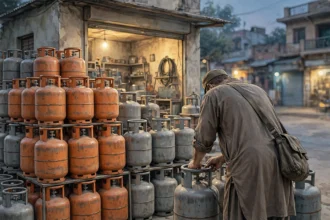
The saving is real money for anyone who drives. A motorist who uses 100 litres a month now pays Rs5,591 less than on 31 October. A 40-litre car tank costs Rs2,236 less to fill. A motorcycle rider filling a smaller tank saves the same 14.8 percent on every litre. Diesel’s Rs47.96 fall matters beyond private cars: it feeds into freight, bus fares and farm costs, since diesel powers the trucks that move goods and the tractors and tube wells that grow them.
Why the pump falls while the Gulf burns
The fall looks odd beside the headlines. The United States destroyed five Iranian tankers on Tuesday night and Iran answered with missile strikes on American bases in Kuwait and Bahrain, and Brent crude jumped above 100 dollars a barrel early on Wednesday. But the spike did not last. Reuters reported Brent at 92.12 dollars a barrel on Thursday morning, after a 1.3 percent fall in the previous session, with American crude stocks up 3.4 million barrels and oil shipments through the Strait of Hormuz back near pre-war levels. Traders now expect a supply surplus, and that expectation has outweighed the war risk.
The pump price follows the slide that came before the war. Brent touched about 118 dollars on 30 October and has traded near 92 dollars since, a fall of about 22 percent. Daily pricing passes that slide through a day at a time, so the twelve cuts are the delayed echo of the late-October collapse, not a reaction to today’s war headlines. The same mechanism cuts both ways: if Brent jumps and stays high, the streak can reverse in a single day.
The tax slice has not moved
None of the relief comes from lower taxes. The government still levies Rs114 a litre in taxes and duties on petrol and Rs100 on diesel, so more than a third of today’s Rs322 pump price is tax. Under an arrangement announced on 2 November, oil refineries are absorbing a cumulative Rs15 billion impact over 30 days to help hold the levy down. Deputy Prime Minister Ishaq Dar credited “proactive measures including policy changes and structural reforms in petroleum policy” for bringing prices down from their peak of Rs458.41 a litre on 3 April. From that peak, petrol is now Rs136.41 a litre cheaper, a fall of 29.8 percent.
What happens next
The next revision is expected tomorrow under the daily mechanism, and the refinery arrangement runs for about two more weeks. Pump relief has not yet reached the shopping basket: weekly inflation still rose 0.29% even as petrol fell four days in a row, with tomatoes up 54 percent, so food prices are moving on their own logic. For now, though, the direction at the pump is clear. Twelve cuts, Rs55.91 cheaper, and the cheapest petrol of the year, delivered while a war rages a thousand kilometres away.
For more, see more business and economy news from Pakistan.