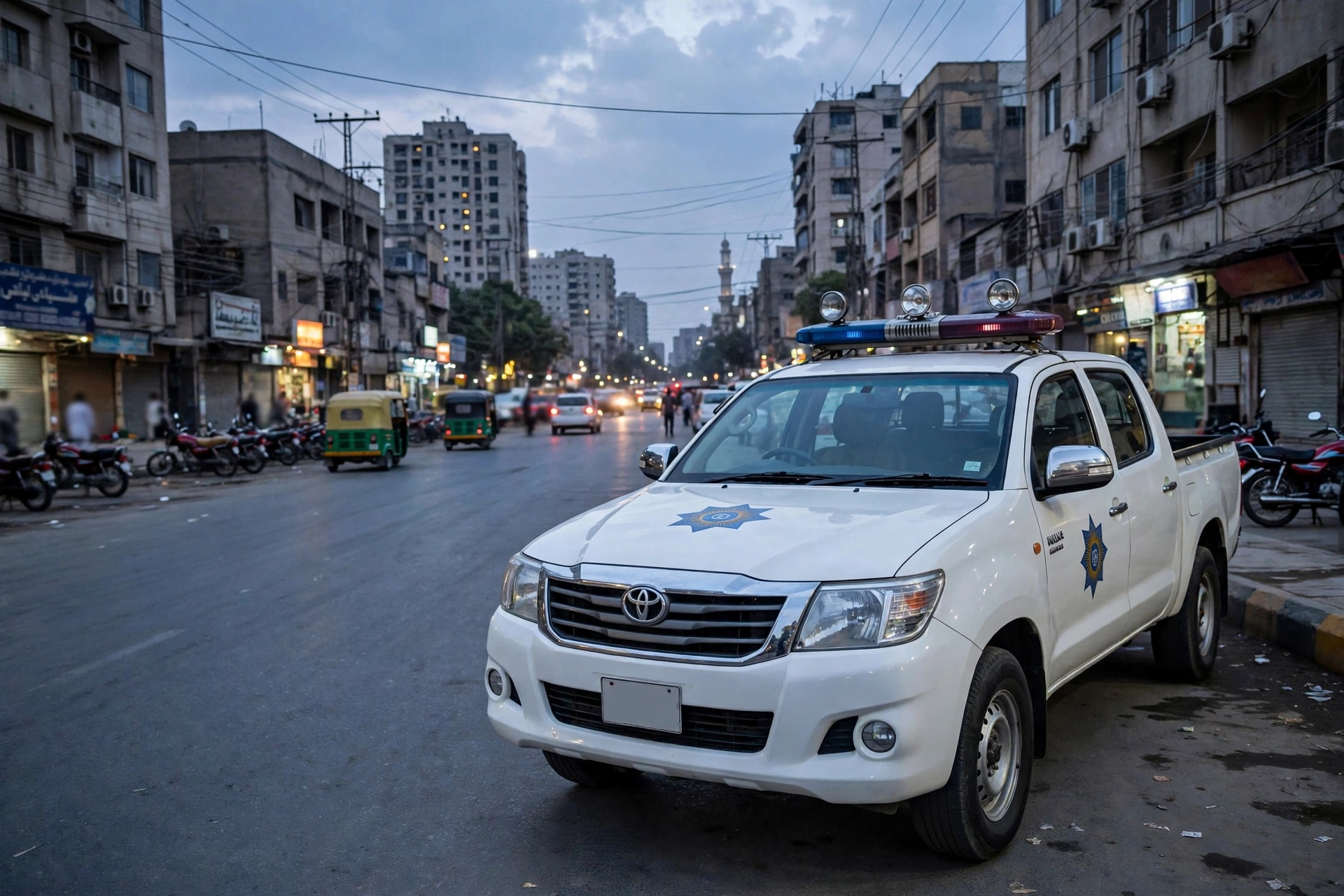

Karachi police recorded 1,437 encounters between 1 January and 25 October 2026, and 197 suspected street criminals were killed in them. Dawn first reported the figures on 8 November: encounters up 71 percent, deaths up 80 percent on the same stretch of last year. The Human Rights Commission of Pakistan calls the deaths extrajudicial killings and has demanded a high-level judicial inquiry. On Monday, the Punjab Assembly opposition decided to take the same question to the floor.
What the Karachi numbers say
The data covers 298 days, close to five encounters a day, about 14 in every 100 ending in a death. The rate barely moved from last year, when 109 suspects were killed in 840 encounters, about 13 in every 100. What changed is the volume: 597 more encounters than the same period in 2025, and 88 more deaths. Suspects wounded rose too, to 1,426 from 849. Police officials maintain all the encounters were genuine and say the department suffered casualties, but the data does not say how many of their own were injured.
The Punjab parallel is far bigger
HRCP chairperson Asad Iqbal Butt called the deaths extrajudicial killings and the practice an ailment that took hold in Punjab Police and has now spread to Karachi. Its fact-finding in Punjab over eight months documented 1,000 suspects killed in alleged encounters. In February 2026 it condemned Punjab’s Crime Control Department for what it called a deliberate policy of staged encounters. It documented at least 670 CCD-led encounters over eight months of 2025 in which 924 suspects were killed while only two police officers died. That is 462 suspects killed for every police officer killed. The HRCP said the imbalance and uniform patterns across districts point to an institutionalised practice, not isolated misconduct. The commission’s rights work this year includes the Human Rights Commission of Pakistan’s findings on minorities. It also documented families pressured to bury the dead immediately, which the HRCP called criminal conduct and an obstruction of justice.
The motion in Lahore
The question now moves to the legislature. In Lahore, PTI MPA Ahmar Bhatti and 15 opposition members will jointly submit an adjournment motion to the Punjab Assembly Secretariat seeking an investigation into CCD encounter deaths and the formation of a judicial commission. The motion puts the 2025 CCD toll at 924, citing the HRCP, and refers to an HRCP committee set up in March 2026. It proposes a commission chaired by the Chief Justice of the Lahore High Court, with a retired inspector general from another province, a senior High Court representative and a human rights expert. It cites Articles 9, 10, 10-A and 14, covering life, arrest safeguards, a fair trial and dignity. Bhatti said a fair investigation was essential.
The other side of the ledger
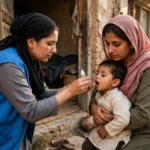
While the police stand accused of killing too freely in encounters, their own officers are being killed in targeted attacks. On Sunday, former station house officer Javed Abro was shot dead outside his home in Gulshan-e-Hadeed Phase III in Karachi, and his wife was wounded. Police sources said the motive is not yet known, and Abro’s brother was also murdered recently, though no link has been established. Sindh Home Minister Ziaul Hassan Lanjar has sought a report from the District Malir police chief. No arrests had been reported. It is the same exposure that killed two police officers guarding polio workers were shot dead in Mohmand earlier this month. Karachi’s police are on both sides of the casualty count: accused of 197 deaths in encounters, and losing their own to gunmen outside their homes.
The number nobody has published
The gap in the data is the story. Karachi police have published how many suspects they killed and wounded, but not how many of their own were hurt in the same 1,437 encounters. Without it, neither claim can be tested against a real number. The same gap sits behind the Punjab figures: 924 suspects dead on one side, two police officers killed on the other. Pressure runs wider than encounters: 97 cases filed against journalists in Pakistan show the law used as pressure. Until the police publish their own casualty figures, the argument will stay where it is now, one side quoting its dead and the other quoting its doubts.
What happens next
Three tests will show whether this becomes an inquiry or another round of statements. First, does the Punjab Assembly admit the motion, and does the government accept a commission chaired by the Lahore High Court chief justice. Second, does Karachi police publish its own casualty figures for the 1,437 encounters. Third, does the Abro investigation produce arrests and a motive, or join the unsolved file. The HRCP has already made its call: an urgent high-level judicial inquiry.