
The reinvestigation of the Hina Javed murder case concluded on Thursday with the Punjab Criminal Investigation Department’s special committee, through team sources, naming domestic worker Zeeshan the prime suspect. A DNA report summary published the next morning showed forensic links to both suspects, the husband and the domestic worker, while the victim’s family rejected the reinvestigation findings, alleged evidence tampering, and demanded a judicial commission.
What the reinvestigation concluded
According to ARY News, the special investigation committee formed by the Punjab government completed its reinvestigation on October 15. Team sources said domestic worker Zeeshan had been named the prime suspect after skin particles were found under the deceased’s fingernails. Both suspects, husband Faisal Asghar and Zeeshan, were questioned more than four times during the reinvestigation, and team sources claimed Zeeshan had allegedly confessed to rape and to strangling Hina Javed with a bedsheet. The team said no innocent person had been named under pressure. The family immediately rejected the findings, alleged evidence tampering, and the committee left for Lahore after concluding its work.
What the DNA report actually says
A DNA report summary published by Geo News on October 16 painted a more complicated picture. According to the summary, Faisal Asghar’s DNA matched at four locations linked to the case, while Zeeshan’s DNA matched material found under the victim’s fingernails. Faisal’s fingerprints were found on the victim’s neck, clothes, the room’s door handle, and a sheet. The report summary was careful to add that these findings do not by themselves establish guilt, leaving both men under suspicion on forensic grounds rather than clearing either one.
How the case got here: the full timeline
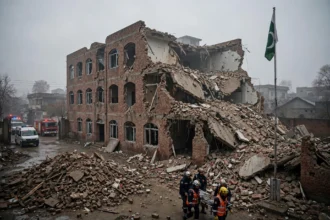
Hina Javed, 45, was found dead in the bathroom of her residence in Askari Apartments in Rawalpindi’s Lal Kurti area on August 20, 2026. Her brother Fahad Javed lodged the FIR at Civil Lines Police Station under Sections 302 and 34 of the Pakistan Penal Code. According to FIR details, her hands were tied behind her back, cloth was stuffed in her mouth, and a wire was tied around her neck. She was also tied to the shower rod, and police believed the scene had been staged to look like a suicide. The post-mortem found a neck-bone fracture, rib and hip injuries, and blood around the heart, though the definitive cause of death was not established.
After the family wrote to the Parliamentary Caucus Committee and the National Commission for Human Rights, the Punjab government on September 30 constituted a three-member committee under AIG CCD Sohail Zafar Chattha, with DIG Lahore Shoaib Khurram Janbaz and SSP Investigation Rawalpindi Saifullah, on the directives of Chief Minister Maryam Nawaz. The committee launched its fresh probe on October 10, visiting the crime scene and reviewing the DNA report, post-mortem findings, the alleged murder weapon, and phone records.
Why the family rejects the findings
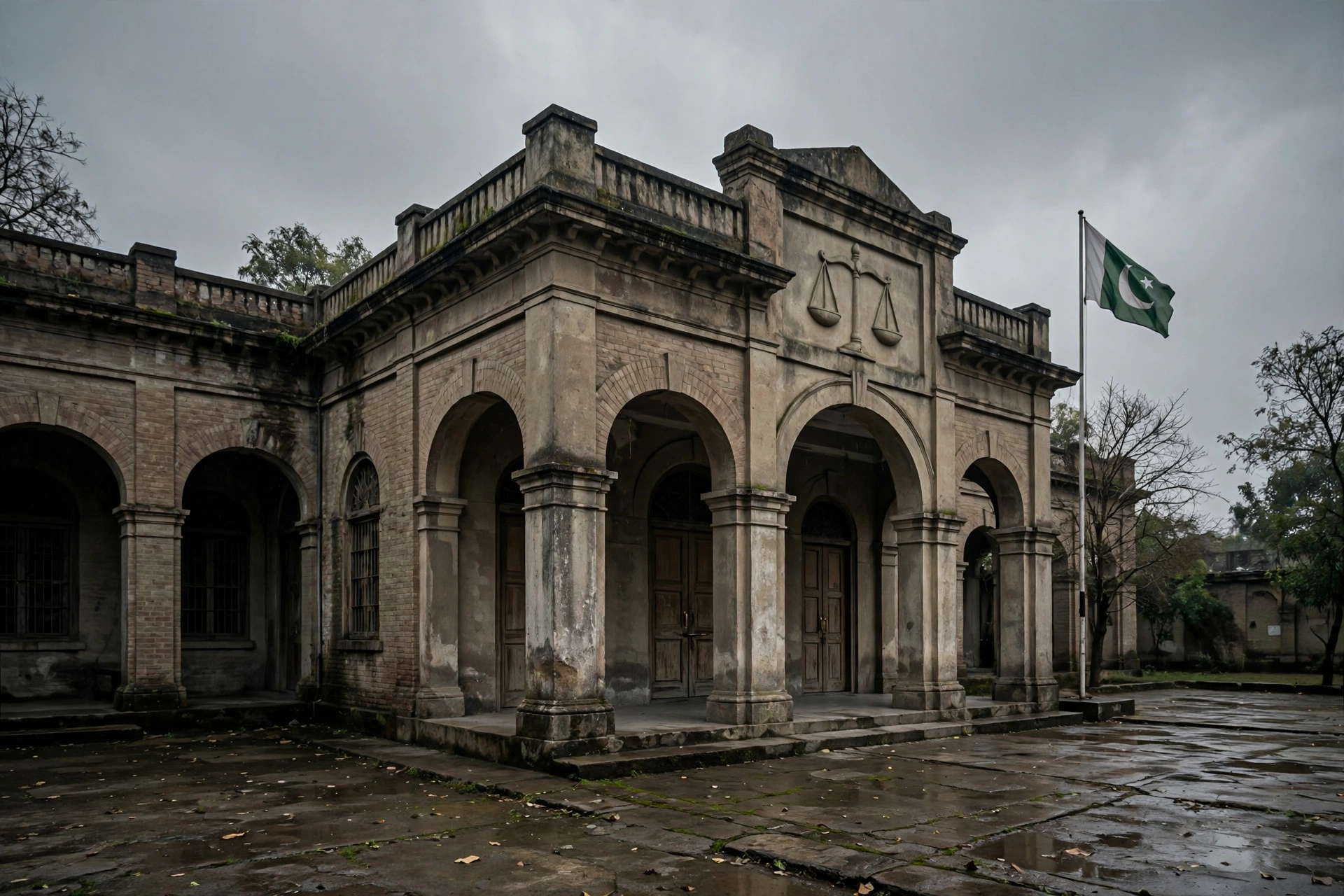
The family says it does not trust the reinvestigation. Fahad Javed and the family’s lawyer Shah Khawar have alleged that the investigators lack impartiality and are shifting blame onto the domestic worker, and that evidence was tampered with. They want a judicial commission to examine the case instead of relying on the committee’s report. The husband’s father-in-law, Ali Asghar, was also named during the investigation, adding another layer to the dispute over who the evidence points to.
What happens next
The final police report will follow once the outstanding forensic results arrive, and the committee’s findings will go to Chief Minister Maryam Nawaz. Both suspects are currently held at Adiala Jail on judicial remand. Whether the judicial-commission demand gains traction, and whether the remaining forensic results resolve the two competing readings of the evidence, will decide where this case goes from here.