
On Friday, 20 November, the Central Development Working Party, known as the CDWP, looked at 11 development projects worth Rs191.8 billion and approved only seven, worth Rs19.3 billion. The other four, worth Rs172.4 billion, were sent to the Executive Committee of the National Economic Council, or ECNEC, for a final decision. Almost 90 percent of the package is therefore still waiting for approval. At the current USD to PKR exchange rate today, the full package is worth about $695 million and the approved part about $70 million. Nearly half the approved money, Rs9.15 billion, goes to two new border terminals on the Pakistan-Iran border, at Taftan and Gabd.
What the CDWP actually approved
The seven approvals add up to Rs19.22 billion, rounded to Rs19.3 billion by the Planning Commission. The two border terminals take the largest share. The Taftan terminal, in the Chaghi district of Balochistan, will cost Rs4.80 billion, paid for through the Public Sector Development Programme, known as the PSDP. The terminal at Gabd will cost Rs4.35 billion. Together they come to Rs9.15 billion, or 47.4 percent of everything approved, and aim to regulate cross-border trade, create jobs and help control smuggling.
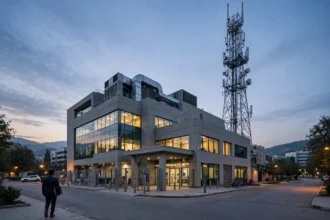
The other approvals are a Rs4.4 billion expansion of cellular services in Azad Jammu and Kashmir and Gilgit-Baltistan, a Rs3.42 billion medical college in Muzaffarabad, Rs1.4 billion for the Pakistan Atomic Energy Commission to explore radioactive minerals in the Marwat Range, and Rs255.8 million to strengthen institutions for refugees administration. The last approval is a Rs600 million youth project in Sindh, funded jointly with the United Nations Development Programme, for 15,000 young people in 16 districts, about half of them women.
The Rs172.4 billion that still waits for ECNEC
The four projects sent to ECNEC are far bigger than the seven approved, and one dominates the whole package. The Punjab Resilient and Inclusive Agriculture Transformation project, known as PRIAT, is worth Rs104.4 billion on its own, or 54.4 percent of the entire package. The World Bank will provide Rs91.12 billion of it, with the Government of Punjab contributing Rs13.31 billion. It aims to raise farmers incomes and improve access to agricultural water, through lined watercourses, solar irrigation, on farm ponds, certified seed and crop diversification.
The second referral is the third revised version of the Prime Ministers Youth Skill Development Programme for 2023 to 2028, worth Rs47.6 billion. Planning Minister Ahsan Iqbal directed that its cost be rationalised and duplication avoided, a sign that the programme has grown through repeated revisions. The other two referrals are road projects: widening the Sibi to Talli and Kohlu to Rakhni roads at Rs11.1 billion, and a black topped road from Sui to Kashmore at Rs9.3 billion. None of these four can receive funding until ECNEC gives its final approval, and no date for that meeting has been announced.
Why the Iran border terminals come first
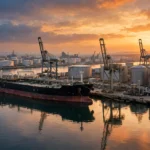
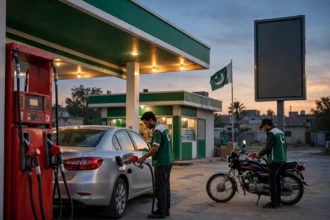
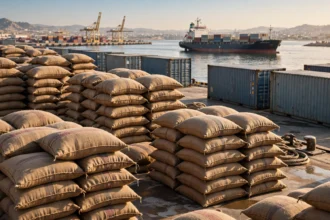
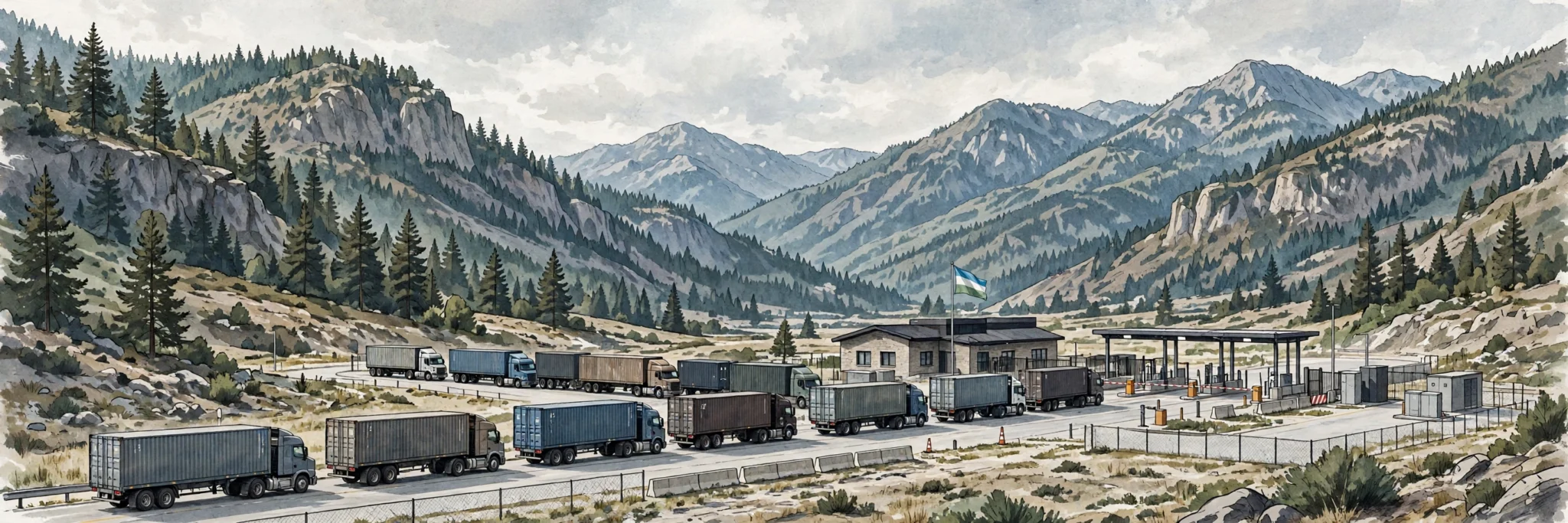
Trade at the Taftan and Gabd crossings was suspended on 17 October and only partly resumed about a week later, leaving about 2,000 trucks stuck at the border, per the Quetta Chamber of Commerce, and about 3,000 vehicles waiting at Rimdan, per Iranian reports. The halt hit fuel supplies hard: a 12 kilogram gas cylinder in Balochistan rose from Rs4,500 to Rs7,000 within days, according to industry reports, because Iranian LPG tankers were stuck at the frontier. Formal trade between Pakistan and Iran is only about $1 billion to $1.3 billion a year, far below the $10 billion target the two countries have set.
The region is in the middle of a war that began on 28 February 2026, and two tankers were struck near Omans Khasab coast on 21 November, the day after the meeting. Pakistan has already moved to protect its fuel supplies, and Oman extended a $200 million oil credit line to PSO under a petroleum supply agreement signed in Muscat. Proper terminals at Taftan and Gabd would give Pakistan a second, land based route for fuel and goods from Iran if Gulf sea routes are disrupted again.
What happens next
The seven approved projects can now move towards PSDP funding, but approval is not the same as spending, since money reaches a project only when the government releases it. The first quarter of this fiscal year produced a surplus of Rs1.3 trillion, and development spending rose 58 percent on the previous year, according to State Bank data, so the government has more room than usual to fund the approved schemes. Even so, the real test is the ECNEC meeting. Until it clears PRIAT and the youth skills programme, more than half the package exists only on paper. The wider trade picture adds pressure, since the October trade deficit was revised to $4.13 billion. Readers can follow further decisions in more business and economy news from Pakistan.