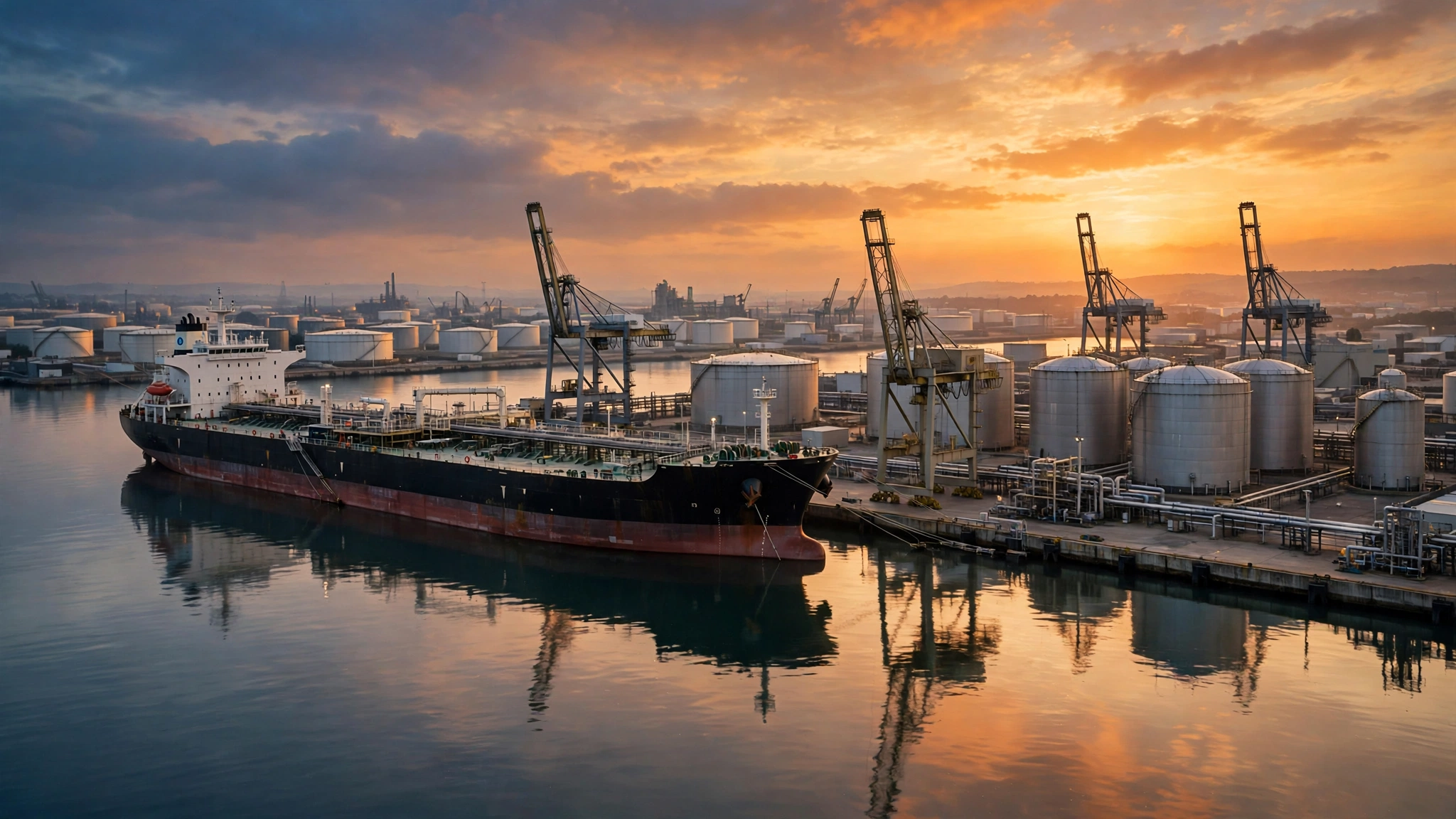

Pakistan State Oil has secured a $200 million credit line from Oman’s OQ Trading under a petroleum supply agreement signed in Muscat on 22 November. The headline figure sounds large, but Pakistan’s own import data shows it covers less than four days of the country’s fuel bill. It still matters, just not for the money. Its real value is a structured supply channel with a supplier that delivers more than a million tonnes of petrol a year, while war in the Gulf still disrupts shipping and pushes up the cost of every barrel Pakistan buys.
What the agreement actually covers
Under the sale and purchase agreement, OQ Trading will supply petroleum products to PSO and extend a $200 million credit limit to finance those purchases. Federal Minister for Petroleum Ali Pervaiz Malik and Oman’s Minister of Energy and Minerals, Eng. Salim Al Aufi, witnessed the signing after talks in Muscat. The Economic Coordination Committee had approved it earlier under an existing inter-governmental agreement, and the ministers also welcomed a new Pakistan-Oman Joint Working Group on Oil and Gas. OQ Trading is not a new supplier: it delivered more than one million tonnes of gasoline to PSO during 2026, with LPG supplies expected to exceed 120,000 metric tonnes by the end of the year. The facility is a credit limit for fuel purchases, not a grant or an investment, and neither side has disclosed its cost or repayment terms.
The arithmetic behind the headline
Pakistan’s petroleum import bill was $1.60 billion in October 2026, up 19.27 per cent on a year earlier and equal to 27.24 per cent of all imports that month, according to State Bank data. At that pace the country spends about $53 million a day on petroleum, so a $200 million credit line covers roughly three and three-quarter days of imports, or about an eighth of a single month’s bill. The crude figures show the pressure: the crude import bill rose 33.07 per cent to $2.62 billion in July to October even though the quantity imported fell 8.37 per cent, and October’s crude bill jumped 67.05 per cent in a month to $865.33 million. Prices, not volumes, are doing the damage, which is why petroleum drives a trade deficit revised to $4.13 billion in October. That dollar cost is also why the USD to PKR exchange rate today matters to every fuel buyer in the country.
The signing had already happened
A second detail the headlines skipped: PSO had already told the Pakistan Stock Exchange in October that it signed this agreement with OQ Trading on 8 October, after board and federal cabinet approvals, under a 2018 intergovernmental arrangement. The Muscat ceremony on 22 November was therefore the formal witnessing of a deal already in place, not the first time the two companies agreed it. That does not make the announcement false, but it changes what it means: the deal formalises a relationship already operating, rather than a new supplier found in a hurry.
Why Oman, and why now
The war between the United States, Israel and Iran that began on 28 February 2026 has kept Gulf shipping under threat, and two tankers were struck near Oman’s Khasab on 21 November, the day before the ceremony. Brent crude rose from about $72 a barrel before the war to more than $110, and petrol in Pakistan reached about Rs415 a litre in May, against Rs266 before it. The State Bank says the energy shock pushed inflation above 11 per cent in May and June. Pakistan relies on imports for nearly 85 per cent of its energy needs. The disruption has already cost trade: exports to Gulf markets fell 32.3 per cent between March and June and were still 6.4 per cent lower in July to October, with regional conflicts estimated to have cost $387 million in trade in those four months. Against that background, a fixed supply channel with Oman is worth more than the credit attached to it. Energy costs are also reaching households, with December electricity bills set to rise as well.
What happens next
Three things will show whether the agreement delivers. First, whether PSO draws on the facility and how quickly the credit is used. Second, what the new Joint Working Group on Oil and Gas produces, and whether it leads to further supply or investment agreements with Oman. Third, whether the government publishes the credit terms, including cost and repayment period, which it has not disclosed so far. The deal will not cut the oil bill; it was never large enough. What it can do is make one part of that bill more predictable, and for a country buying fuel through a war zone, predictability is the point. Readers can follow more business and economy news from Pakistan as it develops.