
Pakistan will launch its fake-medicine checker on 24 November, at the prime minister’s inauguration of the Mehfooz Dawa app and the barcode system behind it. The system has been running for six weeks. The central track-and-trace system went live on 9 October and the 2D barcode rule took effect on 10 October, with the app free on Google Play since then. The launch is only its public debut.
How the scan works
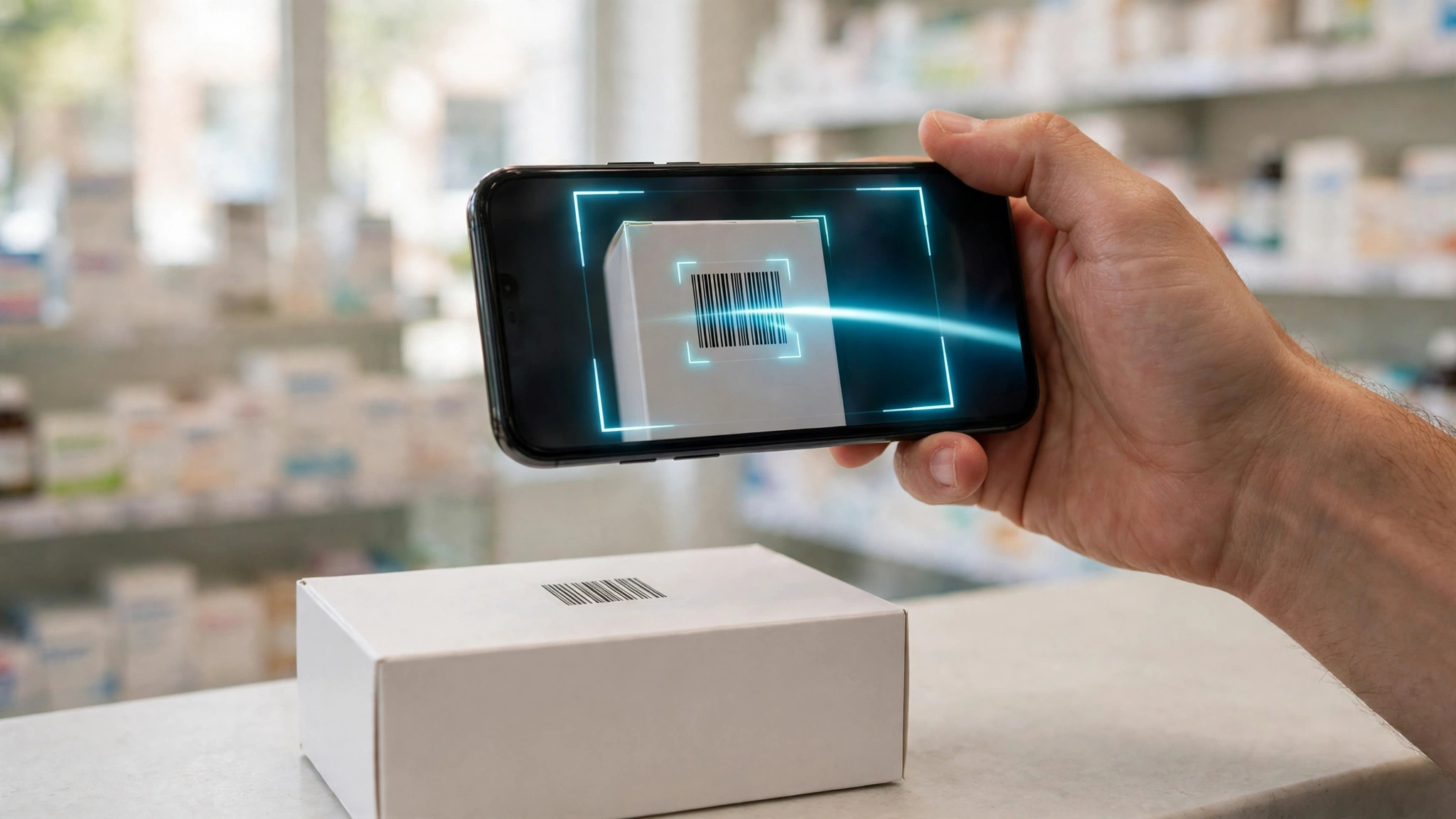
Every medicine pack made in Pakistan or imported on or after 9 October must carry a unique 2D DataMatrix barcode. A buyer points a phone camera at the code through the Mehfooz Dawa app, built for DRAP by the National Information Technology Board. The app checks the pack against the regulator’s register and shows its registration status, approved price and expiry date. A fake pack triggers a red warning, and fakes can be reported from the same app with a photo.
The check happens before the buyer pays. One in three adults in Pakistan has diabetes, and one in four healthy Pakistanis already has early heart disease, so millions of households buy long-term medicines again and again, and every repeat purchase is another chance to be sold a fake.
The fakes kept coming
The fake-drug alerts did not stop on 9 October. On 12 November, DRAP issued two rapid alerts. Alert 53 warned of a falsified Hexaxim vaccine, batch X3H421VA. It is registered in Pakistan only as a pre-filled syringe, so any vial is not genuine. Alert 52 the same day warned of falsified Axtin soft gels, batch AXAF2301. Four more alerts followed on 16 November, and alert 60 on 18 November named three Rhophylac 300 batches. The fight was still on while the system ran.
Punjab added its own recall on 13 November. The provincial Directorate of Drugs Control ordered five injections withdrawn after laboratory tests found them substandard or adulterated. The list covers six batches: two Dormicum batches, 47447 and 47661, with visible particles; Davilax, batch DD1126, declared adulterated; Zeftrox, batch 677, which failed sterility testing; and two sterile-water preparations, PSOL 2mL batch AK164 and PSOL 10mL batch VL277.
The gap the scan cannot close
The biggest hole is the old stock. The barcode rule applies only to products made locally or imported on or after 9 October. Earlier stock is exempt, so packs already on pharmacy shelves carry no code to scan. A buyer holding one of those packs gets no answer from the app at all.
The second gap is geography. The Senate Functional Committee on Problems of Less Developed Areas took up the issue on 16 November and blamed weak DRAP oversight for the spread of fake drugs, saying counterfeit medicines and vaccines were spreading in rural areas. A phone scan helps only where people know about the app and have a smartphone. Khyber Pakhtunkhwa has announced five mobile drug-testing labs.
There is also a numbers puzzle the government has not explained. The health minister told the National Assembly the government database holds around 75,000 medicines. UrduPoint reported him saying more than 86,000 medicines have been registered under the track-and-trace system. The ministry says above 90,000. No official has explained the difference.
Eleven years from idea to launch
The barcode idea is not new. It was first proposed in 2015 and approved by the federal cabinet in 2017, then stalled for years. DRAP set 1 October 2026 as the cut-off, and the system went live eight days later. Health Minister Mustafa Kamal told the National Assembly on 30 October that the prime minister would formally launch the project by the end of November. A National Vaccine Policy is still awaiting cabinet approval.
What to check before you pay
Download Mehfooz Dawa from the official Google Play listing only and scan the barcode before paying. Check the approved price and expiry date on the screen. If the pack has no barcode, ask the pharmacist when it was stocked, because packs made before 9 October are exempt. If the app flashes a red warning, do not buy the pack, keep the photo evidence, and report it through the app. For injections, check the batch number against the recall lists, which name exact batches. Most imported medicines are priced against the dollar, so the USD to PKR exchange rate today shapes the price.
What happens next
Three dates will show whether the launch was real or ceremonial. The first is 24 November itself, and whether the promised awareness campaign follows. The second is the Senate committee’s 10-day deadline, when federal and provincial health authorities must explain the gaps. The third is the sell-through of pre-October stock. If scan and report counts are published, the public can judge the system by its use. For more health news from Pakistan, follow our health coverage.