
On October 13, Pakistan’s media regulator told every satellite television channel to stop showing live coverage of “unpleasant” incidents such as explosions, blasts, shootings and terror attacks, to air only information verified by government departments or law enforcement agencies, and to introduce broadcast delays along with independent editorial boards. The directive, which threatens legal action against channels that do not comply, has drawn a formal objection from the Committee to Protect Journalists. This is what the order actually requires, where it comes from, and what viewers will notice on their screens.
What the October 13 directive says, point by point
The notification covers all satellite TV channel licensees, including news, current affairs and regional-language channels. According to the text of the notification reported in Pakistan’s press and reviewed by the Committee to Protect Journalists, it directs channels to “refrain from broadcasting, rebroadcasting, and live coverage of any unfortunate/unpleasant incident such as explosion, blast, firing, terrorist attack, etc.” Channels may broadcast “only such verified information, warranted by the concerned department/law enforcement agency,” and the regulator warns of legal consequences for non-compliance.
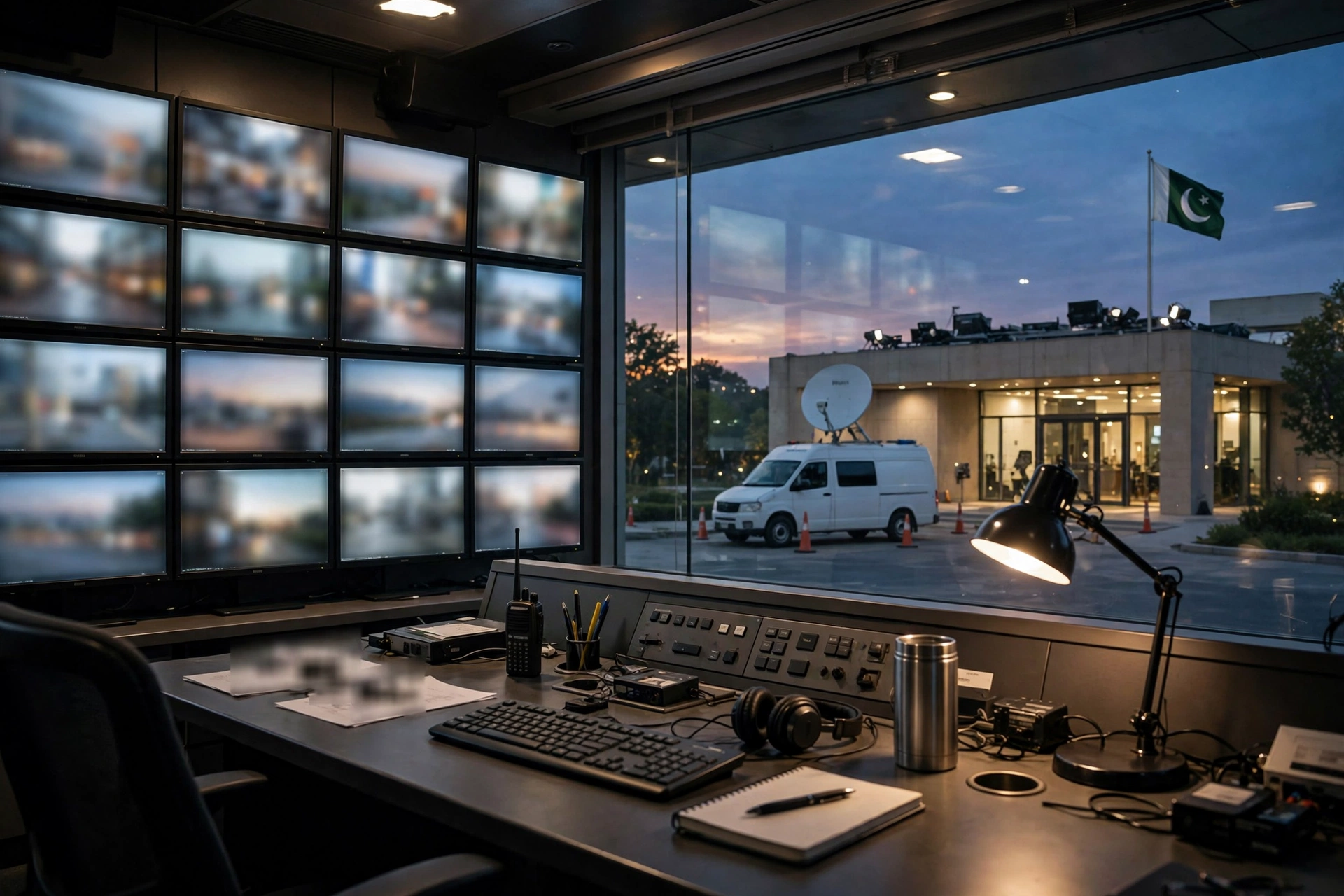
Two practical requirements sit alongside the ban. Channels must introduce broadcast delays on their news output, and they must maintain independent editorial boards that sign off on how security incidents are covered. The stated logic is that live attack footage and unverified early reporting can spread panic, but the mechanism gives the regulator a direct say in what each channel may show.
This is not a new rule: it revives the February 2023 order
According to CPJ, the October 13 directive reiterates restrictions that PEMRA first imposed on February 20, 2023, when the regulator accused television channels of broadcasting unverified and speculative information during militant attacks. The revival means the current rulebook on attack coverage is essentially a reissued version of that order, now with the delay and editorial-board requirements stated more explicitly.
The three-year gap matters for newsrooms. Channels that built their breaking-news routines around rapid live reporting are being asked to return to a restriction many had adjusted to and then watched fade in practice.
The timing: days after the Khyber Pakhtunkhwa emergency
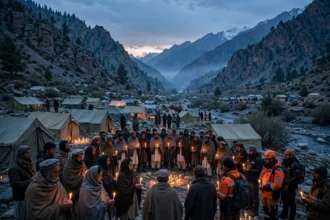
The directive arrived within days of the federal government’s decision to impose emergency and governor’s rule in Khyber Pakhtunkhwa, a period of heightened political tension and a deteriorating security situation in the province. Under the new rules, the only voices television viewers will hear during such episodes are those cleared by the relevant departments and agencies.
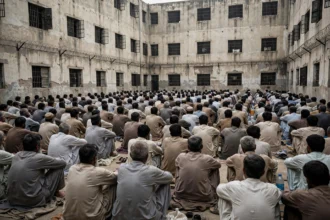
The order also landed as official sources already dominate the narrative around recent security detentions, including the preventive custody detention of Sohail Afridi in the province. With live independent reporting off the table, the official version of events is the one that will reach the screen first.
CPJ’s response: a safety safeguard or censorship?
On October 16, the Committee to Protect Journalists urged Pakistan’s authorities to withdraw the restrictions, saying journalists must be able to report breaking news independently and in the public interest without fear of legal retaliation. Waliullah Rahmani, CPJ’s representative for Afghanistan and Pakistan, warned that “preventing journalists from independent reporting of major security incidents and requiring them to rely on information authorized by state and security agencies risks turning legitimate safety safeguards into a system of official information control and censorship.”
The phrase drawing the sharpest criticism is “unpleasant incident,” a term the directive never defines. Media observers say the vague wording gives the regulator wide latitude to decide which stories count as unpleasant and which do not. Media reports have also recalled that in August, media bodies criticised the Foreign Media Facilitation Guidelines 2026, which require foreign journalists to obtain a no-objection certificate from the information ministry to report outside Islamabad, Lahore and Karachi, as an earlier step in the same direction.
What viewers will actually see change
For viewers, the practical effect is straightforward: during an attack, live images from the scene will not reach the screen. Coverage will arrive later, after official verification, and the reporting will track the official account rather than what reporters can observe on the ground. Broadcast delays mean anything that does go out can be cut before transmission, and the editorial-board requirement moves the final say over security coverage into a formal approval chain inside each channel.
Supporters of such rules argue that live attack coverage can spread panic or give attackers information in real time. CPJ’s counter is that the same rules let the state decide what the public is allowed to know, and that independent newsrooms should be trusted to make responsible editorial decisions under pressure. For continuing coverage of how media, law and politics intersect, follow our latest Pakistan national news.