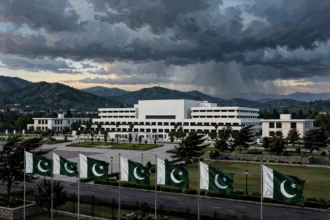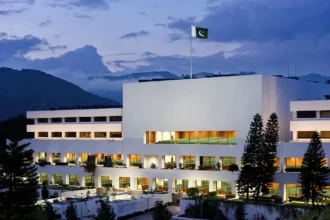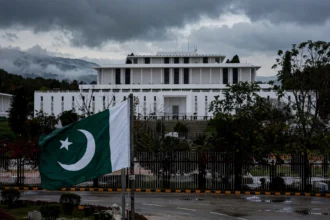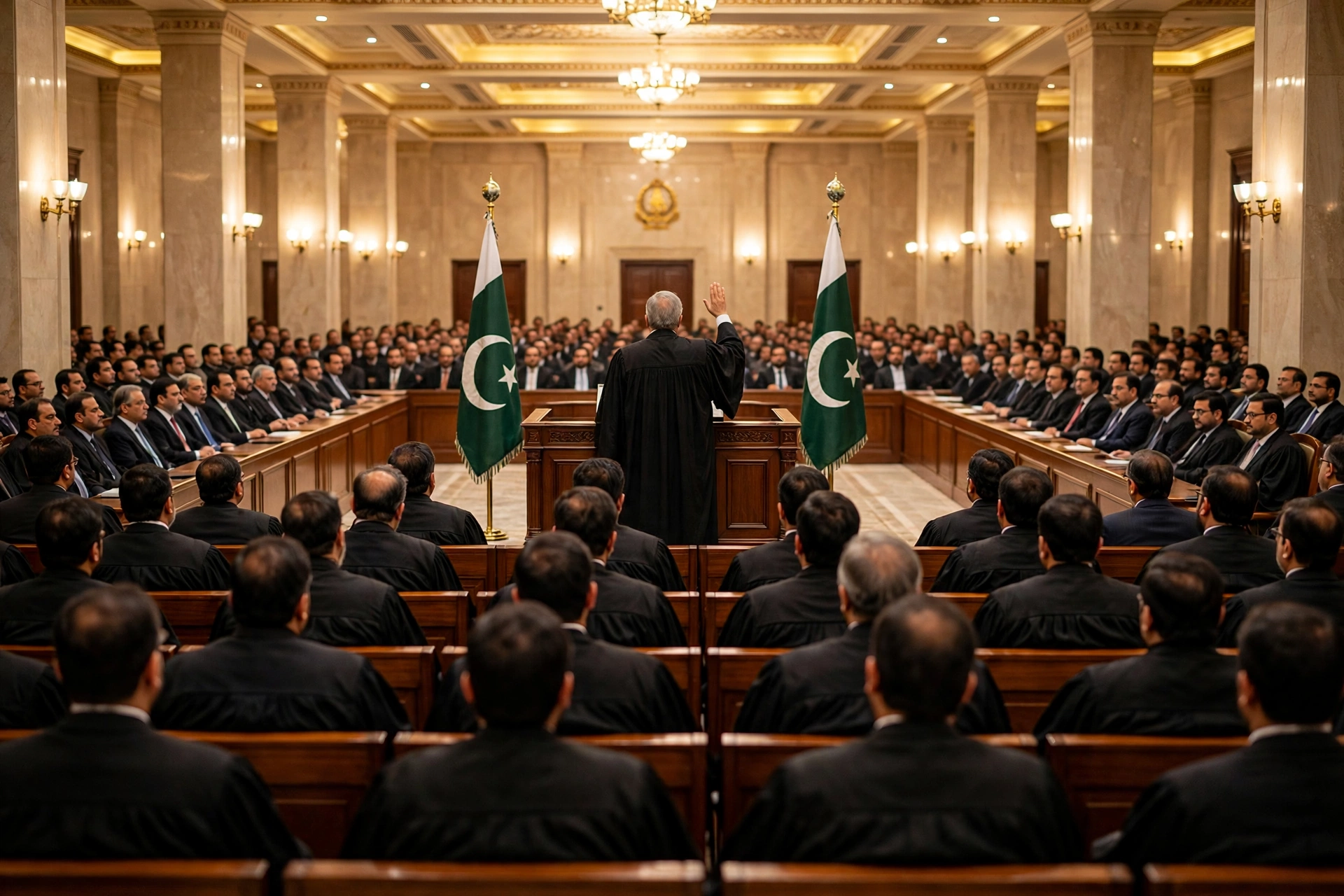

Justice Munib Akhtar took oath as the acting Chief Justice of Pakistan on Thursday in a ceremony at the Supreme Court in Islamabad, stepping into the top judicial office while Chief Justice Yahya Afridi is abroad on a private visit to England. The oath was administered by Justice Jamal Khan Mandokhail in the presence of Supreme Court judges, court staff and prominent personalities. Afridi is expected to return on October 21, after which he will resume his duties.
How an acting chief justice is picked
When the chief justice is unavailable because of foreign travel or leave, the senior-most available judge takes over the functions of the office in an acting capacity. The arrangement is administrative, not a fresh appointment, and it exists to keep the machinery of the country’s highest court running without a gap.
Justice Akhtar is not new to the role. He has held acting charge of the top office on earlier occasions, including a stint in June this year and another in May 2025. The convention ensures that routine functioning, bench formations and administrative decisions of the court continue on track while the office holder is away.
Why Justice Mandokhail administered the oath
With the chief justice out of the country, the oath was administered by Justice Jamal Mandokhail. This follows an established practice rather than an ad hoc arrangement. In May 2025, when Justice Akhtar last took charge as acting chief justice, it was Justice Mandokhail who administered the oath on that occasion as well. The repetition of the same pattern shows that the ceremony follows seniority and availability, and Thursday’s event was no exception.
Afridi’s overseas schedule
Chief Justice Afridi is on a private visit to England and is expected back on October 21. President Asif Ali Zardari approved the required NOC and leave for the chief justice’s foreign travel on the advice of Prime Minister Shehbaz Sharif. For the duration of the absence, Justice Akhtar performs the responsibilities of the office.
Why the interim arrangement matters
Interim stewardship of the top office matters because the Supreme Court continues to hear cases of national importance every day. Petitions challenging the emergency proclamation in Khyber Pakhtunkhwa are already before the courts, and Parliament ratified the emergency in a joint sitting this week. An acting chief justice ensures that bench formations, case listings and administrative orders proceed without a pause while the chief justice is away. The arrangement also keeps the registry and the court’s day-to-day governance, which do not stop when the chief justice travels, fully functional.
What happens next
Justice Akhtar will hold the acting charge until October 21, when Chief Justice Afridi is expected to return and resume office. The brief interim period follows a familiar pattern at the Supreme Court, where acting arrangements have been made whenever the chief justice has been abroad. Pakistan’s judiciary has also been active on the international stage this week, as Barrister Aqeel Malik represented Pakistan at the International Justice Summit 2026 in Istanbul. For more developments, see PakMirror’s latest Pakistan politics coverage.