
Parliament has now backed the state of emergency and governor’s rule in Khyber Pakhtunkhwa, and the constitutional fight has entered a new phase. A joint sitting approved both presidential proclamations on October 15, giving the measures parliamentary legitimacy. But the dispute is not over. The battle has shifted to three fronts: the courts, where a fresh petition is coming and a province-wide lawyers’ strike is set for Monday; the bar rooms, where a lawyers’ movement is being organised; and Parliament itself, where demands for a closed-door briefing are growing.
What Parliament actually approved
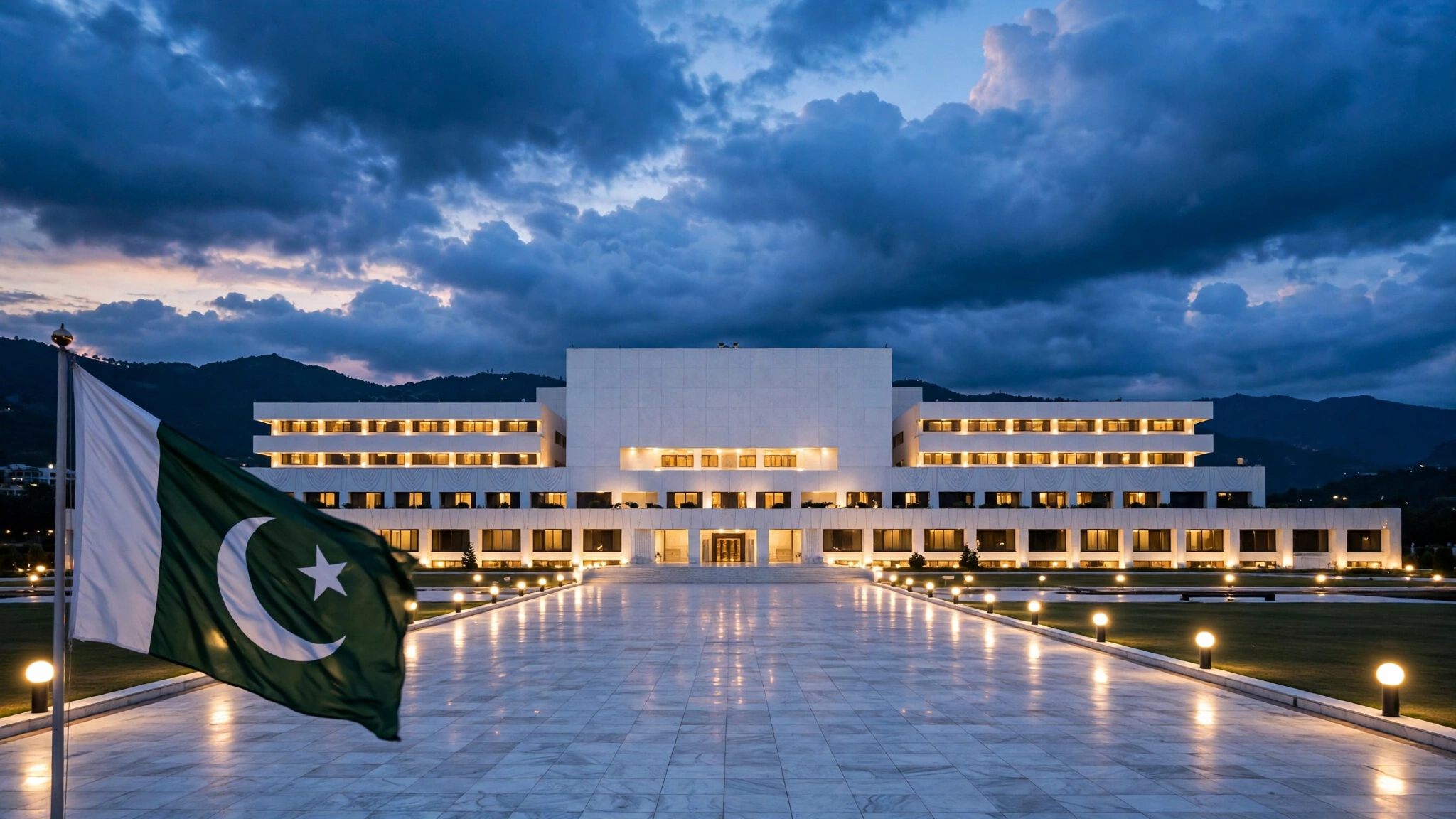
Approval came in two steps. On October 14, the National Assembly and the Senate met separately and each endorsed the emergency proclamation. A day later, a joint sitting took up both measures together. The procedural motion passed 214 to 56 after opposition members tore up copies of the resolutions. The resolution approving the emergency was adopted 240 to 46, and a separate resolution approved governor’s rule under Article 234(3). The joint sitting was then adjourned indefinitely. This was the parliamentary seal on the emergency and governor’s rule that President Asif Ali Zardari had imposed on October 11, suspending the PTI-led provincial government.
What the approval changes legally
The two articles work differently, and that difference now matters. Governor’s rule under Article 234 can be extended in two-month instalments but cannot run for more than six months in total. The emergency under Article 232 has no such cap and can be extended indefinitely, a distinction Law Minister Azam Nazeer Tarar spelt out. Approval does not close the legal door, though: courts can still examine whether the power was exercised on valid grounds. That is where the PTI is pressing. The party has moved the Peshawar High Court, arguing the measures were discriminatory, since no governor’s rule was imposed in Balochistan despite terrorism there, and since Khyber Pakhtunkhwa suffered militancy between 2007 and 2015 without such an intervention. The petition also holds that the party’s two-thirds majority in the 2024 elections makes suspending the provincial mandate unjustifiable.
The courts: a new petition and a strike on Monday
This morning brought the freshest legal development. The Khyber Pakhtunkhwa Bar Council declared the emergency and governor’s rule unconstitutional and undemocratic on Saturday and announced a province-wide strike on October 19. The council has formed a panel to file its own constitutional petition, aiming for an October 20 hearing alongside the existing petitions. It also demanded that Sohail Afridi and assembly speaker Babar Saleem Swati be produced before the court or released, including the preventive custody detention of Sohail Afridi and other detained leaders. The council further condemned what it called the illegal detention of senior lawyer Ameer Ijaz, picked up in Mardan about a month ago and still missing. A meeting of the presidents of all district and tehsil bar associations is set for October 24 to decide the next steps. This dovetails with the PTI’s own plan: Senator Barrister Ali Zafar announced a meeting of lawyers on Monday to launch a lawyers’ movement, saying the long march was postponed but the movement had not ended.
Parliament again: the in-camera demand
Even inside the parliamentary arena, the matter is not closed. On Saturday, JUI-F chief Maulana Fazlur Rehman demanded a joint in-camera session of parliament on the province’s security situation, saying the government must take the nation into confidence on its counterterrorism strategy. The government’s answer came the same day from Minister of State for Interior Talal Chaudhry, who accused him of treating the arrangement as spoils of war and seeking a share in it. Chaudhry called the setup administrative with a one-point anti-terrorism agenda, and alleged a relationship between the PTI and the banned Tehreek-e-Taliban Pakistan, citing the group’s statement opposing governor’s rule. Parliamentary Affairs Minister Tariq Fazal Chaudhry separately denied the move was linked to the province’s mineral resources.
What to watch this week
Three dates frame the next phase: Monday’s strike and the PTI’s lawyers’ meeting, the bar council’s hoped-for Tuesday hearing, and the October 24 meeting of bar presidents. Beyond that, the open questions are political: whether the government accepts the in-camera demand, how the Peshawar High Court treats petitions against measures that now carry parliamentary approval, and whether the opposition keeps its fight inside the courts and the bar or returns to the streets. The government says the emergency targets worsening terrorism, the concern behind Pakistan’s demand for a verifiable mechanism to end cross-border terrorism, and that it held off until the last moment. The opposition calls it a political instrument aimed at an elected mandate. Parliament has picked its side. The courts and the lawyers are about to pick theirs. For the latest national news from Pakistan, follow PakMirror’s continuing coverage.