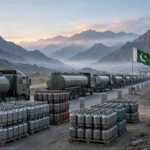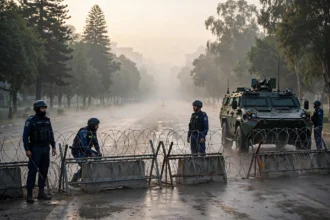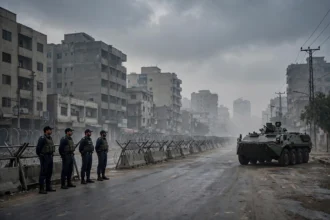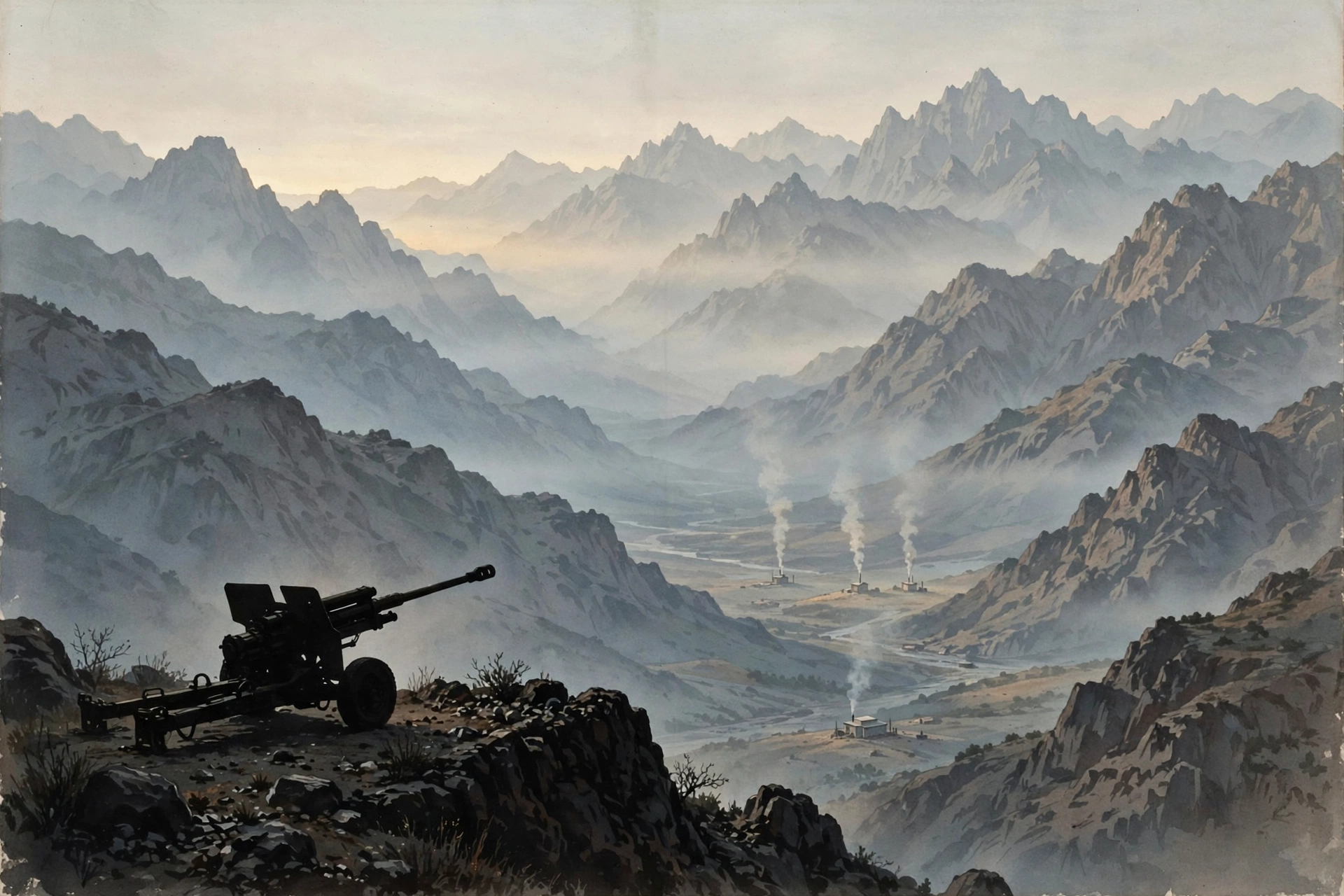

ISLAMABAD: Artillery fire rocked the Pakistan-Afghanistan border in Khyber Pakhtunkhwa’s Upper Kurram district on Saturday, October 18, barely 24 hours after Pakistan’s Foreign Office set a single condition for any future talks with Kabul: a verifiable mechanism to end cross-border terrorism. Security officials said Afghan Taliban forces opened fire in the Taida sector of Upper Kurram and at Ghuzgarhi to help militants slip into Pakistan, while the Pakistan Army answered with artillery that reportedly destroyed the Afghan Taliban’s Shipola base camp and damaged the Topsar post. Several Afghan Taliban personnel were reported killed, and the exchange of fire was still continuing late on Saturday.
A 48-hour timeline
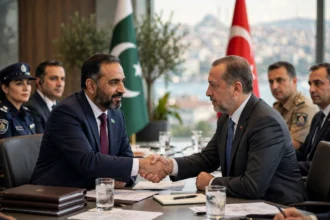
On Friday, October 17, Foreign Office spokesperson Sajjad Haider Khan told the weekly media briefing that talks with Afghanistan could not be unconditional, though he rejected suggestions that Islamabad was unwilling to engage. Pakistan, he said, would welcome sincere efforts by friendly countries to address its legitimate security concerns.
On Saturday morning, that diplomacy collided with the border’s reality. State broadcaster PTV News and the state-run Associated Press of Pakistan, both citing security sources, reported that Afghan Taliban forces fired across the border in the Taida sector to “facilitate the infiltration of terrorists” into Pakistan. The army responded with heavy weapons, destroying several Afghan Taliban posts and forcing their personnel to flee, PTV News reported. At Ghuzgarhi, APP quoted security sources saying several Afghan Taliban personnel were “reportedly killed” during the retaliatory action, while in Upper Kurram artillery targeted the Topsar post and the Shipola base camp, the latter reportedly destroyed completely.
Pakistan’s one condition for talks with Kabul, laid out in detail by the Foreign Office on Friday, is precisely what makes Saturday’s firefight so significant: the mechanism Islamabad is demanding is meant to stop exactly the kind of cross-border firing that erupted in Kurram.
What each side is claiming
The Pakistani account rests entirely on unnamed security sources quoted by PTV News and APP. Three key claims carry the “reportedly” qualifier in the coverage: that the Taliban firing was unprovoked, that it was meant to cover militant infiltration, and the number of Taliban personnel killed. The Taliban government in Kabul had issued no immediate comment on the clashes, so the Pakistani version of who fired first has not yet been answered by the other side.
That asymmetry matters. Cross-border clashes have repeatedly produced competing “unprovoked firing” claims, and until Kabul responds, Saturday’s casualty figures remain one-sided assertions rather than established facts. What is established is that heavy weapons were used, border posts were hit, and the firing lasted for hours.
Why Kurram keeps flaring up
The Kurram sector has been one of the most volatile stretches of the 2,600-kilometre Pakistan-Afghanistan border. Saturday’s exchange followed Pakistan’s calibrated aerial strikes earlier this month on terrorist hideouts in Afghanistan, which the Ministry of Information said killed multiple militants belonging to the banned Tehreek-i-Taliban Pakistan, which the government calls Fitna al-Khawarij. The same sector saw a separate clash just a week ago, when the October 11 operation that stopped an infiltration bid in the same sector left 12 militants and Afghan Taliban fighters dead.
The wider backdrop is grim on both sides of the border. Pakistani authorities say more than 2,800 militant attacks since January have killed 3,000 people across Pakistan, mainly in Khyber Pakhtunkhwa and Balochistan, while the United Nations Assistance Mission in Afghanistan said in September it had documented more than 1,100 civilian deaths and injuries from cross-border violence in Afghanistan this year. PTI reported that Pakistan recorded its highest monthly number of militant attacks in 12 years in September 2026. Each clash hardens the positions that diplomacy is supposed to soften.
What the firefight means for the talks track
Saturday’s artillery exchange tests the very framework Islamabad proposed on Friday. The Foreign Office wants a mechanism with named commitments, monitoring arrangements and agreed consequences before any talks. But every border clash raises the cost of even reaching that negotiating table: the Doha ceasefire framework from last year is already fragile, and repeated firing incidents give both sides less reason to trust any new arrangement.
The questions now are open. Will Kabul answer Islamabad’s casualty claims with its own account? Will the friendly countries the Foreign Office mentioned step forward to mediate, as they did when the Doha talks needed third-party guarantors? And can a verification mechanism be built while the guns at Kurram are still warm? The answers will decide whether the border settles into a managed standoff or keeps sliding toward the escalation both capitals say they want to avoid. For now, the army says it remains fully alert, the diplomatic door is officially still open, and the people living along the border are caught between the two.
Stay with the latest national news from Pakistan as this story develops.