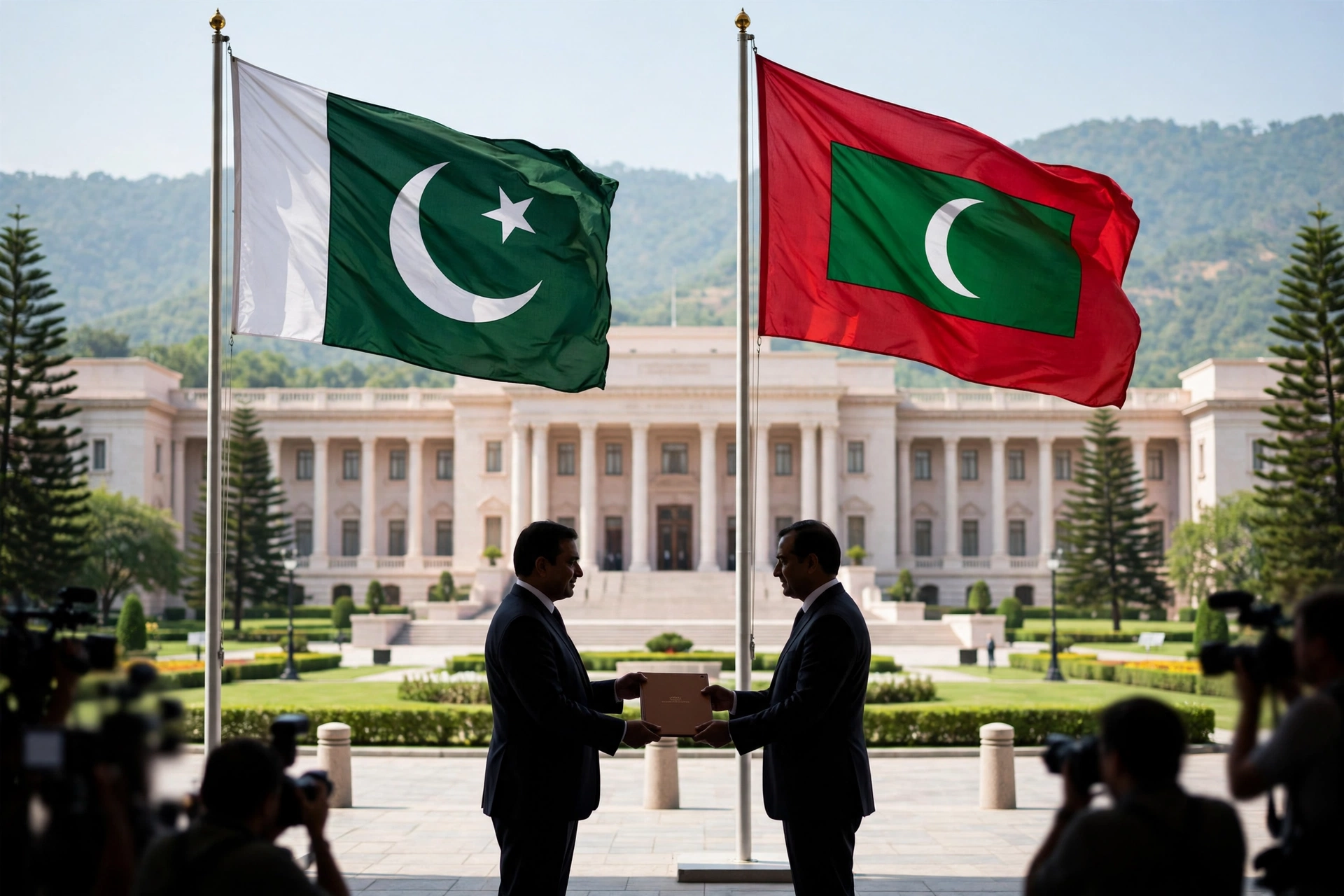

On Wednesday, October 21, Pakistan and the Maldives signed 20 memorandums of understanding at the Prime Minister House in Islamabad, the centrepiece of President Mohamed Muizzu’s three-day state visit from October 20 to 22. It is the first visit by a Maldivian head of state to Pakistan in 11 years and arrives as the two countries mark 60 years of diplomatic relations, established on July 26, 1966. Neither government has released the full text of any of the 20 agreements, yet the published sector list tells a clear story: this visit is about institutions and people, not big-ticket trade. The items with the most near-term substance are air connectivity, a dedicated farm-export channel through the Maldives’ State Trading Organization, and a continued pipeline of Maldivians trained in Pakistan.
What the 20 MoUs actually cover
According to the sector list released after the signing ceremony, the agreements span defence cooperation, maritime security, information technology, cybersecurity and artificial intelligence, combatting illicit trafficking and narcotics, social protection, health, cooperation between food regulatory authorities, recruitment of health professionals, vocational training, youth and sports development, air connectivity, cooperation between police academies, and pacts between the Maldives Civil Services Commission and Pakistan’s Federal Public Service Commission and Civil Service Academy. Maldivian outlets add three more items to the picture: the construction of a medical school in the Maldives, cooperation in fisheries and agriculture, and a dedicated agreement for importing agricultural products into the Maldives through the State Trading Organization. Prime Minister Shehbaz Sharif told the joint press stakeout that there was no doubt the two countries would keep strengthening these relations for all times to come. The ceremony followed a formal welcome at the Prime Minister House; Muizzu arrived in Islamabad on Tuesday with First Lady Sajidha Mohamed and a ministerial delegation.
MoUs are frameworks, not finished deals
This is where the headline number needs reading carefully. A memorandum of understanding records an intention to cooperate; it does not commit budgets, timelines, or quantities. Both Maldivian outlets covering the signing note explicitly that details of the agreements have not yet been released. A preview three days earlier had expected around 12 agreements; 20 were signed. The telling pattern in the sector list is that most of the 20 connect institutions to institutions: training academies, service commissions, police schools, food regulators. There are no company-to-company commercial deals in the list. The real test of this visit is not the signing ceremony but whether implementation schedules follow in the months ahead.
The two MoUs with the most near-term substance
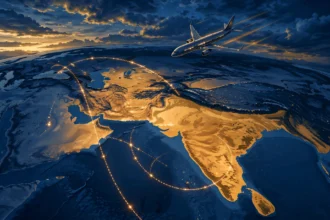
Of the 20, two stand out for what they could change on the ground. The first is the pact on air connectivity between the two countries, aimed at resuming direct air links. If implemented, a direct link would cut journey times for tourists, traders, and the Maldivian families Muizzu is scheduled to meet. The second is the State Trading Organization agreement on agricultural imports. A dedicated state-to-state channel for Pakistani farm produce into the Maldives gives exporters a structured route into a market that depends heavily on imported food. Neither is a done deal yet, but both address real, existing flows rather than speculative ones. They sit alongside the Pakistan-Maldives Business Forum, where Deputy Prime Minister Ishaq Dar welcomed the Maldivian business delegation and expressed hope that business-to-business engagement would yield concrete trade and investment opportunities. The forum is part of a busy season of investment diplomacy for Islamabad, from Pakistan’s investment outreach to Canada to growing Gulf investor interest in Pakistan.
The quiet thread: people, not projects
Look past the ceremony and the single loudest theme of the 20 MoUs is human capital. Recruitment of health professionals, vocational training, civil service training pacts, police academy cooperation, and a medical school add up to a structured pipeline of Maldivians trained by and with Pakistan. This is not new ground: Pakistan has long offered educational and professional training opportunities to Maldivians, building decades of people-to-people ties. In a visit with no headline commercial contract, the people pipeline is the substance. Pakistan’s comparative advantage in this relationship is trained manpower, not capital, and the MoUs are built to export exactly that.
What happens next
The visit is scheduled to conclude on October 22. Still on Muizzu’s programme are a meeting with President Asif Ali Zardari, who is hosting a state banquet in his honour, and engagements with Maldivian families living in Pakistan. For now, the honest assessment of the 20 MoUs is this: a wider-than-expected framework, heavier on institutions than commerce, with air links and farm trade as the two items closest to touching real lives. Whether the rest moves from paper to practice will be visible only when timelines and follow-up agreements appear. Keep watching Pakistan’s national news coverage and business and economy coverage for what follows.