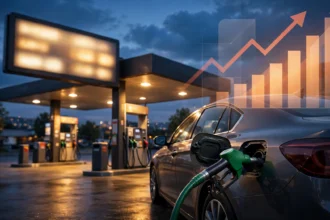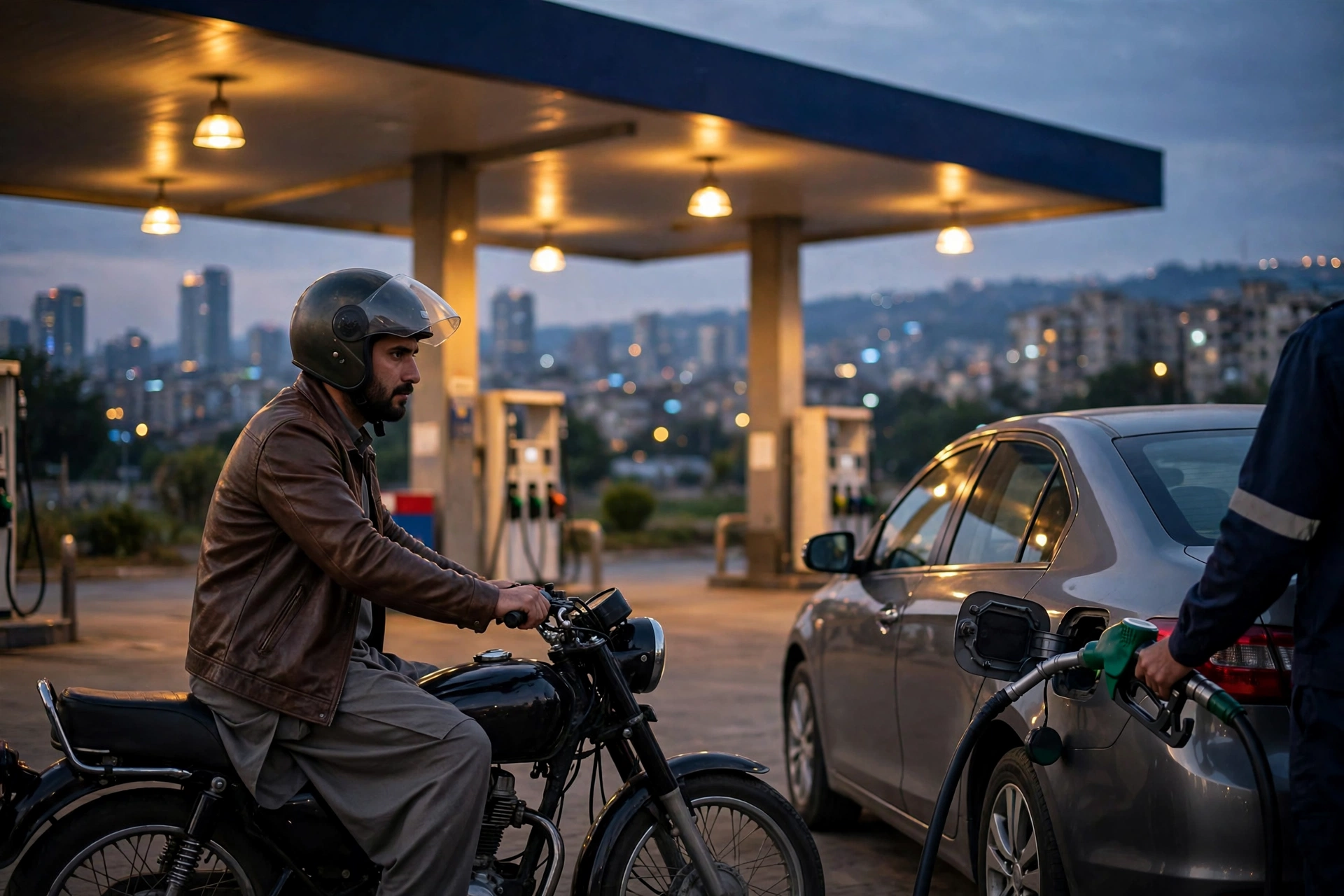

Petrol will sell at Rs325 a litre from today, Wednesday 18 November, after the government cut the price by Rs3 in its eleventh consecutive reduction, while high-speed diesel stays unchanged at Rs358. The Oil and Gas Regulatory Authority issued the notification late on Tuesday, and the new rates are in force for today under the daily pricing system. Petrol and diesel prices were cut by Rs2 a litre on Monday, so petrol has fallen Rs5 a litre in two days, in a run that began on 2 November.
The ledger after eleven cuts
The run began on 2 November, when petrol stood at Rs377.91 a litre and diesel at Rs402.96. Sixteen days later, petrol is Rs52.91 cheaper, about 14 per cent, and diesel is Rs44.96 cheaper, about 11.2 per cent. The cuts came in small steps, with no revisions on 8, 9 and 10 November, so the eleven cuts span sixteen days. A 40-litre car tank now costs Rs13,000 to fill, against Rs15,116 before the first cut, a saving of about Rs2,116. Against the spring peaks the fall is larger: petrol hit an all-time high of Rs458.41 on 3 April, up from about Rs266 in early March, so at Rs325 it sits about 29 per cent below its peak, while diesel, a record Rs520.35 that day, now stands about 31 per cent below it.
How the daily price is actually set
Until February, pump prices were revised every fortnight. When the Israel-Iran conflict broke out on 28 February, the government moved to weekly reviews, and it has now moved again, to daily reviews, after the federal cabinet approved changes to the pricing mechanism on 30 October. OGRA now publishes the daily prices on its official website, each evening announcing the next day’s rate. Under the revised formula, the import price of petrol is set from the actual cost of the relevant Pakistan State Oil cargo, or, if that is unavailable, from the premium, incidentals and customs duty of the last available cargo. For local refineries, the government has temporarily fixed those same charges in the ex-refinery price at their 7 March levels, before the war, for 30 days. The gap between the import price and that ex-refinery price is surrendered by refineries under the petroleum levy account, and the benefit is passed to consumers as a lower pump price. Because the import price is set in dollars, the rupee’s exchange rate against the dollar also feeds into every evening’s announcement.
The Rs15 billion behind the streak
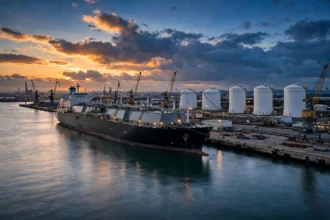
That refinery arrangement is doing much of the work behind the eleven cuts. Under an arrangement announced on 2 November for 30 days, oil refineries are absorbing a cumulative impact of Rs15 billion towards the petroleum levy. The government says the arrangement has enabled a reduction of Rs14.71 a litre in the consumer price of petrol. The 30 days run out in early December: once the contribution ends, the same daily formula must carry the full price alone, unless the government extends the arrangement. For now the market is also helping: Brent crude stood at $92.76 a barrel on Tuesday, down 21 per cent this month despite continued tanker attacks, while US crude is down 18 per cent.
Diesel frozen, and the tax inside every litre
Diesel did not move, and that split decides who actually feels the relief. Petrol powers cars, motorcycles and rickshaws, so the cut reaches commuters first. Diesel runs freight, public transport, farm machinery and generators, so a frozen diesel price means fares, freight charges and food prices get no help from this round. Cheaper petrol should still help on inflation: the State Bank expects inflation to ease to between 5 and 7 per cent in the current fiscal year. The tax inside the price has not moved either: the government collects Rs114 a litre in taxes and duties on petrol and Rs100 a litre on diesel, so on petrol at Rs325 the tax alone is more than a third of what a motorist pays, about 35 per cent on PakMirror’s calculation.
What to watch tonight
Petrol pump owners are still pushing in the opposite direction. Nouman Ali Butt, vice chairman of the All Pakistan Petrol Pump Owners Association, wrote to Prime Minister Shehbaz Sharif on 16 November asking for monthly revisions instead of daily ones, arguing that dealers who buy dear and sell cheap suffer inventory losses they cannot recover. No government response had been reported by Tuesday. Tonight brings the next test, when OGRA announces Thursday’s rates. The war that forced the pricing change is the same one in which Pakistan’s mediation between the United States and Iran is still under way, and the Strait of Hormuz, which carries about a fifth of the world’s energy supplies, will decide whether the streak reaches a twelfth cut.