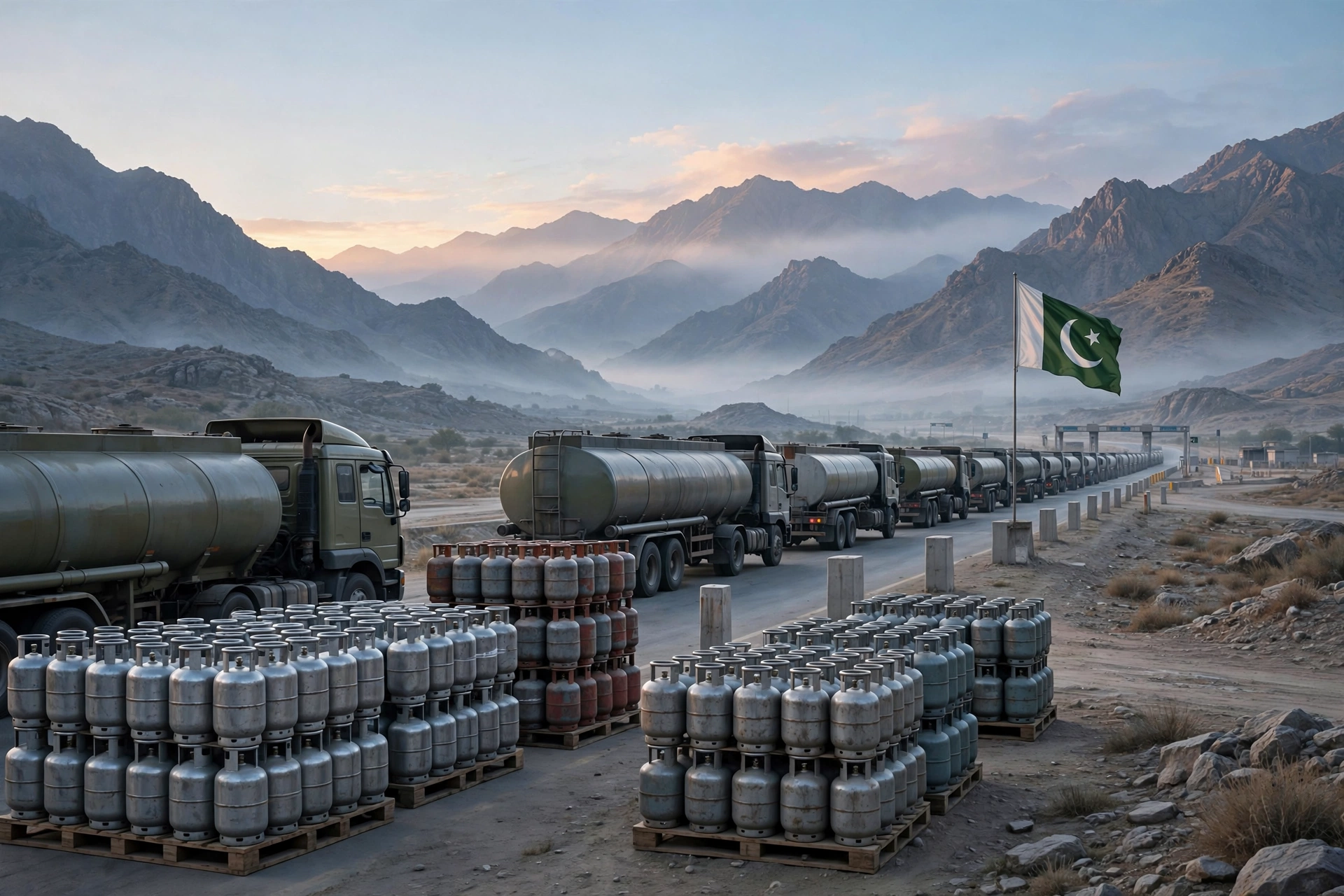

Pakistan has shut its two main land trade crossings with Iran, Gabd-Rimdan and Taftan, and if the halt lasts, households that cook on LPG could feel it in their wallets. Both governments say the suspension is temporary, but more than 4,000 tonnes of LPG reportedly arrive from Iran through Gabd-Rimdan every day, and traders are already warning that a long disruption could tighten local supplies and push retail prices up.
What was actually shut down
The Ministry of Commerce issued a memorandum on Friday, October 16, withdrawing its earlier order No. 9(3)2017-Iran dated October 3 with immediate effect. The result is that commercial trade through the Gabd-Rimdan (250) and Taftan border crossings is suspended. The directive gave no reason, Dawn reported, citing the memorandum.
Balochistan government adviser Shahid Rind said the purpose of the temporary closure is to address security concerns, prevent smuggling and make the border system more effective. He said high-level contacts between the two countries were progressing and that the border was likely to reopen soon, though he gave no date. Iran’s foreign ministry spokesperson Esmail Baghaei attributed the suspension to “technical issues” and “precautionary measures”, adding that authorities on both sides were in close contact and working to return operations to normal.
Why this matters for your gas cylinder
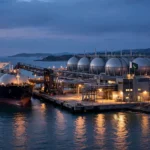
Iran is one of Pakistan’s main sources of imported LPG, and Gabd-Rimdan reportedly handles over 4,000 tonnes of the fuel every day. Domestic production does not cover national demand, so any interruption at the crossing feeds directly into the supply available in the market, especially in Balochistan, Karachi and parts of Punjab.
The timing matters because LPG is already expensive. The Oil and Gas Regulatory Authority (OGRA) notified Rs279.34 per kg for October, up from Rs258.64-65 per kg in September, driven by a 9.9% rise in the Saudi Aramco contract price. At that rate, an 11.8kg domestic cylinder costs Rs3,296.23, up Rs244.14 from the previous month. That price ceiling is valid until October 31, after which OGRA will issue a fresh notification. A supply squeeze now is exactly the kind of pressure that feeds into the next month’s notified price.
There is also a recent precedent. In June 2026, traders complained of prolonged clearance delays for LPG tankers at Gabd-Rimdan, coinciding with reported shortages and price complaints in Karachi and Punjab. Pakistan Customs disputed the disruption claims, saying it had cleared 748 LPG goods declarations covering 17,353 tonnes between June 1 and 8, but the episode shows how quickly border friction turns into a market problem.
The other side: rice exports and stranded cargo
The shutdown cuts both ways. Pakistani rice exports to Iran, which had surged in recent months, are now stranded along with hundreds of freight vehicles carrying LPG, fresh fruit and other goods on both sides of the border. Former Quetta chamber president Ayoub Miryani put losses in the billions of rupees. The Quetta Chamber of Commerce and Industry has advised its members to stop placing new import and export orders with Iran until further notice.
Passenger movement continues at Gabd-Rimdan, according to Iranian officials, so the halt is purely commercial. But every day the crossings stay closed, the backlog of perishable cargo grows, and exporters lose foreign exchange at a time when today’s USD to PKR exchange rate already puts pressure on import costs.
What to watch next
Two dates will tell you whether this becomes a household bill problem. The first is whenever the crossings reopen, which officials say is likely soon but has not been confirmed. The second is November 1, when OGRA issues its monthly LPG price notification. If supplies are still disrupted at that point, consumers should expect the impact to show up in the notified price.
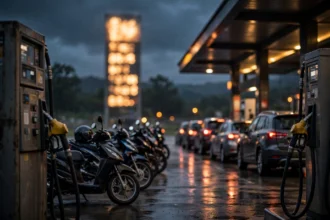
The shutdown also sits inside a bigger energy story: Pakistan is already staring at a winter gas bill that could cross $1 billion, and any new pressure on an alternative fuel like LPG narrows the government’s room to manoeuvre. Fuel costs are squeezing household budgets from several directions at once, from how daily petrol price changes now work to the levies loaded onto every litre.
What this means for you
For now, the October notified price does not change. But if the border stays closed through the end of the month, expect the November LPG notification to reflect tighter supplies. Households that rely on cylinders should watch local LPG prices over the next two weeks and consider refilling before November if prices start creeping up in their area.
The deeper lesson is that Pakistan’s fuel supply runs on thin margins. A single administrative order at a border crossing can ripple through to kitchen budgets within weeks. Follow Pakistan business and economy news to stay ahead of the next price notification.