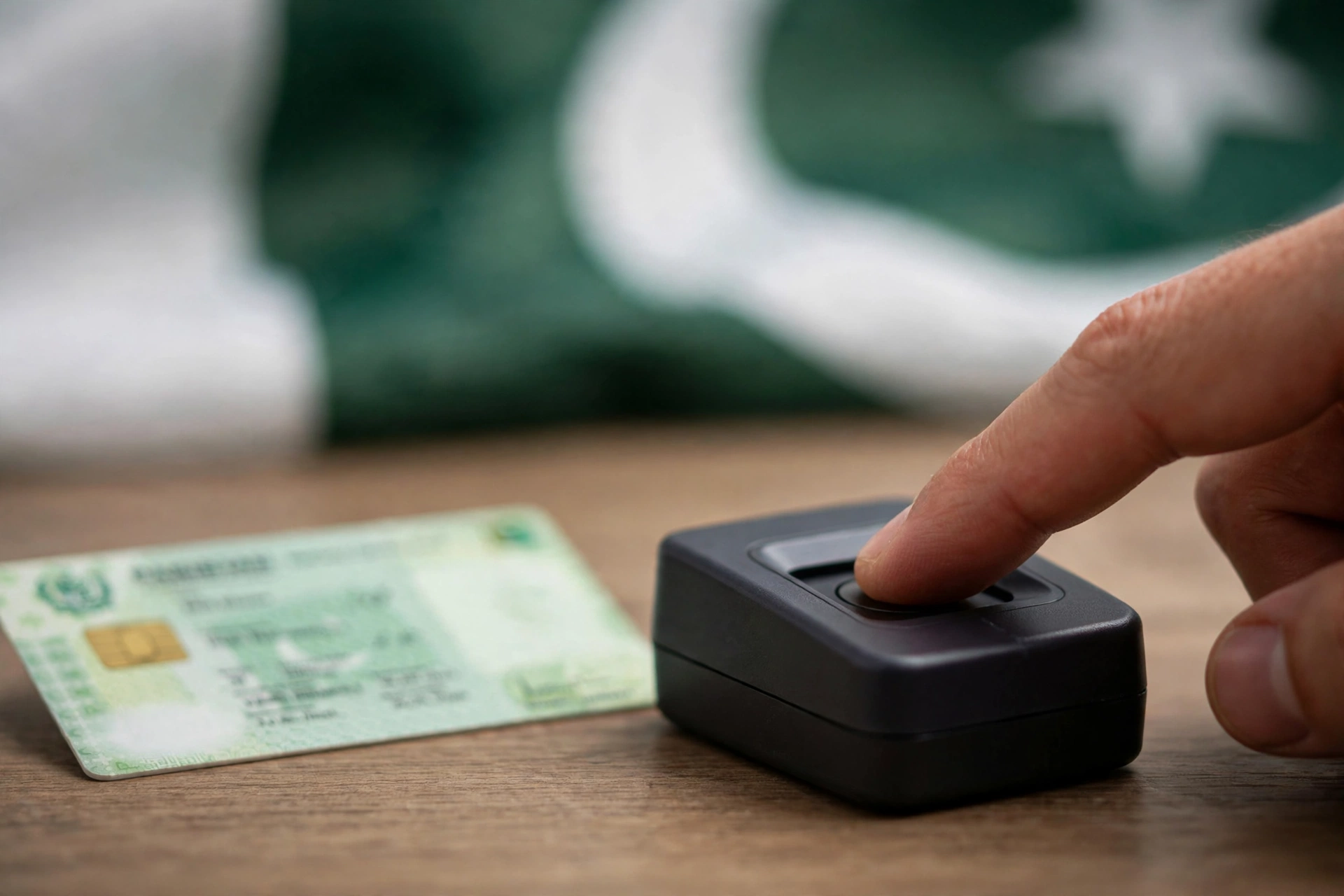

Minister of State for Interior Tallal Chaudhry told the Senate on Tuesday that the National Database and Registration Authority (NADRA) has blocked 138,166 computerised national identity cards (CNICs) in Balochistan after holders were found ineligible or had obtained them with forged documents. The disclosure, made in reply to a calling-attention notice, included 8,875 blocked cards in the Makran and Rakhshan divisions, and came with an assurance that regional review boards examine every objection and genuine cards can be restored. Senators, however, warned that ordinary families are already facing hardship, from closed bank accounts to entire family records being frozen.
Balochistan’s blocked-cards figure has nearly quadrupled since February
The scale of the current figure becomes clear against earlier official data. In February 2026, the Interior Ministry told the Senate that 195,000 CNICs had been blocked across the whole country over three years, with Balochistan accounting for 34,990 of them. The province’s tally now stands at 138,166, roughly four times that number, which shows how sharply the re-verification drive has accelerated this year. The February briefing also recorded that more than 46,000 blocked cards had been restored in the same period, with 130,885 blocked under Section 18 of the NADRA law and 64,225 on court orders.
Why NADRA blocks a card
According to the minister’s Senate statement, NADRA blocks identity cards nationwide when holders are found ineligible or to have used forged documents. He said some foreign nationals had obtained Pakistani CNICs with false papers, while others had been wrongly added to the family trees of Pakistani citizens. He added that most of the blocked cards in Balochistan had previously been acquired by Afghan nationals and that the exercise was meant to curb illegal registrations. The two divisions cover eight districts with a population of about 2.9 million, the minister said. At the same time, he stressed that every case was examined on merit, without targeting any particular nationality, tribe or region.
How the review and restoration process works
For families who believe their cards were wrongly blocked, the minister outlined a two-step remedy. Objections in each case are examined by a regional-level board, and a blocked CNIC can be restored once the objections are resolved. Cases that the board cannot settle are referred to a higher-level committee at NADRA headquarters. The minister also invited senators to refer specific hardship cases for review. The process matters because the card is demanded in almost every official transaction in Pakistan, from opening a bank account to registering a mobile SIM, a step explained in detail in our guide to SIM owner details in Pakistan.
Senators say genuine families are caught in the net
Raising the calling-attention notice, National Party parliamentary leader Senator Jan Muhammad Buledi said the blocking drive had left citizens in the border divisions facing severe difficulties. He pointed to Balochistan’s centuries-old family, social and trade links across the Iranian and Afghan borders, and said that when one member of a family is found in NADRA’s record to hold an Iranian document, the CNICs of the entire family are blocked. He also raised the case of Gwadar, where he said some locals still hold Omani citizenship from the area’s past under the Sultanate of Oman, and where closed bank accounts have deepened financial hardship. He demanded that each citizen’s case be reviewed separately and fairly, and asked the government to consider a dual-citizenship arrangement with Oman. The National Party, meanwhile, welcomed the crackdown and called for unlawfully issued cards to be cancelled rather than merely blocked.
What happens next
The immediate next step is the continued case-by-case review by the regional boards, with the minister’s open invitation for senators to send in specific cases. In the background, the legal framework itself is being tightened: in March 2026 a Senate panel approved a bill allowing NADRA to provisionally impound the CNICs of suspected individuals for up to two months while verification is completed. The CNIC also remains the base document for other identity papers, including Pakistan’s e-passport system, and identity documents are checked in related processes such as paying PTA tax on imported mobile phones. For continuing coverage of this story, follow our national news from Pakistan section.