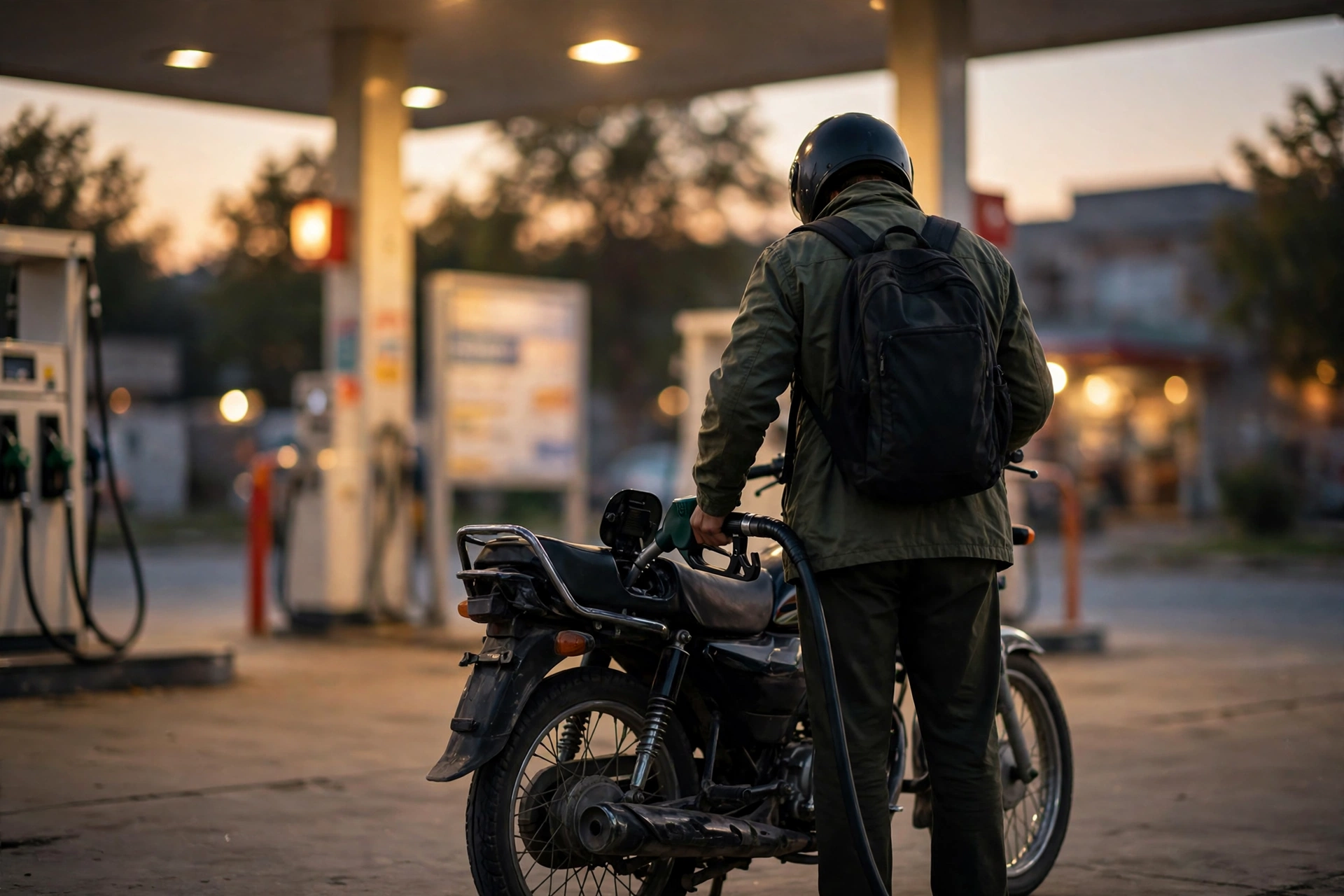

Prime Minister Shehbaz Sharif told his cabinet on Wednesday, November 4, 2026, to take strict action against petrol pumps not passing on fuel relief to customers, after complaints some outlets were withholding promised relief even as official prices fell. It is a compliance story, not a new price announcement.
The cabinet discussion followed a cut effective on November 4: petrol down Rs5.45 a litre to Rs369.06, and diesel down Rs3.68 to Rs391.52. The prime minister said a Rs15 a litre rise had been expected on Friday, but refineries had been persuaded to absorb it from windfall profits. If relief was agreed in Islamabad, why are some customers still not seeing it at the pump?
What the cabinet actually ordered
The prime minister directed the Ministry of Petroleum to act against the outlets involved, reports say, stressing that consumers should receive the benefit of government decisions. PenPK reports he urged close monitoring and enforcement of the new pricing structure; COW News adds the ministry must investigate complaints.
What the reports lack matters equally: no outlet named, no count of pumps sealed or delicensed published, and no deadline for a compliance report announced. Until a list or count appears, the order remains an instruction, not a proven result.
The numbers behind the relief claim
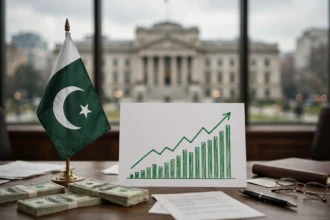
Three figures describe the same relief and must not be mixed up: the avoided rise of Rs15 a litre planned for Friday; the actual November 4 cut of Rs5.45 on petrol and Rs3.68 on diesel, taking petrol from Rs374.51 to Rs369.06; and the ministerial claim, reported by NewzTodays, of a Rs14.71 a litre benefit versus what prices might otherwise have been, with refineries absorbing an estimated Rs15 billion for the month.
Those figures sit on top of heavy tax: Rs114 a litre on petrol and Rs100 on diesel, over 30 percent of the petrol price, per The Standard. The September 13 small vehicle subsidy gives Rs100 a litre on up to 20 litres a month for motorcycles and rickshaws, and up to 30 litres for cars up to 800cc. Over 10 million benefit, the government says; Rs28 billion spent of Rs75 billion allocated. It runs until December end, the prime minister said, although the IMF has directed a prompt phase out.
This warning is not new
The strongest reason for caution is that a near identical order was issued eight months ago. On March 6, 2026, Pakistan Today reported the prime minister had ordered any pump creating an artificial shortage to be closed at once, its licence cancelled, and legal proceedings started, plus a real time petroleum monitoring dashboard shared with provinces.
That March meeting took place on the sixth day of the war between the United States and Israel and Iran, with Hormuz passage paralysed. Stocks were sufficient, the ministry said, but the finance minister warned the situation could worsen. Enforcement machinery was therefore set out in March. Wednesday’s instruction repeats the demand without explaining why it did not prevent today’s complaints.
Why pumps, dealers and protesters push back
Retailers have their own grievance. Daily price fixing since July 2026 replaced a weekly system from early March, which replaced fortnightly pricing before the conflict. The Standard reports both the All Pakistan Dealers Association and the Transport Goods Association have rejected daily pricing, the latter suspending a strike only after assurances of revision.
Jamaat-e-Islami has protested since August, demanding abolition of the petroleum levy, and its September 21 long march to Islamabad has since been suspended pending a meeting with the prime minister. No formal announcement abolishing the levy has been made. Winter fuel adds context, in LPG auctions replacing quotas in the Rs450 winter test and piped gas rationed to eight hours a day for winter. The pump story is different: whether a notified price is actually charged.
Three tests that will show whether this time is different
First, a count: how many pumps inspected, how many overcharging, how many sealed or delicensed. Second, a price check at pumps in several cities, not just Islamabad, of the November 4 notified prices, Rs369.06 for petrol and Rs391.52 for diesel. As the petrol pricing formula rewritten on November 2 explains, a daily price only helps if pump board and receipt match the notified figure that day.
Third, decisions on the levy and the subsidy. If the levy is abolished, kept, or reformed, and if the subsidy survives the IMF demand or ends in December as promised, those decisions will shape pump prices more than any warning. Readers can follow further coverage in more business and economy news from Pakistan. Until then, the fair summary is narrow: relief was announced, refineries were asked to absorb part of the cost, some pumps are accused of not passing it on, and action has been ordered.