
Pakistan has rewritten how it prices petrol, and the rewrite is narrower than the headline suggests. The federal cabinet approved a new motor spirit formula on October 30. It changes how imported petrol is priced and freezes one part of refinery pricing for 30 days. It does not cut the Rs80 petroleum levy, it does not touch diesel, and it does not yet promise a named cut at the pump.
What changed, in two moves
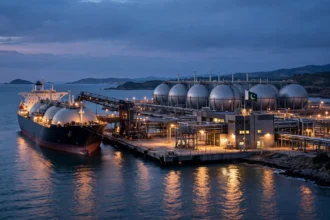
First, imported petrol. The import price will now be set from the actual import cost of the relevant Pakistan State Oil cargo, or, if that cost is unavailable, from the premium, incidentals and customs duty of the last available cargo. The change applies specifically to motor spirit, or petrol; all other pricing parameters remain unchanged, according to Petroleum Division documents cited by Geo News.
Second, local refineries, for 30 days only. The premium, incidentals and customs duty used to calculate the ex-refinery price will be fixed at March 7, 2026 levels, before the Iran-US war. Refineries must surrender the difference between the import price and their ex-refinery price under the petroleum levy head of account, coded C03901, and report daily sales with deposit records to the Petroleum Division and OGRA for verification. The government says the benefit will reach petrol consumers only through a price reduction, but no per litre figure has been announced.
The $6.882 premium gap, in plain numbers
The Petroleum Division figures explain why the government acted now. The petrol premium stood at $19.880 per barrel between October 17 and 27, against a calendar year to date premium of $12.998 per barrel. The difference is $6.882 per barrel. The benefit from that differential has been incorporated into petrol prices at $2.950 per barrel per day, to smooth prices.
Read those numbers carefully. The $6.882 figure is a premium gap, not a pump price cut, and $2.950 is a daily smoothing rate, not a promised fall per litre. Converting the barrel gap straight into a rupee cut without the exchange rate, cargo volume and levy treatment is guessing. The Rs80 levy remains unchanged and separate from this adjustment.
Why diesel drivers get nothing from this change
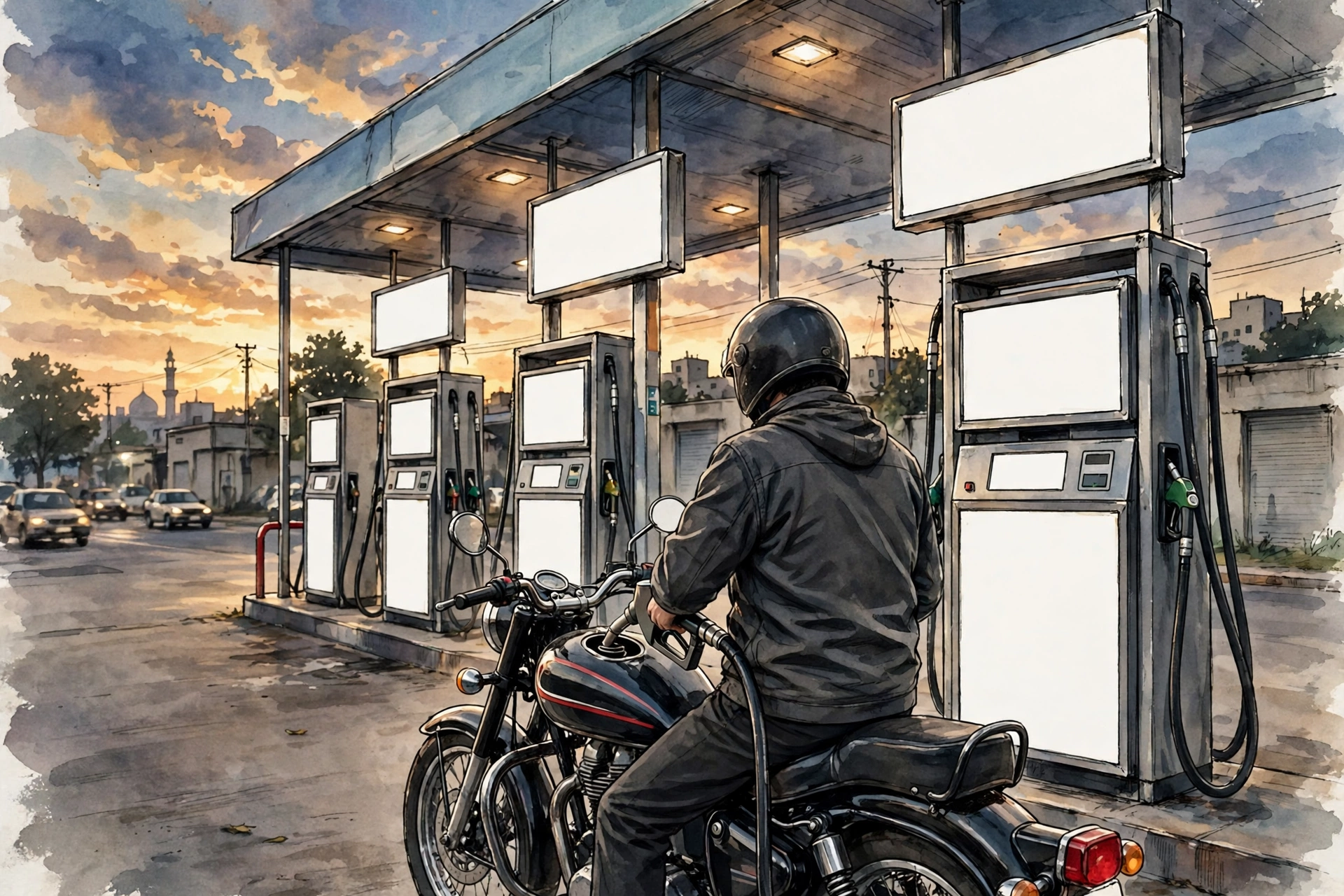
The second split is between fuels. Petrol stands at Rs377.91 per litre and high speed diesel at Rs402.96 per litre under the prices in force from October 31 to November 2, a gap of Rs25.05 a litre. Diesel rose by Rs2.29 a litre in that notification, while petrol was unchanged. The new formula does not change that picture, because it covers motor spirit only.
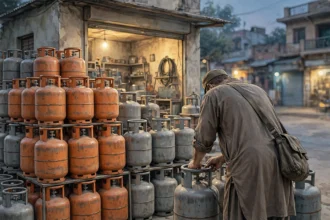
That exclusion matters. Diesel powers trucks, buses, tractors and generators, so its price reaches households second hand, through freight, fares and food prices. Petrol mostly powers cars and motorcycles, so its buyers feel a change directly. The squeeze is wider still: households face three LPG prices in November, from Rs294 to Rs630 a kilo, and NEPRA holding its Rs2.56 fuel decision for November bills leaves electricity bills unsettled too. The diesel precedent is clear from diesel crossing Rs400 a litre on October 30.
The 30 day clock is the real test
A 30 day freeze is a test with an expiry date, not a permanent fix. The first test is the next OGRA daily notification: does petrol move in line with the actual PSO cargo cost, or does it still look like the old averaging arrangement?
The second test is the paper trail: if deposit records are published in usable form, the surrender is verifiable; if they stay inside the Petroleum Division and OGRA, the public must trust a mechanism it cannot audit. The third test is expiry: does the premium return to the war level, is the freeze extended, or is it replaced permanently? A quiet lapse would hand back the premium it was designed to cap.
What to watch at the pump this week
For now, pump numbers are unchanged from the weekend notification: petrol Rs377.91 and diesel Rs402.96, in force through November 2. The next daily revision is where the new formula should first show up. A small, explained move tied to a named cargo cost would show it working; no move, or a move with no cargo explanation, would show it is not.
Watch also for the first refinery deposit figures and for a clear statement on whether the 30 day clock runs from October 30 or from November 2. That detail decides the expiry week. Until the first notification and deposit record appear, the summary stands: Pakistan has fixed the petrol pricing ruler for a month, kept the Rs80 levy, left diesel out, and promised the refinery difference will reach petrol buyers. For the latest business and economy news from Pakistan, track the petrol price that follows the gap, not the gap alone.