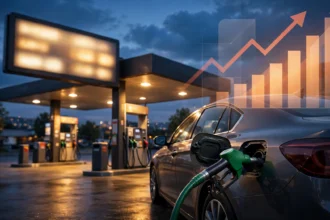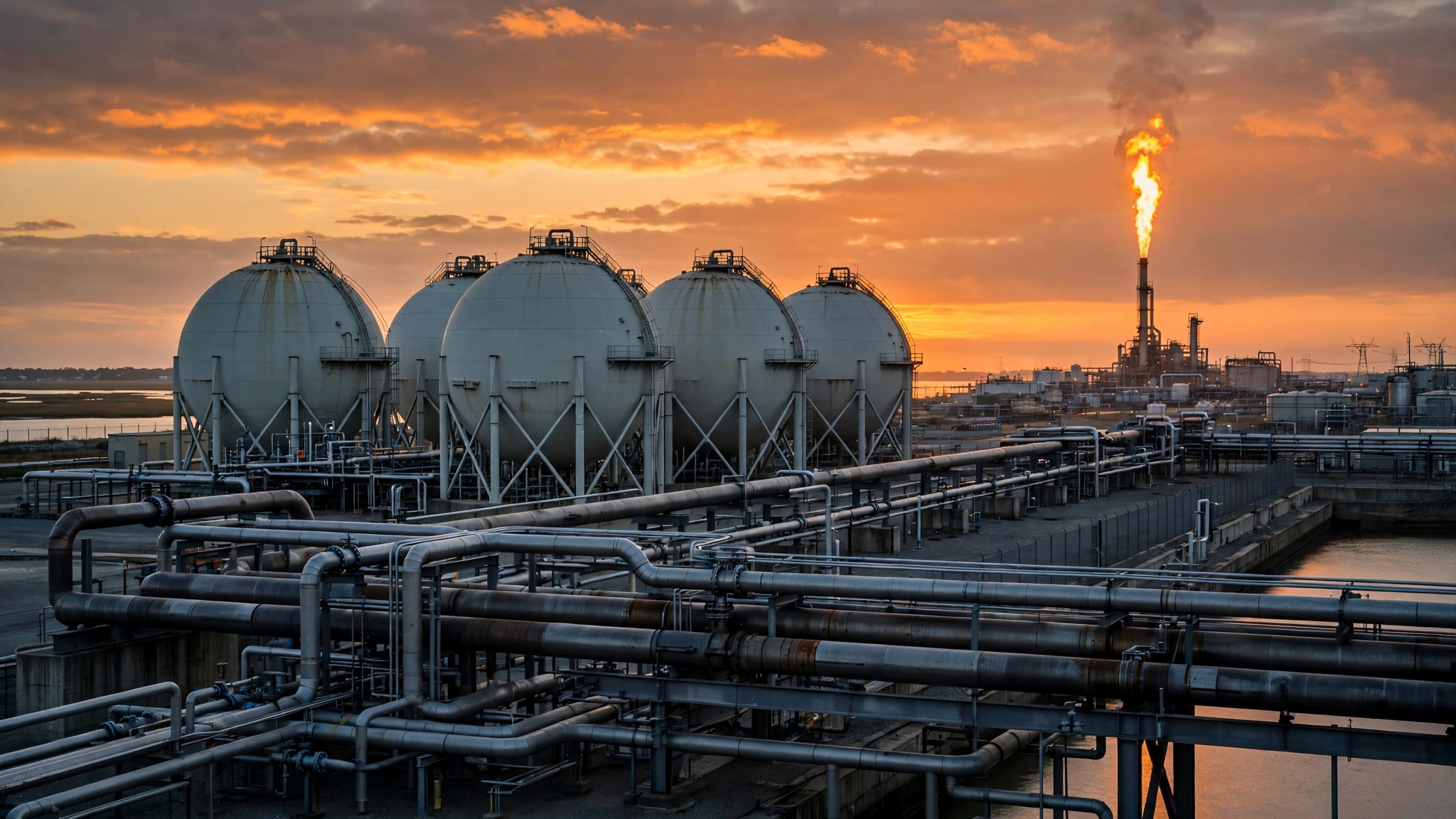

Pakistan’s two gas companies have asked the regulator for two very different price rises. Sui Northern Gas Pipelines Limited, known as SNGPL, wants its average prescribed price raised by Rs10 per million British thermal units, to Rs1,712.40. Sui Southern Gas Company, known as SSGC, wants Rs366.75 more per unit, to Rs2,071.75. Both want the new prices backdated to 1 July 2026. Neither changes a household gas bill on its own. The gap between the two asks is the story.
The two asks, side by side
SNGPL serves Punjab, Khyber Pakhtunkhwa, Islamabad and Azad Kashmir. It asks the Oil and Gas Regulatory Authority, OGRA, to raise its average prescribed price from Rs1,702 to Rs1,712.40 per MMBtu, about 0.6 percent more. SSGC serves Sindh and Balochistan. It asks for Rs366.75 more per MMBtu, to Rs2,071.75, about 21.5 percent more, on a base of Rs1,705 by PakMirror’s arithmetic. The two prices sit Rs359.35 apart, though both buy gas in the same country and face the same winter. The prescribed price is the rate OGRA sets so a company can meet its estimated revenue requirement. It is not the price printed on a household bill.
The July comparison
The asks look stranger against OGRA’s decision four months ago. In July, the regulator set SNGPL’s prescribed price at Rs1,718.96 per MMBtu and SSGC’s at Rs1,691.24 for 2026-27. SNGPL now asks for Rs1,712.40, Rs6.56 below its July figure. SSGC asks for Rs2,071.75, Rs380.51 above its July figure, about 22.5 percent more.
One company asks for slightly less than the regulator already allowed, while the other asks for more than a fifth above it. Both claims will be tested at hearings yet to be scheduled. It has already listed a hearing notice dated 11 November for SNGPL’s review of its revenue requirement and prescribed price for 2026-27.
Why your bill does not change yet
A prescribed price reaches a bill only after two more steps: OGRA determines the price, then the government advises category-wise sale prices for OGRA to notify. Until the government acts, household tariffs stay where they are. July proved the point: OGRA cut both prices, yet the government kept consumer tariffs unchanged, and the 1 July 2025 notification is still the newest on the books.
That precedent cuts both ways: today’s petitions raise no bill by themselves, but a higher prescribed price does not disappear. If OGRA accepts it and tariffs are later notified higher, the gap lands on consumers. If tariffs are held again, it lands on the gas sector’s unpaid bills.
What is driving the asks
Both blame the same pressures: higher crude prices, falling domestic output from ageing fields, and uncertainty over LNG shipments from Qatar. SNGPL has put a number on part of its claim: Rs60.147 billion in LNG service costs at Rs471.16 per MMBtu, with 16 cargoes needed in winter. The Petroleum Division estimates 24 cargoes for winter demand on the SNGPL network, including power generation.
In August, OGRA raised re-gasified LNG prices by up to 34.6 percent for July, after only five cargoes arrived that month. Imported gas sets the price of a growing share of what Pakistan burns, so a thin month of cargoes feeds into the next petition. The same pressure sits behind the energy bill: petrol has fallen to Rs335 a litre after seven cuts in ten days, yet gas companies ask for more, because petrol follows Brent day by day while gas follows long contracts and the regulator’s calendar.
The winter behind the numbers
The petitions arrive in a winter already managed by rationing. Since September, household gas has been restricted to cooking hours because the network cannot meet round-the-clock demand. A winter plan for November 2026 to February 2027 gives households priority, while industry, captive power, fertiliser and CNG supplies face curtailment if shortages deepen.
The financial strain is just as large: gas circular debt rose by Rs344 billion to Rs3.631 trillion by 30 June 2026, per Petroleum Division figures given to the National Assembly. The petitions ask for prices from 1 July, so every month of deliberation adds to the shortfall. LPG has already hit a record Rs600 a kilo for households without pipeline gas, and Pakistan’s $1bn winter gas equation is the same problem in a different fuel.
What happens next
OGRA will hold hearings before any determination, and any consumer price change depends on the government’s decision after that. A Senate bill introduced on 30 October would move determinations to a quarterly cycle. It has been introduced, not passed.
The numbers to watch are Rs1,712.40 and Rs2,071.75. One is a rounding adjustment. The other is a fifth more than the regulator allowed in July. The hearings will decide whether either survives scrutiny, and the government whether households ever see the difference. More business and economy news from Pakistan