
From Monday 16 November, every payment made through a government Asaan Assignment Account in Pakistan will go through Raast, the State Bank’s instant payment system. Drawing and disbursing officers have been trained, and cheque payments through these accounts stop on Sunday 15 November. The change was confirmed at a Finance Division meeting in Islamabad on Thursday, chaired by Minister of State for Finance Bilal Azhar Kayani. At the same meeting, the State Bank was told to prepare a working paper for the Raast QR merchant discount rate, so the fee shopkeepers will pay on each digital sale is still undecided, even as the government moves its own payments onto the system.
What changes on Monday
Asaan Assignment Accounts are the accounts government departments use to release payments across the country, and from Monday every payment under them will go through Raast instead of by cheque. The meeting followed Prime Minister Shehbaz Sharif’s Cashless Pakistan meeting last Friday, and brought together the Finance Division, the State Bank, the IT ministry, NADRA and the Pakistan Digital Authority, plus banks and payment firms.
Cashless Pakistan was launched in June 2025 under the Prime Minister, built on three aims: easier payments, more transparency, and documenting the economy through digital payments. The Finance Division has had a busy week: sovereign Sukuk issuance crossed Rs10 trillion this year, the finance minister said on Thursday.
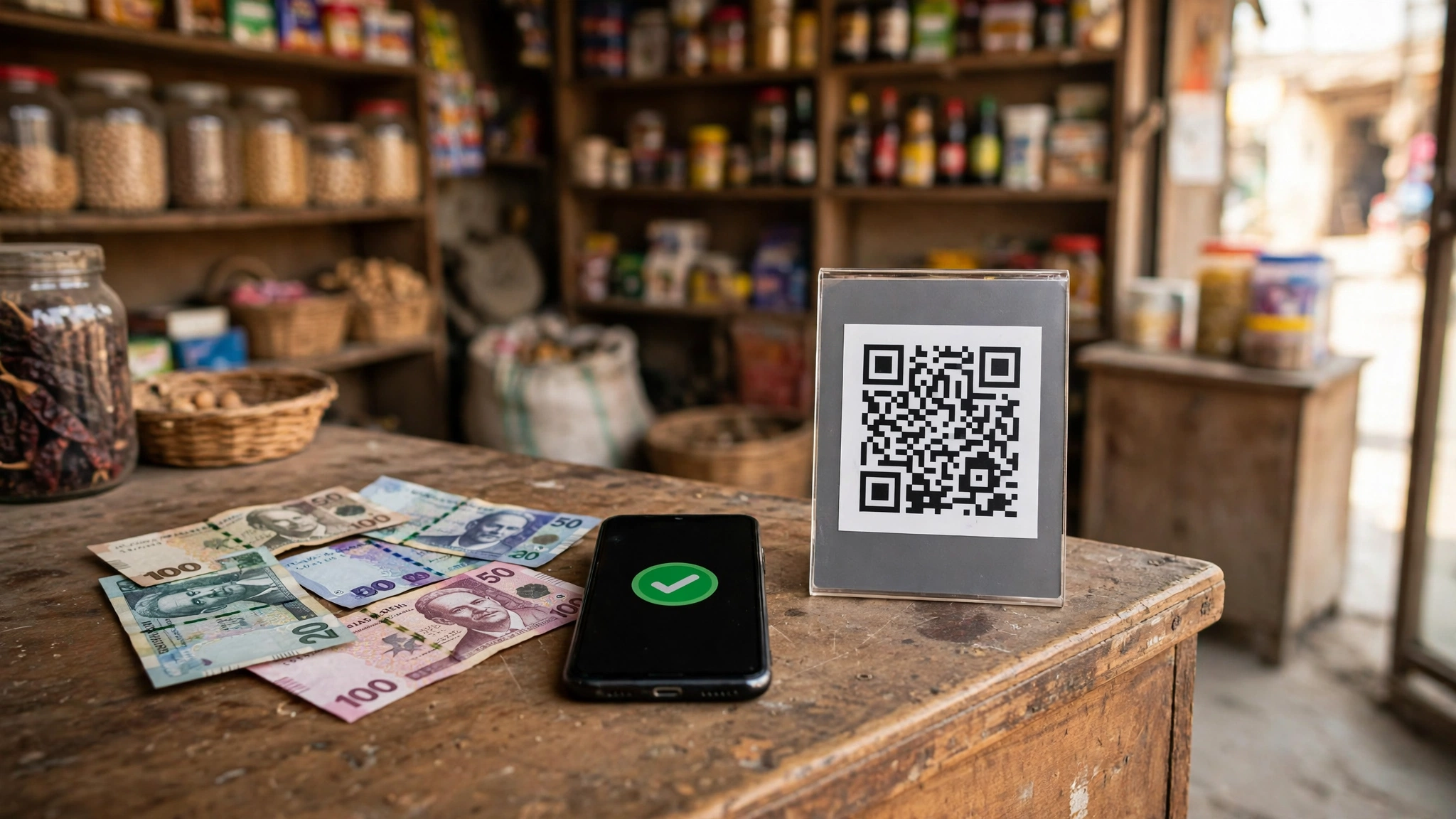
Raast is the State Bank’s instant payment system. It moves money between bank accounts and digital wallets in real time, at no cost to the user, and its QR code lets a merchant accept payment through a simple scan, which is why the rollout also features in technology news from Pakistan.
The numbers behind the push
Active merchants accepting digital payments have grown from 500,000 to 2.03 million, a fourfold rise credited to the Cashless Pakistan measures. Overall digital payment volumes have doubled in one year, and annual digital transactions have risen from 6.9 billion to 11.3 billion.
Raast QR codes now sit on more than 45 million gas and electricity bills, so households can pay from home, and every NADRA centre accepts Raast QR payments. Digital banking users have passed 135 million, financial inclusion has reached 69 percent, and Benazir Income Support Programme beneficiaries already receive all payments digitally.
The same strategy channels remittances through digital routes, which makes the USD to PKR exchange rate today a figure more households now follow.
The fee question no one has answered
The merchant discount rate, or MDR, is the small fee charged when a customer pays digitally. Who bears it, the shopkeeper, the bank, or the customer, decides whether a small merchant keeps the QR code on the counter or goes back to cash. That question is still open: the State Bank has only been asked to prepare a working paper so the scheme can be approved, and neither the rate nor the start date is settled.
Kayani will separately meet bank chiefs in Karachi about their part in expanding digital payments. Until the fee framework is approved, the 2.03 million merchant figure rests on a system whose cost to the merchant is not yet fixed.
The minister’s own warning about the numbers
Kayani also warned that the dashboard tracking the drive must show accurate, validated, and non-duplicated data, capturing the value of payments as well as the volume, and the number of unique account users, so one person counted on two apps is not reported as two people. The State Bank has been asked to look at outcome-based indicators too, including the ratio of payments processed through the real-time gross settlement system to GDP.
That caution matters because the headline figures could be revised once counting is tightened. A total that double-counts the same person looks stronger than it is, and the minister’s instruction shows the government knows it.
What to watch next
Twenty-five high-impact federal and provincial entities have been identified for complete digitisation through Raast by December, when most government departments are expected to finish. Officials have presented a phased 12-month roadmap covering approval, design, execution, and independent assessment, so an outside check will test whether targets are genuinely met rather than only reported as met.
Three sub-committees run the work: digital payments innovation and adoption led by the State Bank Governor, digital public infrastructure led by the IT minister, and digitising government payments led by the Finance Secretary. The Prime Minister has also stressed that internet access across the country must be ensured if a cashless economy is to work. There is no single date for a fully cashless Pakistan, but Monday’s switch is the first hard deadline in the plan, and it arrives before the merchant fee has even been drafted. More business and economy news from Pakistan.