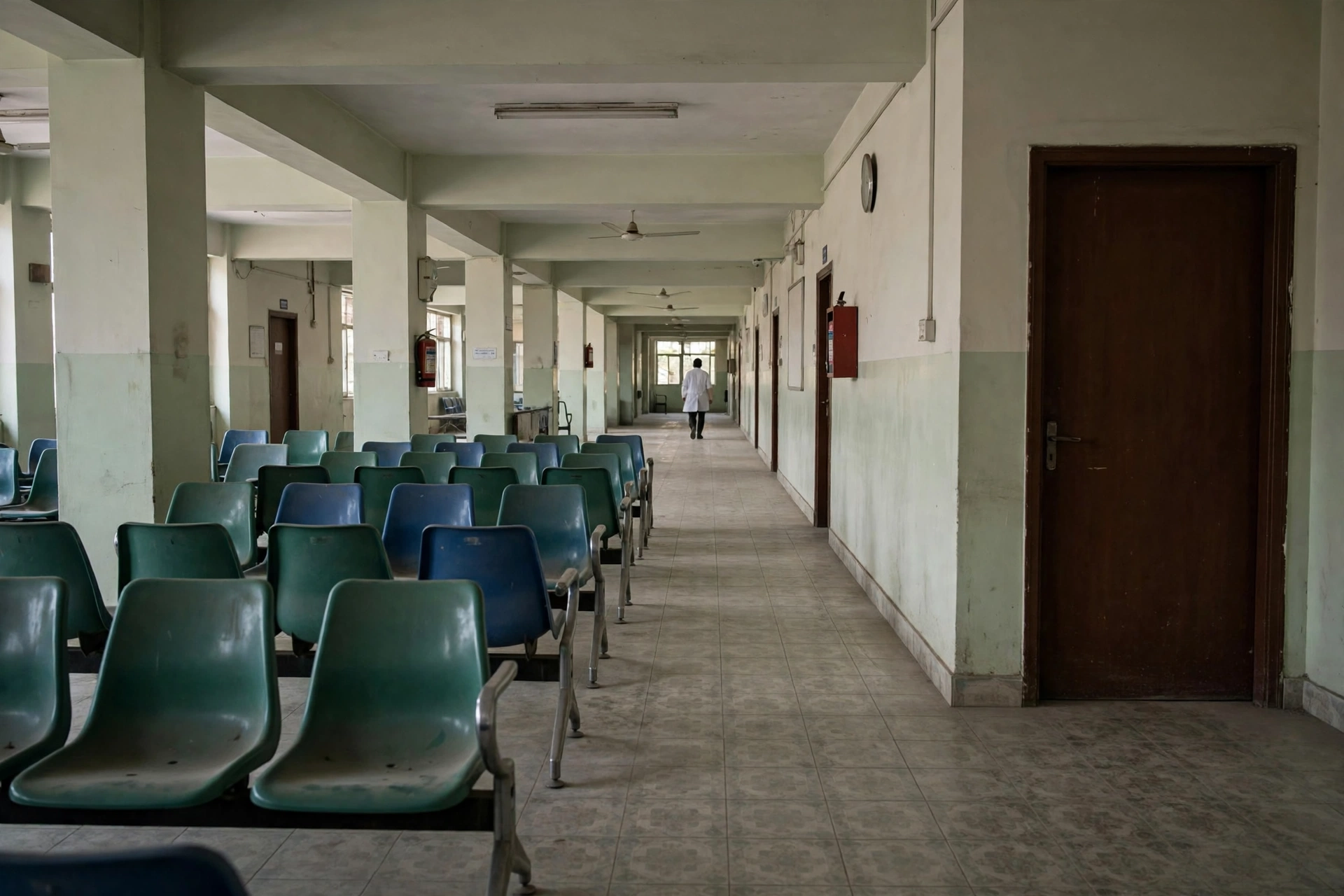

Doctors across Pakistan began a two-day nationwide strike on Sunday, November 1, 2026, suspending outpatient departments, elective surgeries and routine diagnostics at public and private facilities. Emergency services at government hospitals stay open, the Pakistan Medical Association (PMA) says. The stoppage follows a November 1 deadline set at the profession’s October 11 convention in Gujrat.
What stops today, and what stays open
The PMA Central Secretariat has called for the suspension of outpatient departments (OPDs), elective surgeries and routine diagnostics for November 1 and 2, at public and private facilities alike. PMA Punjab backs the call with a circular saying clinics and hospitals will be closed on both days, the Young Doctors Association (YDA) Sindh announced full support on October 31, and Balochistan’s PMA announced its own province-wide strike from November 1 over FBR taxation.
What stays open matters as much as what stops. The PMA states emergency services at government hospitals will keep operating, so urgent cases should still go to an emergency department. But disruption at each hospital depends on how fully its doctors observe the call, so routine patients should confirm before travelling.
Four grievances, not one dispute
Tax is the oldest grievance, but only one of four.
First, taxation. The PMA objects to the FBR’s mandatory Point of Sale (POS) integration for medical practitioners, notified on February 18, 2026, and to treating consultations as retail transactions. Its case is that medical services are not subject to sales tax, and that the notification singled out medical professionals while leaving other professional services out. The row sharpened after FBR on-site monitoring began in December 2025 and raids at Punjab clinics drew protest in January 2026. The row centres on the same FBR whose October 31 filing deadline drew 7.3 million returns.
Second, criminal cases. At PMA House Karachi on October 29, PMA leaders said doctors face criminal cases, including under Sections 302 and 322 of the Pakistan Penal Code, after complications and deaths. PMA secretary general Dr Abdul Ghafoor Shoro argued such cases need assessment by a certified and independent medical board first, and demanded an end to direct FIR registration against doctors and a Healthcare Professionals Protection Act. PakMirror has documented the same pattern: 97 cases showed how legal action replaced violence against journalists. For doctors the complaint is identical: the process, not the verdict, does the damage.
Third, workplace security: police raids, arrests and public violence, with a demand for institutional, legal and physical security at healthcare facilities. Fourth, regulation and young doctors: the Gujrat convention opposed Punjab Healthcare Commission fines at first licensing inspections, preferring guidance over fines, and demanded reinstatement for young doctors hit by dismissals and cancelled training.
How a tax row became a two-day shutdown
The escalation has a clear ladder. On September 30, the PMA shut private OPDs and routine diagnostics over the POS system and retail treatment of medical services. On October 11, about 500 professionals met at the All-Pakistan Doctors Convention in Gujrat, where PMA Centre and its branches joined the YDA, PIMA, PAFP, PHA and PDA in resolutions on taxation, regulation and young doctors rights. The convention set November 1 as the deadline for policy changes, warning of phased closures if it passed unmet.
The October 31 statements from YDA Sindh and PMA Punjab turned that warning into a dated two-day action, after Dr Shoro’s pre-deadline letter to the prime minister went unanswered. The next date on the calendar is November 28, when the PMA Central Council decides the next course of action.
What patients should do today
For patients, the advice is narrow. If your appointment is routine, a follow-up or a planned test, call first and expect postponement to November 3 or later. If you need urgent care, go to a government hospital emergency department and do not let the strike delay an emergency. Keep prescriptions and test reports together for faster rebooking.
The cost of a missed appointment is not abstract. With 29 percent of Pakistan now below the poverty line, a wasted trip costs bus fare and a day’s wage, and a private visit bought to replace a free OPD appointment costs money many households do not have.
Three tests before November 28
Three checks will settle whether this ends in two days or runs longer. First, the government response: consultation, a POS review, or an FIR safeguard during or just after the strike. Second, compliance: do clinics and OPDs stay shut on both days, or thin out on day two? Third, November 28: does the Central Council escalate toward an indefinite shutdown, as warned in February, or trade the action for a negotiating table? Judge the dispute by what patients experience on Monday. For more national news from Pakistan, follow the November 28 meeting and any FBR response.