
Punjab launched its biggest economic promise in years on October 30, 2026: Rs1,995.3 billion of investment, $6.8 billion in extra exports, 162,000 direct jobs and a better life for more than one million people by 2029. The Punjab Innovation for Value, Opportunity and Transformation plan, known as PIVOT, will train 402,060 people for those 162,000 direct jobs. That is 2.48 trainees for every direct job, and direct jobs cover only 16.2 percent of the one million people the plan says it will help. PIVOT must therefore be judged not by its launch totals, but by how many trainees actually land work.
What was launched
Chief Minister Maryam Nawaz launched PIVOT in Lahore on Friday, October 30, along with the STEP portal. The Punjab cabinet had approved the programme’s key features on October 19. The plan runs from 2026 to 2029 and aims to move Punjab from raw output to finished, higher value goods. Delivery sits with a PIVOT Board chaired by Senior Minister Marriyum Aurangzeb, a secretariat in the Planning and Development Department, and a central dashboard with an industry scorecard. Chief Secretary Zahid Akhtar Zaman said it would become operational within six months, so the first test falls in spring 2027, not 2029.
The training first test
Divide 402,060 trainees by 162,000 direct jobs and the result is 2.48. That ratio stops the training target being read as a jobs target. Training covers digital skills, IT internships, certifications, start-up incubation and factory skills. Some trainees will start businesses or join supply chains not counted as direct jobs. That creates a reporting duty. If the dashboard only counts people trained, it will look successful even if placements lag. The honest measure is conversion one year after training: direct job, indirect job or viable business. The same logic applies to the one million figure, which The News reported as an improvement in the quality of life of one million people, not one million jobs. Direct jobs explain 162,000 of them. The remaining 838,000 must be reached through indirect work, family income or entrepreneurship, and reports should say which route, in what share.
Where the money actually goes
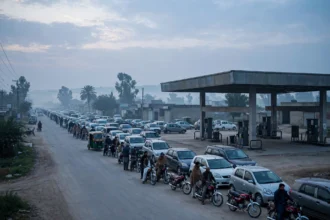
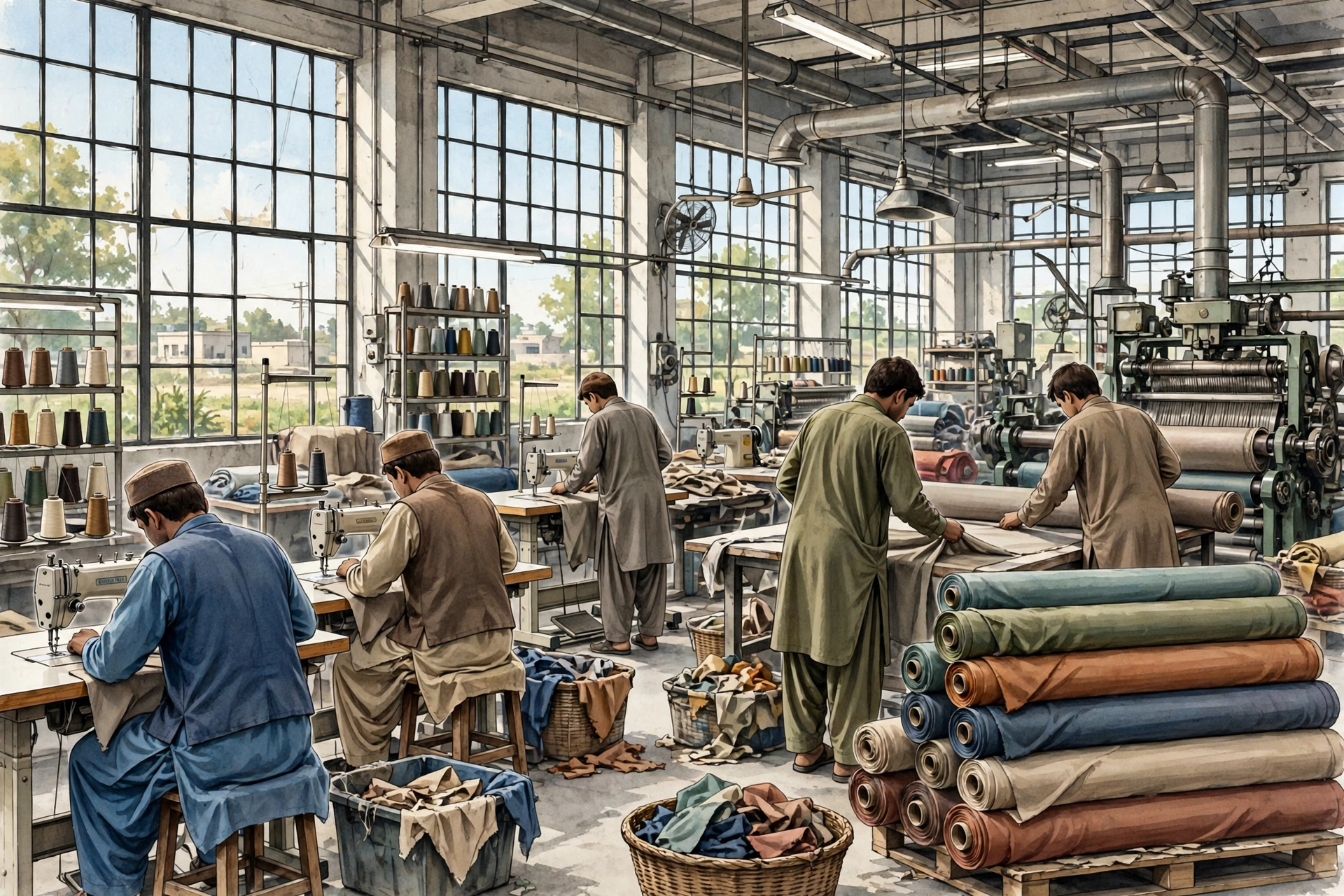
Industry gets Rs753.7 billion, or 37.8 percent of the total, leaving most of the programme outside a single industry line. Inside it, Rs50 billion is earmarked for solar installations and battery energy storage systems, and another Rs50 billion for machinery duty reimbursements, together 13.3 percent of the industry allocation. STEP adds Rs300 billion of concessional financing at rates from zero to five percent, equal to 15.0 percent of the total. Four specialised agro-processing parks are planned in Sargodha, Khanewal, Okara and Bhakkar, for processing and cold storage. Named sectors include garments, sports goods, leather, surgical instruments, pharmaceuticals, fans, cutlery, steel and ceramics. Energy links this to household costs: the Qatar gas halt runs to December 29, and households already face three prices for one LPG cylinder in November. Spread evenly, it averages Rs665.1 billion a year, but no year by year schedule was seen in launch reporting.
The private money question
Public investment is Rs1,089 billion, or 54.6 percent of the total, while expected private investment is Rs906 billion, or 45.4 percent. An export led plan therefore starts with a public majority. The private share must still be won, and published reporting does not name its commitments. The first annual report should list signed commitments separately from targets. The credit backdrop explains the cheap money offer: State Bank Governor Jameel Ahmad told the launch that SME financing had reached Rs1.1 trillion by June 2026, as reported by Dawn. Small firms also have a new route from today, since SME loan applications go fully digital from November 1 through SMEConnect. STEP must be clear about who it serves beyond SMEConnect and bank lending. Note also that Rs1,995.3 billion divided by 162,000 is about Rs12.3 million per direct job in total programme investment, not a salary or subsidy.
Three tests before 2029
First, watch the six month window. Is the dashboard live, are STEP rules and first loans published, and do the four parks have start dates? Second, watch private money and exports together. Are named commitments published, is the $6.8 billion target split into annual steps, and do sectors report shipments rather than announcements? Third, watch training conversion. How many trainees are placed or self employed, and does the scorecard publish that split by district and sector? If PIVOT passes those tests, 2.48 trainees per job will look like a pipeline. If it only reports money announced and people trained, the ratio will look like a warning. For the latest more business and economy news from Pakistan, the number to track is not Rs1,995.3 billion. It is 2.48, and what happens to the trainees behind it.