
Pakistan has 17 non-career ambassadors and high commissioners posted abroad, and nine of them are retired senior military officers. That is what Foreign Minister Ishaq Dar told the Senate in a written reply made public on October 21. PakMirror went back through a decade of the Senate’s own records and found something striking: in December 2016, the Senate was told the exact same number, 17, with eight retired officers from the armed forces among them.
The 2026 disclosure
According to CNN-News18, which reported the disclosure on October 21, Dar’s written response came in answer to a question by Senator Muhammad Talha Mahmood, who had asked for the names, experience and places of domicile of non-career diplomats posted abroad, along with the procedure followed for their appointments. The reply says the 17 envoys include retired army generals, an air marshal and a vice admiral, posted across the Middle East, Africa, Europe and Asia. The report notes the appointments have raised questions about merit, professional diplomatic experience and the military establishment’s influence in posts traditionally held by career diplomats.
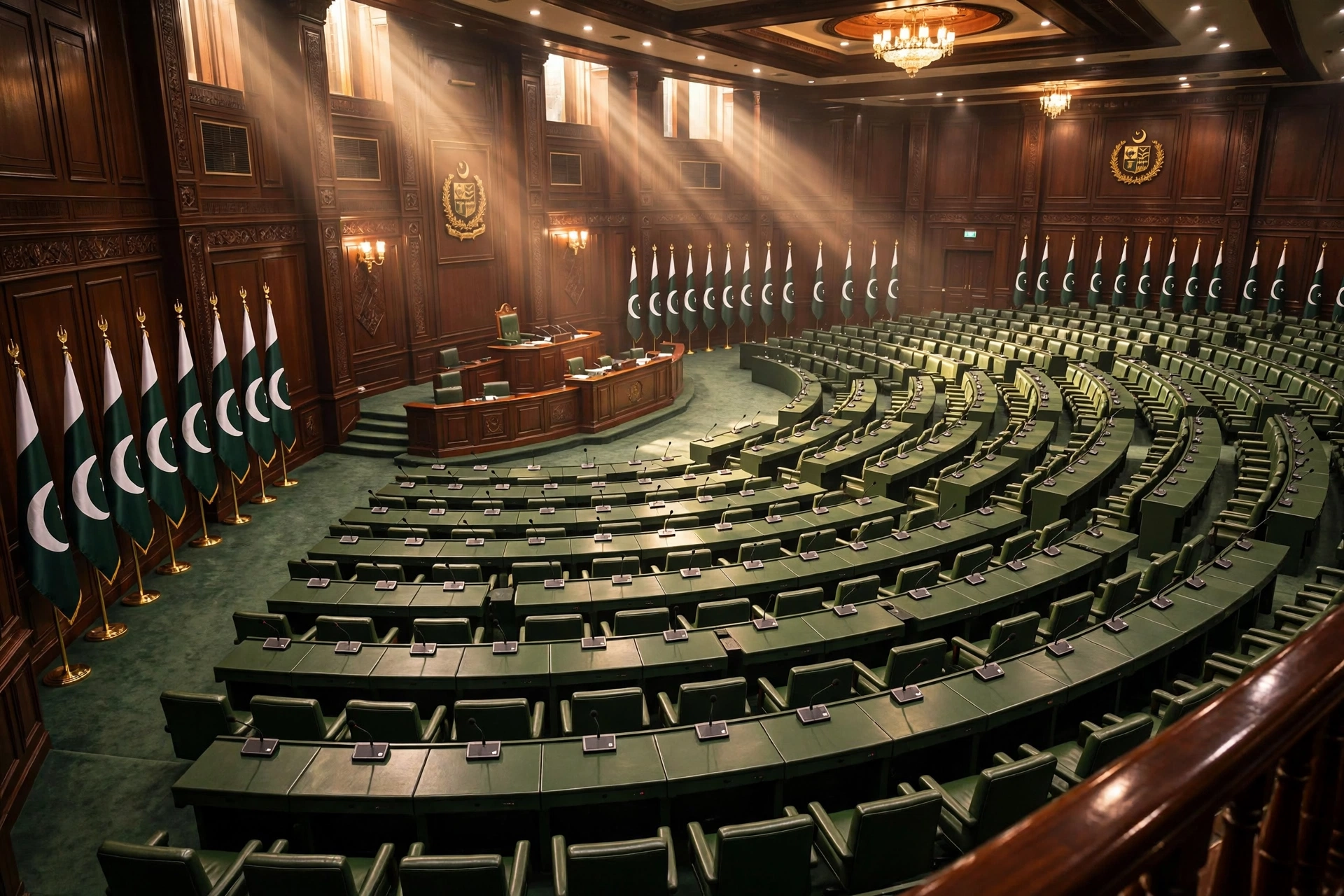
The written reply landed in a Senate that has been unusually active this month, having also passed the Senate’s blue passport bill for former lawmakers.
The 2016 ledger: the same number, a different Senate
On December 22, 2016, The News reported that Adviser to the Prime Minister on Foreign Affairs Sartaj Aziz told the Senate that 17 non-career ambassadors and high commissioners were working abroad, including eight retired personnel from the armed forces. The reply came during question hour in response to PTI’s Senator Muhammad Azam Swati.
Aziz also gave a provincial breakdown that is absent from the 2026 account: 11 appointees from Punjab, three from Sindh, and one each from Khyber Pakhtunkhwa, Islamabad and Azad Jammu and Kashmir. The published list named every posting, from Washington and Beijing to Colombo, Nigeria, Amman, the Maldives, Damascus, Ukraine and Bosnia Herzegovina. Among the uniformed names were three lieutenant generals, three major generals, a vice admiral and an air marshal.
The dip in between: 2019 and the 20 percent rule
In May 2019, the number looked very different. Business Recorder reported that Foreign Minister Shah Mehmood Qureshi told the Senate that 10 non-career diplomats were posted abroad, including seven retired top officers from the armed forces, alongside three civilians: Masood Khalid, Dr Maleeha Lodhi and Qazi M. Habibullah.
Qureshi also explained the institutional rule behind the practice: non-career diplomats are appointed by the prime minister as ambassadors and high commissioners from various walks of life against a 20 percent quota fixed for the purpose. Minister for Parliamentary Affairs Azam Swati told the House that a committee had been formed to monitor the performance of non-career diplomats, who he said were appointed on the basis of qualification and ability, and to judge whether the practice was fruitful or needed improvement.
The 2026 round that filled the posts again
In April 2026, The News reported, citing official documents, that the government had appointed 15 non-career ambassadors on contract, drawn from civil society and the armed forces. The postings stretched from Nigeria, Jordan, Turkiye and Turkmenistan to Sri Lanka, Syria, Qatar, Ukraine, the Maldives, Niger, Cambodia, Morocco, Libya and Poland. The same report noted that in 75 countries, Pakistan’s ambassadors remain career diplomats who entered through the competitive FPSC examination. Dar’s October reply puts the serving total back at 17, with the retired military share at nine.
The numbers landed while Pakistan’s diplomacy was visibly busy on several fronts, from Munir’s Tehran shuttle diplomacy to Pakistan’s SCO chairmanship bid.
The pattern in the numbers
Read together, the three Senate disclosures trace a clear pattern. The headline number swings, 17 in 2016, 10 in 2019, 17 again in 2026, but the retired military component never leaves: eight of 17 in 2016, seven of 10 in 2019, and nine of 17 now. The uniformed share has held between roughly half and two-thirds of all political appointments across three governments and a decade.
Senator Talha Mahmood’s question also pressed the government on the procedure for these appointments, the same procedure question that has followed every such disclosure for years. What the replies establish is the ledger. What they do not settle is the merit debate flagged by CNN-News18: whether a fifth of Pakistan’s ambassadorial posts, filled by prime ministerial pick rather than the Foreign Service examination, is serving the country’s diplomacy.
What happens next
Dar’s reply was a written answer, so the Senate now has the names, experience and domicile details on record. Whether any senator follows up with supplementary questions, or whether the 2019 performance committee ever reports, will decide whether this disclosure becomes accountability or just another entry in the ledger.
Follow PakMirror national news for more reporting from the Senate and the Foreign Office.