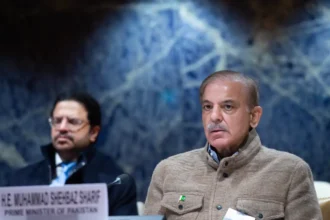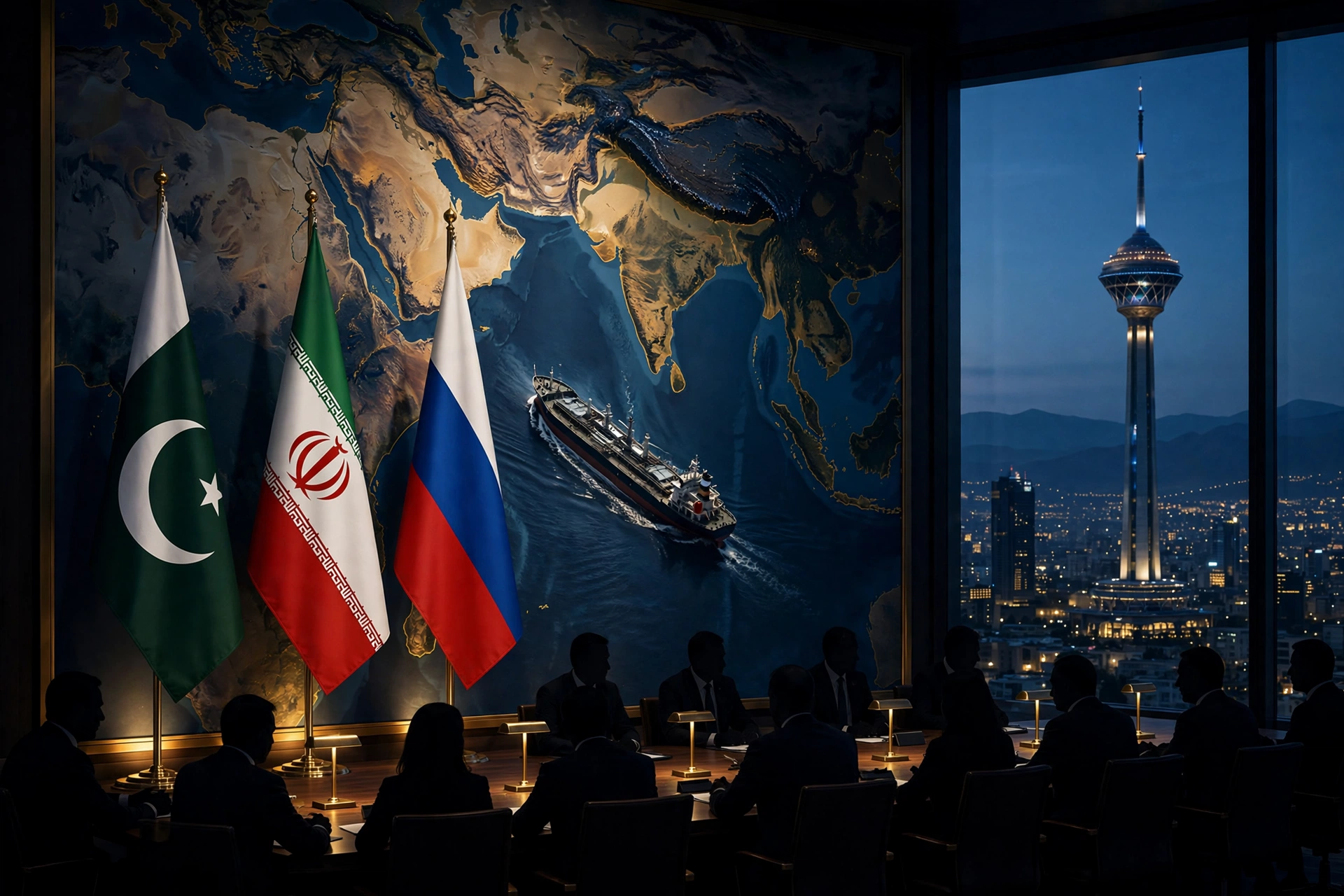

Chief of Defence Forces and Chief of Army Staff Field Marshal Asim Munir arrived in Tehran on Tuesday, October 20, for talks with senior Iranian officials, Iranian media reported. The visit came exactly one day after Russian Foreign Minister Sergei Lavrov landed in the Iranian capital on the same stated mission: preventing a return to large-scale war between Iran and the United States while direct diplomacy stays frozen over the future of the Strait of Hormuz.
Iranian foreign ministry spokesman Esmaeil Baqaei was careful about how he framed the Pakistani visit. He said talks with Field Marshal Munir “relate to issues concerning the negotiations, but they are mainly focused on bilateral relations and strengthening interactions and cooperation”. The sentence is diplomatic choreography: acknowledge the mediation everyone knows is happening, while insisting the real business is bilateral.
Two shuttles, one stalled war
On Monday, Lavrov met Iranian Foreign Minister Abbas Araghchi and President Masoud Pezeshkian, and Moscow said his efforts “aim to prevent a return to large-scale war”. On Tuesday, Munir touched down in Tehran with a Pakistani delegation. Pakistan has played a key mediating role between Washington and Tehran this year: in June, Islamabad helped broker a short-lived memorandum of understanding meant to create a framework for a final agreement, which collapsed within weeks over disagreements on security guarantees and freedom of navigation through the Strait of Hormuz.
The visit follows the summer round of talks between Field Marshal Munir and Iranian leaders, which focused on preventing further escalation, reopening the Strait of Hormuz, and an expedited end to the conflict. That conflict began with US and Israeli strikes on Iran in February, after which Tehran sought to blockade the Strait of Hormuz, the channel through which around a fifth of the world’s energy supplies used to pass.
Why Tehran is hosting both mediators at once
The two visits landing back to back is unlikely to be a coincidence. Direct Iran-US diplomacy has stalled over navigation in and around the Strait of Hormuz: Washington wants the waterway secure for shipping, while Tehran treats navigation as leverage in the wider conflict. With the June framework broken and no progress reported, Tehran has an interest in keeping multiple channels warm.
Moscow’s entry adds a layer of competition to Pakistan’s mediation. Russian media framed Lavrov’s trip as Moscow positioning itself as a mediator, after President Vladimir Putin told Pezeshkian in early October that Russia was prepared to contribute. Islamabad’s channel runs through months of visits and through Pakistan’s geography: a land border with Iran and its own security commitments to Saudi Arabia on the other side of the confrontation.
What is at stake: oil, ships and Hormuz
The clearest measure of the stakes came from the oil markets on Tuesday. Brent crude futures climbed to $110.10 a barrel, hovering near a five-month high, as traders priced in a geopolitical risk premium from Houthi attacks on Saudi infrastructure and reports of vessel attacks in the Gulf. Ship tracker Kpler reported at least 18 vessels attacked over two weeks. The Houthis said on Monday they had struck Saudi energy, airport and military targets, claims Reuters could not independently verify.
For Pakistan, the oil price is not an abstraction. The government switched to a daily fuel-price review system earlier this year because of this volatility, and petrol prices fell by Rs5.16 to Rs381.14 a litre on October 20 only because the seven-day average of refined product prices allowed it. If Hormuz navigation worsens, the pass-through reverses, and the import bill climbs just as the USD to PKR exchange rate today stays under pressure.
The bilateral baggage Munir carries
Despite Baqaei’s “mainly bilateral” framing, the bilateral file itself is heavy. Pakistan has suspended its Iran trade corridors over security and smuggling concerns, a disruption that hits border communities on both sides. Iranian media said Munir was expected to meet Foreign Minister Araghchi, President Pezeshkian, parliament speaker Mohammad Bagher Ghalibaf and the secretary of the Supreme National Security Council.
There is also the Saudi dimension. Pakistan’s defence relationship with Riyadh is being reaffirmed even as Islamabad mediates with Tehran, and Islamabad’s diplomacy in Dushanbe this week shows the regional balancing act. Pakistan is one of the few states talking to both sides of the Gulf confrontation.
What happens next
Nothing about the content of Munir’s meetings has been disclosed, and neither Islamabad nor Tehran has announced an agenda. The test of whether this shuttle moved anything will be whether the stalled Iran-US channel shows movement on Hormuz navigation, where the June framework broke down. Until then, Tehran gets to show it has options, Moscow gets to show it matters, and Pakistan keeps carrying messages between capitals that will not talk to each other directly.
Follow the latest national news from Pakistan on PakMirror.