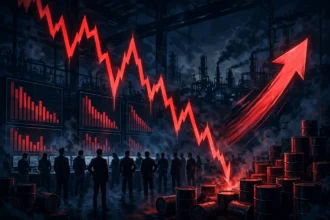

A report published on November 4, 2026 has put a single number at the centre of Pakistan’s food debate: 56 to 1. That is its claimed ratio of armed services spending to health spending. The same report links that choice to Pakistan’s rank of 106th out of 122 countries on the 2026 Global Hunger Index, with a score of 25.5. The 56 to 1 figure checks out on a narrow definition, yet understates the full total. And its wheat argument is overtaken by a policy announced nine days earlier.
What the November 4 report actually claims
The report, carried by IANS on November 4 from the European Times portal, says the federal budget for 2026-27 allocated Rs3 trillion to defence services, up 17.6 percent, with weapons procurement rising 39.6 percent to Rs925.8 billion. Health, it says, received Rs53.3 billion in total, of which Rs24.3 billion covered the health and nutrition development portfolio. Military pensions, carried separately at Rs822 billion, exceed the health allocation more than 15 times over.
The ratio, checked line by line
Rs3,000 billion divided by Rs53.3 billion gives 56.3, so roughly Rs56 on the armed services for every rupee on health is correct if only the defence services line is counted. Add the separately carried military pensions and the picture changes: Rs3,000 billion plus Rs822 billion is Rs3,822 billion, or 71.7 times the health total. The weapons line is 30.9 percent of the defence services allocation and 17.4 times the health allocation. The ratio is therefore not exaggerated; on the fuller count, it is understated.
What the hunger numbers say, and what they do not
Pakistan’s score of 25.5 falls in the index’s “serious” band, and the rank of 106 out of 122 is confirmed by multiple summaries of the 2026 report. The four indicators behind it are undernourishment at 16.1 percent, child stunting at 33.6 percent, child wasting at 9.8 percent, and under-five mortality at 5.6 percent. Regionally, Afghanistan scores 28.6, India 24.1, Bangladesh 19.2, Nepal 14.5 and Sri Lanka 10.2, so Pakistan is second worst in South Asia, ahead of only Afghanistan. The 2026 scores rest on data from 2021 to 2025, not on conditions measured in 2026, so the index pictures recent years rather than this month. And the score has risen from 24.0 in 2018, a deterioration of about 6.3 percent, even though it remains well below the 36.2 recorded in 2000. The poverty rate rising to 28.9 percent in 2024-25 adds another warning light. None of this proves the budget caused the hunger score.
The wheat U-turn the report leaves out
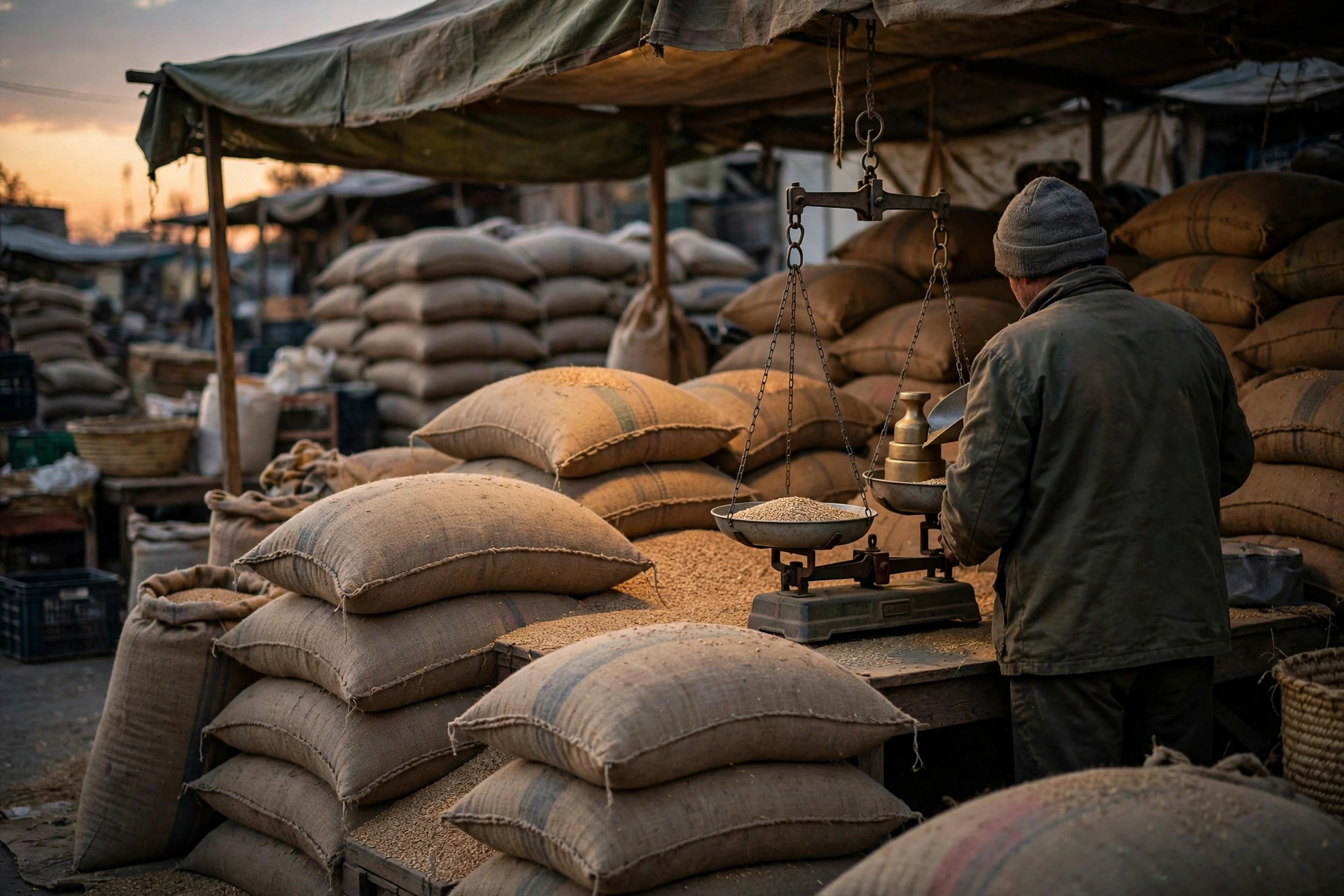
The weakest part of the report is its wheat argument. The article says Pakistan abolished the wheat support price mechanism under reforms tied to its IMF programme, then presided over procurement that collapsed to roughly 480,000 tonnes in Punjab against a three million tonne target, forcing imports of around 3.5 million tonnes at a cost above 1 billion dollars. Those figures appear here only as the article’s claims. Policy has since changed, which the article does not mention. On October 23, Prime Minister Shehbaz Sharif set an indicative wheat price of Rs4,500 per maund for the 2027 crop, Rs1,000 above the previous Rs3,500. On October 26, Federal Minister for National Food Security Rana Tanveer Hussain announced a National Wheat Policy with strategic reserves of up to six million tonnes. He said more than 1.3 million tonnes had already been released to provinces from state stocks, and that imports of up to 550,000 tonnes could be arranged if provinces required them. Two gaps keep the U-turn incomplete: the Rs4,500 rate was indicative, with formal notification still pending and no named buying agency, purchase terms or funding identified, and farmers had demanded Rs5,000, so the earlier wheat support price debate in October is not settled by the announcement alone. October ministry documents put the national margin at only 120,000 tonnes.
Three tests that will settle it
Three developments will test the report against the October policy. First, the formal notification of the Rs4,500 price, with a named buyer and funding, will show whether the indicative rate becomes a price farmers can sell at. Second, the build-up of the six million tonne reserve will show whether the reserve is a target on paper or grain in storage. Third, the next budget will show whether health moves at all relative to defence. Until then, the fair summary is this: the ratio survives checking, the hunger score describes recent years, and the wheat story has moved on. With October inflation easing to 9.6 percent yet still rising, households may feel some relief without any change in the underlying food security picture. For more, see more business and economy news from Pakistan.