
Pakistan’s stock market has just closed its worst two trading sessions in months. The KSE-100 index lost 2,006.67 points on Thursday and 1,335.01 more on Friday, a combined fall of 3,341.68 points that erased roughly Rs315 billion in market value. Fighting between Saudi Arabia and Yemen’s Houthis pushed oil prices higher, reviving fears of a heavier import bill and faster inflation. With the State Bank’s policy committee meeting on Monday amid expectations of a rate hike, investors await the decision that could set the market’s course.
The two-day tally in numbers
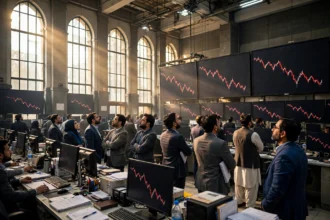
Thursday was the heavier blow: the KSE-100 closed at 163,924.32, down 1.21 percent from 165,930.99, after swinging between 166,180.32 and 163,782.42. Of 494 companies traded, only 101 advanced while 355 declined. Turnover was 367.09 million shares worth Rs17.998 billion, and market capitalisation fell to Rs18.173 trillion from Rs18.384 trillion, wiping about Rs211.5 billion in one day.
Friday brought no relief: the index closed at 162,589.30, down 0.81 percent, with 115 gainers against 352 losers and turnover of about Rs9.90 billion. Market value slipped to roughly Rs18.07 trillion, taking the two-day erosion to around Rs315 billion. The index is now down 5.82 percent this year, according to Arif Habib Limited.
What set the selling off
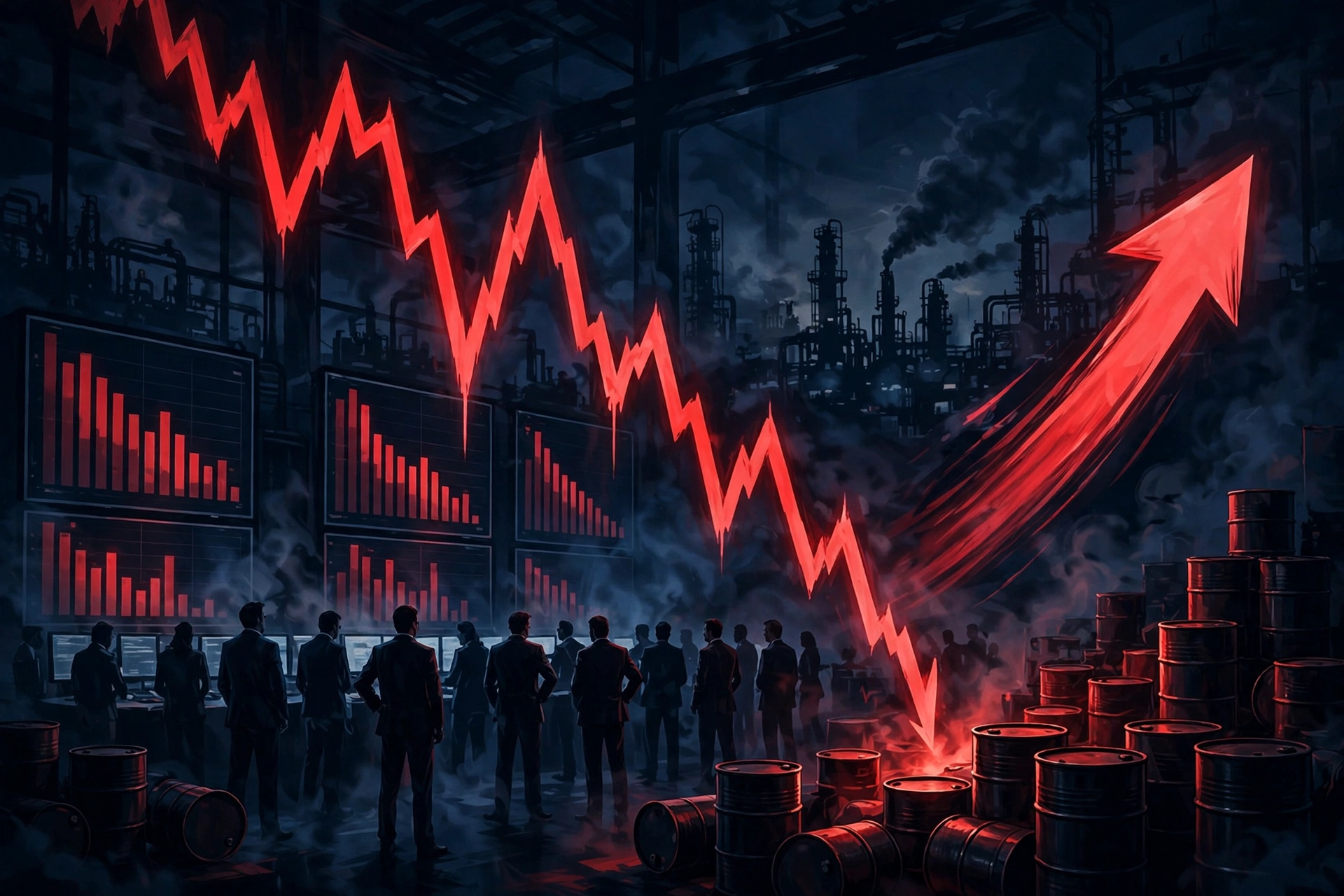
The trigger came from the Gulf. Fresh Houthi attacks in Saudi Arabia stoked fears of a broader regional conflict and prolonged disruption to Middle Eastern energy supplies, sending oil prices surging. Pakistan imports most of its fuel, so dearer crude means a higher import bill, pressure on the external account and faster inflation.
Ali Najib, deputy head of trading at Arif Habib Limited, blamed the oil surge amid geopolitical tensions for the weak sentiment and external account concerns. Weak Asian markets and no positive domestic trigger made matters worse, with selling intensifying as each session wore on. The oil link is already visible at the pump: petrol was cut and diesel raised in the latest fortnightly price revision, while Jamaat-e-Islami heads into talks with the government today over the petroleum levy that keeps fuel expensive.
The stocks that did the damage
Heavyweights led the fall. On Thursday, Engro Holdings, United Bank, Hub Power, Habib Bank and Pakistan Telecommunication Company together dragged the index down about 1,151 points, according to Topline Securities. Engro Holdings fell 2.29 percent, UBL 1.39 percent and HBL 2.32 percent, the heaviest drags, while Unilever Pakistan Foods, Thatta Cement and Standard Chartered offered the only support.
Friday’s losses spread across the same names: Attock Refinery, Hub Power, Mari Petroleum, Pakistan Petroleum, Pakistan Oilfields, MCB, Meezan Bank, National Bank and UBL all traded lower. One counterweight: key banks reported nine-month results in line with expectations. HBL posted earnings per share of Rs36.84, up 5 percent on the year, with a dividend of Rs18; Meezan Bank reported Rs41.02, up 6 percent, with Rs23.5; and MCB recorded Rs37.26 with Rs27. Najib noted that resilient results and payouts may provide selective support even as the market stays volatile.
Why Monday is the real test
All eyes are on the State Bank’s Monetary Policy Committee, which meets on October 26 under Governor Jameel Ahmad. The policy rate has stood at 11.5 percent since April, but the case for a hike keeps building: a Topline Securities survey found 61 percent of participants expect an increase, most pencilling in 50 basis points, and Bloomberg reports a rise to 12 percent is likely.
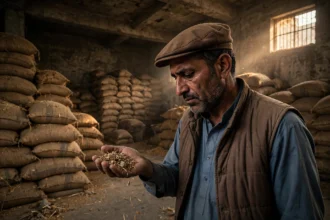
Headline inflation was in double digits in five of the past six months, hitting 11.1 percent in August against 9.2 percent in July, with core inflation at 8.7 percent, well above the bank’s 5 to 7 percent target. Wheat prices are up 9 percent in four weeks. The IMF’s October 2026 Regional Economic Outlook projected Pakistan’s external position would weaken and warned a longer Middle East conflict could intensify inflation, raise borrowing costs and force further tightening.
Sana Tawfik, head of research at Arif Habib Limited, told Business Recorder that Friday’s selling had two drivers: weak global markets amid higher oil prices, and caution ahead of Monday’s policy decision amid rate-hike expectations.
What investors watch next
The calendar is short and decisive. Monday’s decision and the statement’s wording will show how worried the central bank is about oil-driven inflation. Over the weekend, investors will track crude prices and Middle East headlines, while result season offers stock-specific openings. A hike to 12 percent would raise borrowing costs but reassure markets on inflation; a hold would surprise most and likely spark a relief rally, leaving inflation questions open.
For ordinary savers, the forces matter more than the index: dearer oil and dearer money squeeze household budgets, whether through the rupee’s exchange rate against the US dollar or fuel and food prices. More business and economy news from Pakistan will follow as the rate decision lands.