
Labour federations in Quetta have rejected the federal government’s plan to privatise the Pakistan Mineral Development Corporation (PMDC), warning that the sell-off could threaten thousands of jobs and hurt mining communities in Balochistan. The dispute raises an awkward question for Islamabad: why sell a state-owned corporation that just posted its highest-ever revenue of Rs5.27 billion and paid Rs1 billion in a single year into the national treasury?
The numbers behind the paradox
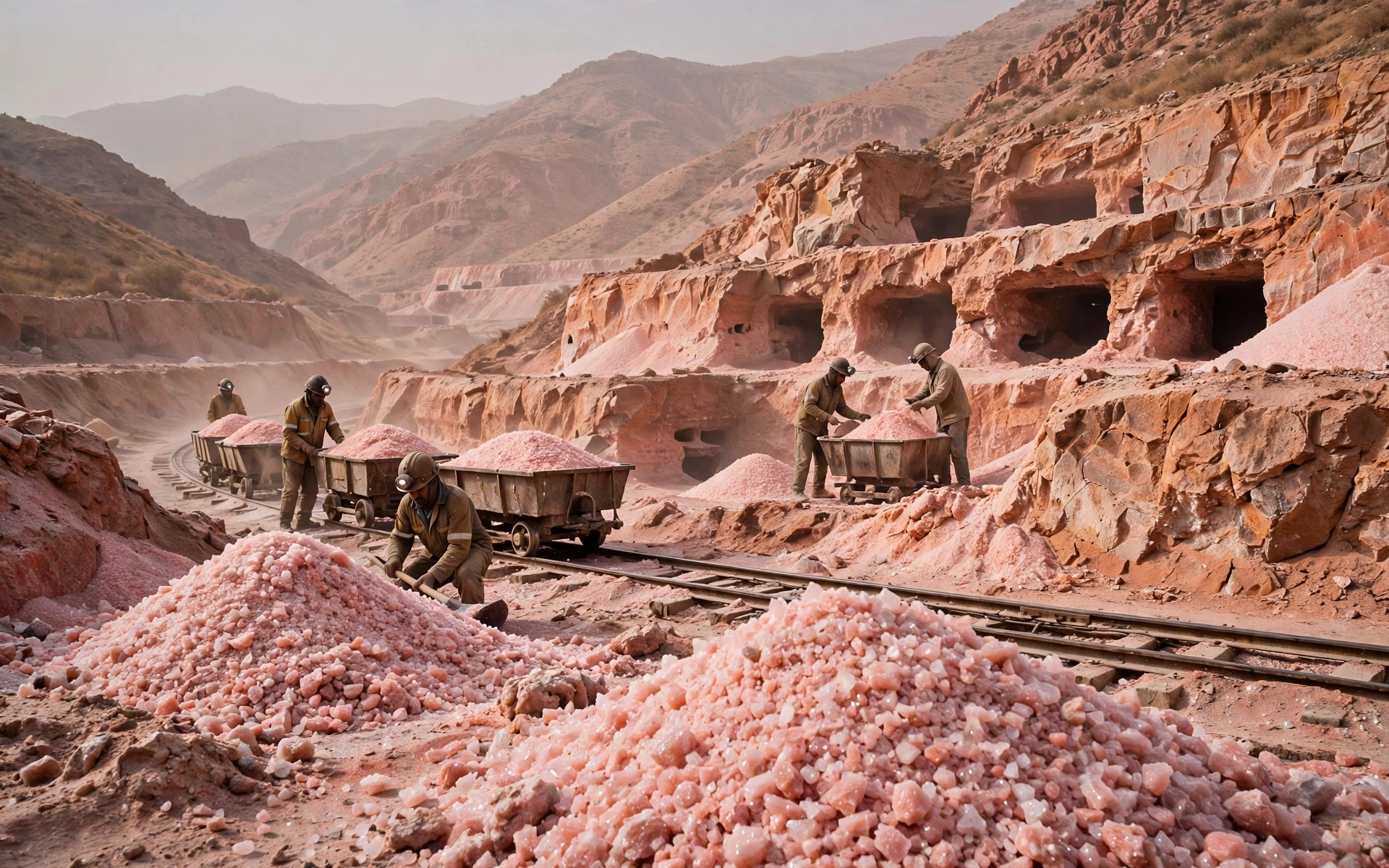
According to documents cited by industry reporting, PMDC recorded a 53 percent increase in annual revenue over the past four years, reaching a record Rs5.27 billion in fiscal year 2024-25. Over the last five years, the corporation transferred Rs10.4 billion to the national treasury as dividends, with Rs1 billion deposited into government accounts in 2024-25 alone. The corporation is currently running 17 major development projects covering mineral extraction, processing and export capacity, and it has begun exporting pink rock salt directly to the United States.
The most striking investment on its books is a $200 million agreement for a pink rock salt grinding and packaging plant. Union leaders warn that the Warcha mine dispute has already cast uncertainty over this and other downstream projects, arguing that the corporation offered the Punjab government higher financial returns than the auction arrangement that replaced its lease.
Why Islamabad wants it gone anyway
The government has not publicly detailed the criteria used to put PMDC on the privatisation list, but the broader framework is clear. The Privatisation Commission Board cleared PMDC, Saindak Metals Limited and the National Insurance Company for the active programme in its 243rd meeting, and a Cabinet summary dated March 26, 2026 approved a Petroleum Division rightsizing plan that placed PMDC’s privatisation in the first phase with implementation plans due within 90 days.
Finance Minister Muhammad Aurangzeb recently told Reuters that Pakistan is eyeing over $1 billion from the privatisation of five to six entities, with the economy expected to grow more than 4 percent in FY27. The sale sits inside a wider fiscal consolidation push that has also included IMF’s warning about Pakistan’s regional economic position and sharp adjustments such as petrol prices and levy talks dominating the national debate.
The Petroleum Division’s own argument is operational rather than financial: Secretary Petroleum has acknowledged 80 fatalities in PMDC-operated coal mines over five years, contending that privatisation could attract the investment needed to modernise outdated machinery and safety standards. Critics counter that a profitable public company can fund its own modernisation, and that selling it transfers the upside of rising mineral demand to private buyers.
The Warcha lease fight
A second front has opened in Punjab. After the province declined to renew PMDC’s lease for the Warcha rock salt mine and auctioned the same area to a private company, PMDC challenged the move in the Lahore High Court, maintaining that the lease remained valid until 2032. Workers’ representatives claim PMDC had offered Punjab higher financial returns than the auction arrangement, and they question whether a private group without PMDC’s decades of large-scale rock salt experience should run one of Pakistan’s strategic mineral assets.
The union further says it backs PMDC’s legal challenge and has urged authorities to protect employment, contractual certainty and national mineral assets. The corporation’s direct exports to the United States and the $200 million packaging plant deal show why export earnings matter here; exporters watch USD to PKR exchange rate today closely because every dollar of salt revenue converts into more rupees at home.
What happens next
Three battlegrounds will decide PMDC’s fate. First, the Senate Standing Committee on Petroleum has already rejected the privatisation proposal once, with senators warning of up to 5,000 job losses and questioning whether the federation can sell an entity that holds provincial land only on lease. The Petroleum Secretary has responded that only the corporate entity, not the land or leases, would be sold, but senators want provincial consultation before any deal moves.
Second, the Lahore High Court case on the Warcha lease will determine whether the corporation keeps its flagship salt asset or loses the revenue stream that underpins the $200 million downstream plan. Third, the federal government’s financial adviser appointment for the transaction has not yet been confirmed; without one, no credible valuation or timeline exists.
Labour leaders say their struggle will continue through constitutional, legal and democratic channels. For now, the government has a profitable company, a protesting workforce and a legal minefield. That combination explains why one of the most controversial entries on Pakistan’s privatisation list is unlikely to be resolved quietly. Follow all the developments in PakMirror’s Business & Economy coverage.