
On Monday, the Senate Appropriations Committee released its fiscal 2027 foreign aid bill, and one line in it set off headlines: 33 million dollars would stay withheld until Dr Shakil Afridi is released and cleared of all charges over his help in finding Osama bin Laden. The news is real, but the framing is wrong. The condition is not new. Congress first imposed it 14 years ago and wrote it into law in 2014. The Senate text does not cut American aid. It keeps an old condition in place, and the sum is small next to one month of remittances from Pakistani workers abroad.
What the bill actually says
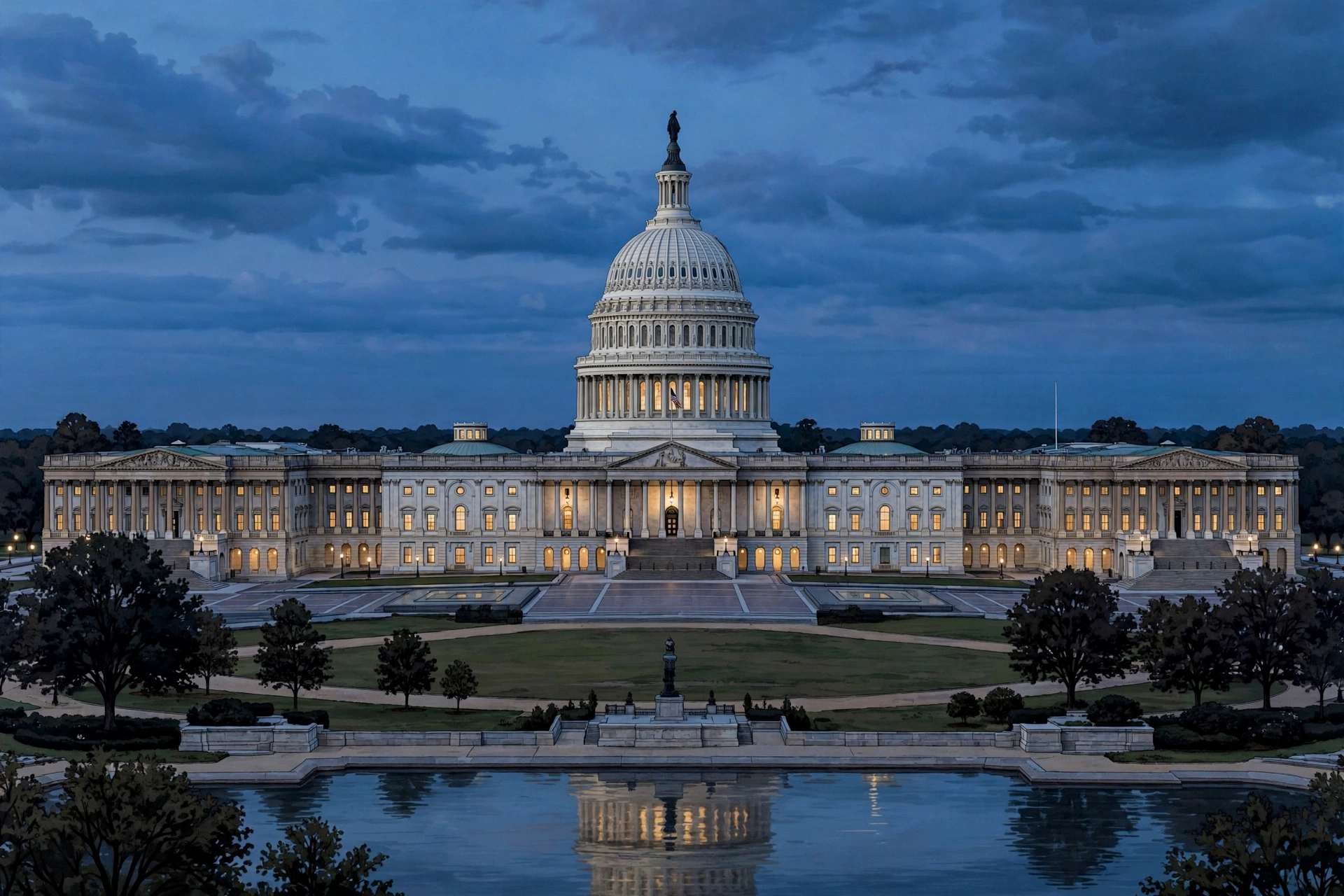
The provision sits in Section 7044(b) of the State, Foreign Operations, and Related Programs bill for fiscal year 2027, one of five funding bills released on 16 November. It keeps the 33 million dollars unavailable until the Secretary of State reports Afridi released and cleared of all charges relating to his help in locating bin Laden. IANS stresses two points the headlines often drop: the provision retains an existing restriction, and it is not a blanket suspension of American aid.
The bill is not law. It is committee text, released so the Senate and House can start bipartisan talks on full-year funding ahead of a 11 December deadline, per Bloomberg Government. The rider can survive, change, or be dropped. The committee summary puts the bill’s base discretionary funding at 50.11 billion dollars, about 96 million dollars above the fiscal 2026 level. Against that total, the condition covers about 0.066 percent, by PakMirror’s arithmetic.
Where 33 million dollars comes from
The figure was never chosen at random. On 23 May 2012, Afridi was sentenced to 33 years by the assistant political agent of the Khyber Agency. He had been arrested after the May 2011 American operation that killed bin Laden in Abbottabad, having helped American intelligence confirm the location through a fake hepatitis B vaccination campaign. He was tried under the colonial-era Frontier Crimes Regulation, not for spying for the CIA.
One day later, the committee voted 30 to 0 to cut aid by 33 million dollars, one million for each year of the sentence. That is the origin of the number that still appears in the bill today. On 17 January 2014, President Barack Obama signed the Consolidated Appropriations Act 2014 into law. On page 1273 of the 1,582-page law sat the paragraph binding the administration to withhold 33 million dollars until the Secretary of State reported Afridi released and cleared.
The same year, a State Department report cited by IANS says his sentence was cut from 33 years to 23 years. The money condition was never reduced with it. It stayed at 33 million dollars. In January 2026, the fiscal 2026 House funding bill carried the identical rider. The fiscal 2027 Senate text is at least the third consecutive year of the same condition. Every report that presents it as a fresh American punishment is missing the history.
Why the money barely matters, and why it still does
In cash terms, 33 million dollars is small. Pakistan received October remittances of $3.89 billion from overseas workers, so the withheld sum is about 0.85 percent of one month of remittances, by PakMirror’s arithmetic. The bigger questions lie elsewhere: the SBP expects inflation to ease to 5-7% in FY27, and the country counts on exports, remittances and investment.
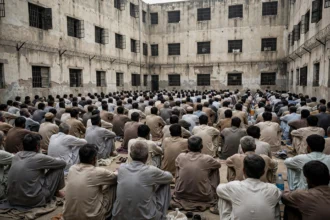
But the condition still matters as a public marker of an unresolved dispute. Afridi remains in prison, and Washington has kept his case on the agenda for a decade and a half. The rider costs Pakistan little, yet it keeps a 14-year-old grievance alive. For Islamabad, releasing Afridi would remove the condition, but no Pakistani government has been willing to pay the domestic political price.
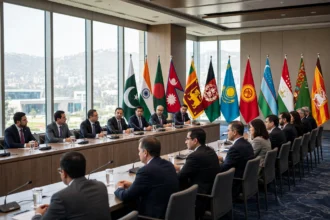
Engagement now runs through other channels. Pakistan’s mineral investment deals with American firms have drawn more attention than the aid programme, and Pakistan’s ECO chairmanship and regional diplomacy show Islamabad building its standing in the neighbourhood. The aid relationship, by contrast, has shrunk to a symbolic argument over one prisoner and one number. No Pakistani government response had been issued at the time of publication.
What happens next
The immediate test is the negotiation: the Senate text must be reconciled with the House position before 11 December. The rider can survive, be softened or dropped, or be carried forward by default if Congress passes another short-term funding measure.
The longer test is whether either side wants the issue settled. Congress will keep the rider alive indefinitely, at no cost to itself. Pakistan will absorb a 33 million dollar hold rather than release Afridi. Until one side changes its calculation, the number will keep appearing in the bill, and the headlines will keep calling it news.