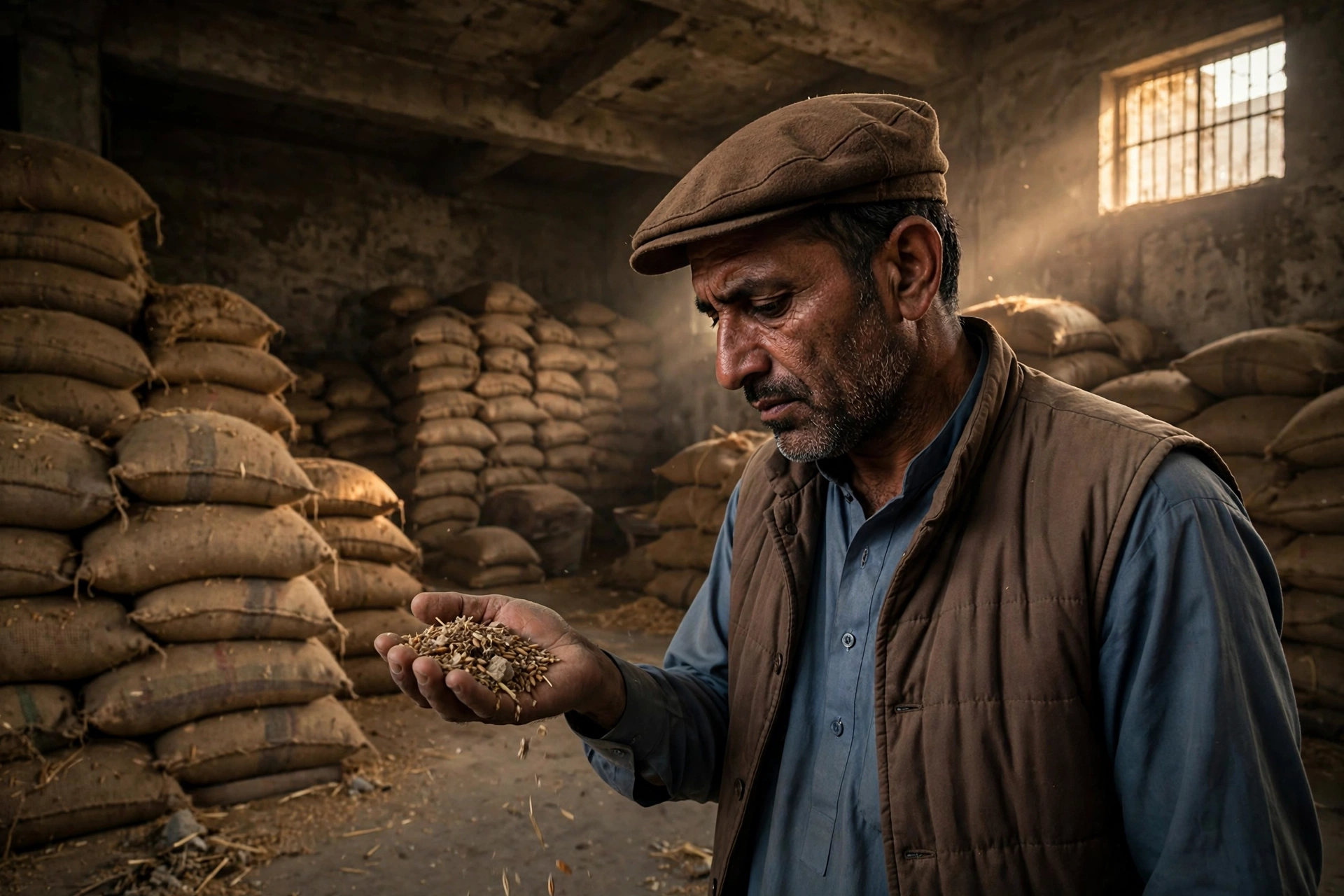

Sindh’s October flour relief deal is dead before it ever helped a single buyer. At a general body meeting on Thursday, flour millers refused to lift government wheat released by the provincial food department, calling it substandard and unfit for human consumption. The decision collapses the October 10 agreement that cut the ex-mill flour price to Rs155 per kilogram, and it leaves Sindh’s consumers staring at another price shock with only 15 percent of the 1.3 million government wheat bags deemed usable.
What the millers found at the Landhi warehouse
Former chairman of the Pakistan Flour Mills Association’s Sindh zone, Chaudhry Aamir Abdullah, told Dawn that association members met on Thursday and decided against using official wheat for grinding. Millers had inspected the Sindh government’s warehouse at Landhi, where they found only around 15 percent of the grain in the 1.3 million 100-kilogram bags was consumable.
Abdullah said he feared the grain was the same four-year-old stock that millers had rejected earlier over poor quality. The association has asked the Food Department to segregate the wheat so millers can lift only good-quality grain instead of the entire substandard lot. Food Department officials could not be reached for comment.
The relief deal that fell apart
Just six days earlier, a high-level meeting chaired by Sindh Food Minister Makhdoom Mehboob Uz Zaman had produced a relief deal: the ex-mill price of flour would drop by Rs6 per kilogram, from Rs161 to Rs155. Chief Minister Syed Murad Ali Shah had approved the release of government wheat at Rs12,500 per 100-kilogram bag from October 15, aimed at stabilising skyrocketing flour prices.
The minister had also promised arrangements to supply imported wheat directly to flour mills from the port, and said mills held around 1.5 million 100-kilogram bags, roughly one month’s consumption. The whole relief structure depended on mills actually lifting government wheat. On Thursday, they refused.
What Sindh consumers face now
The refusal lands on an already bruised market. Millers had raised flour by Rs20 per kilogram earlier this month, pushing wholesale regular flour to Rs155 per kilogram and retail to Rs170. Wheat in the open market now costs Rs14,500 per 100 kilograms, which is why the subsidised Rs12,500 release price looked like salvation.
It was not. With most of the government stock unusable, millers say the province has no bridge until the new crop arrives in March or April. Abdullah warned a wheat crisis was brewing: Sindh needs large quantities for the next four to five months, and the alternative is allowing millers to import wheat at a landed cost of Rs105 per kilogram, which would put flour at roughly Rs130 per kilogram in retail shops.
PFMA Vice Chairman Abid Mehsud had already flagged the core problem on October 12, saying wheat availability remained the major challenge for millers and warning that prices could rise further. Official reserves stand at 346,414 metric tons, projected to reach 836,414 metric tons once imported wheat expected in November arrives.
Punjab is shielded, Sindh is not
The contrast with Punjab is stark. While Sindh’s relief deal unravels, Punjab approved a Rs10 billion flour subsidy on October 10 to keep flour affordable for its consumers. Sindh got no such shield: its deal relied on grain the millers now say cannot be eaten.
Karachi flour prices rose again as the subsidised wheat release approached, and the market had been counting on the October 15 release to cool prices. That expectation is now gone, and retailers who withheld stock are unlikely to release it cheaply.
What happens next
Two tracks are possible. The PFMA wants the Food Department to segregate the Landhi stock so mills can lift the usable grain, but officials have not responded yet. The second track is import permission at Rs105 per kilogram landed, which the government has floated through direct port supply but not yet unlocked.
Either way, the October 10 price cut to Rs155 per kilogram has no wheat behind it. Consumers should expect retail flour, now at Rs170 per kilogram, to stay high or climb further, especially since rising fuel costs are already squeezing household budgets through transport expenses. For more Pakistan business and economy news, follow our ongoing coverage.