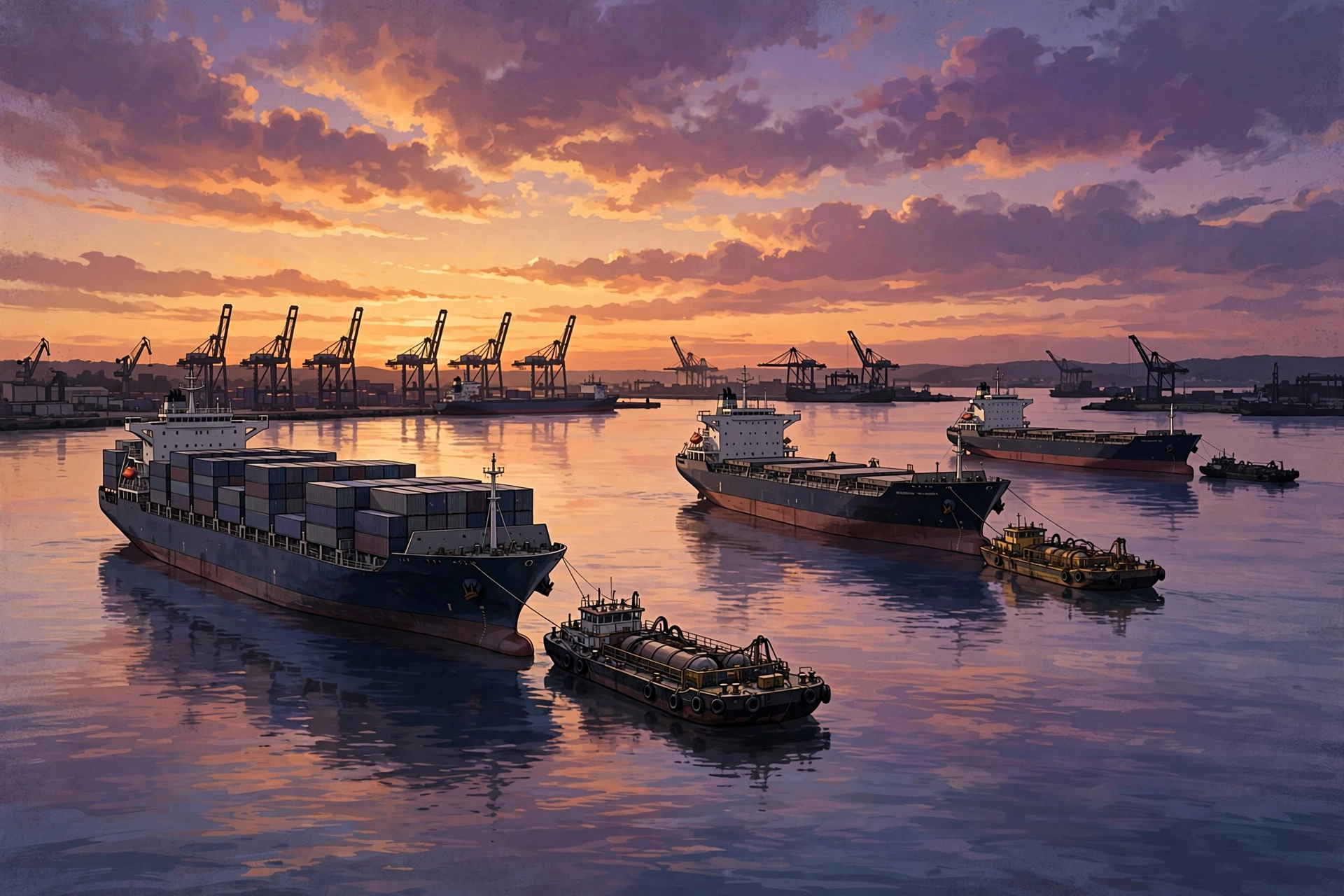

Reuters reported on October 16 that the US-Iran war is tearing apart the traditional patterns of ship refuelling, known as bunkering, in the Arabian Gulf. Fuel buyers who once signed supply contracts of six months to a year now commit for only a quarter or even a month at a time, and diversions away from the United Arab Emirates’ Fujairah port are pushing demand toward alternative ports across the region.
Among those alternatives is Pakistan’s Gwadar Port. Commodity trading giant Vitol began bunkering at Gwadar in July, using the port’s position outside the Strait of Hormuz to serve customers operating in the Gulf region, according to Reuters. For Pakistan, that turns a global fuel-market disruption into a concrete commercial opening for its deep-sea port.
Term contracts shrink from a year to a month
The clearest sign of the disruption is how fast buying terms have collapsed. Choong Zhen Mao, executive director at Singapore-based Equatorial Marine Fuel, told Reuters that the duration of term contracts with buyers had shortened to a quarter or even a month, versus six months or one year before the war. When buyers refuse to lock in supply for long, it means they no longer trust the map to stay still.
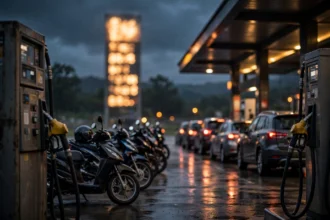
Fossil-based marine fuel prices this week are at least 70 percent higher than the levels seen before the Iran war began in February, according to Reuters. That explains why shippers are buying only what they need and keeping their options open.
Fujairah loses ground, new ports rise
Hostilities around the UAE’s Fujairah port, which used to be one of the world’s top bunker suppliers, have intensified, industry executives said. Peter Grunwaldt of Seascale Energy told Reuters: “Around the Arabian Gulf in particular, traditional bunkering patterns are being torn apart.” Diversions from Fujairah have driven more enquiries to surrounding ports, and shippers now refuel at more ports than they used to.
Ports that were only used sporadically before, such as Port Louis in Mauritius, Colombo in Sri Lanka and Salalah in Oman, are now being used more frequently, Grunwaldt said. Mikkel Kannegaard of Bunker Holding, the world’s largest marine fuel seller by volume, said he had seen more demand emerging in Africa and South Asia.
Why Gwadar is on the new map
Vitol, the world’s largest independent oil trader, which delivers about 15 million tons of bunker fuel per year, began bunkering at Gwadar Port in July, Reuters reported. The port sits outside the Strait of Hormuz, so vessels can refuel there without passing through the chokepoint the war has made risky, while still serving customers operating in the Gulf region.
Kieran Gallagher, Vitol’s Head of Asia, said diversification is essential “both to manage today’s disruptions and to build longer-term resilience”, adding that in the near term it means broadening geographic sources of supply and developing new trade routes for conventional fuels.
What bunkering means for Pakistan’s port economy
A bunkering stop is one of the steadiest ways a port earns money. Each refuelling call brings port dues, pilotage and service fees, and ships that stop for fuel often use other port services too. If Gwadar can hold onto a share of the fuel volumes being diverted from Fujairah, it converts a wartime disruption into durable commercial traffic.
The shift also fits Pakistan’s wider logistics push. Pakistan Railways is moving record freight volumes as shippers look for reliable routes, and at the same time rising fuel costs are already squeezing household budgets at home, which shows how the same energy shock reaches both global shipping lanes and Pakistani consumers.
What to watch next
The big question is whether the new pattern survives the war. Kannegaard acknowledged uncertainty over whether some of the diverted demand will persist once shipping routes reopen, and industry executives are watching whether contract terms stretch back out once hostilities ease. For Gwadar, the test will be keeping service reliable and prices competitive when Fujairah tries to win back the business.
Follow our Pakistan business and economy news coverage for how the war’s shockwaves reach the country’s ports, fuel markets and trade costs.