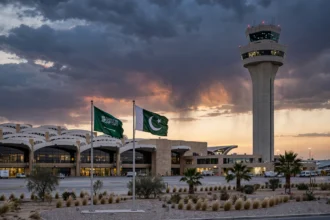

Nomination papers for Islamabad local government elections opened on Monday, November 2, 2026, starting a 48 day run to polling on Sunday, December 20. The Election Commission of Pakistan has already fixed every later step, from scrutiny starting on November 9 to the allotment of election symbols on November 26. The election will fill 1,625 seats across 125 union councils, the capital’s first local election since the previous elected body’s term ended in February 2021. The polls are being held under the Islamabad Capital Territory Local Government Act, 2015, after a 2026 amendment ordinance lapsed on September 6 without replacement legislation. The commission ordered the schedule on October 21 under compulsion, its chief said.
What opened on November 2
November 2 is the first filing day, not the first announcement. Filing runs from November 2 to November 6. The commission has appointed Deputy Commissioner Islamabad Irfan Nawaz Memon as District Returning Officer. The Pakistan Tehreek-e-Insaf has decided to contest, after more than 25 meetings and consultations with about 400 office bearers, with 95 percent of its officials backing the decision. Its organisations have been directed to file for every single ward in each union council. The November 7 list will show whether that claim held.
The 48 day schedule, step by step
The schedule leaves almost no slack. Scrutiny runs from November 9 to November 13, appeals can be filed from November 14 to November 18, and appellate authorities must decide them from November 19 to November 23. A revised list will be published on November 24, candidates have until November 25 to withdraw, the final list will be published that day, and symbols will be allotted on November 26. Polling will run from 8 in the morning to 4 in the afternoon on December 20, and results will be consolidated from December 21 to December 24. The commission is running a second local track in parallel: it ordered local polls in Khyber Pakhtunkhwa but announced no polling date there. Conduct rules apply throughout: transfers need prior approval, and senior office holders are barred from campaigning.
From 50 to 125: the map that kept changing
Islamabad’s first and only local elections were held in 2015, for 50 union councils, and that body’s term ended in February 2021. The 120 day deadline for fresh elections passed in mid 2021. The number of union councils became the running dispute, rising from 50 to 101 and then to 125. The December 2022 polls were postponed when the number rose to 125 shortly before polling. A later schedule set polling for February 2026, but the January 2026 ordinance disrupted it, and it lapsed on September 6. At the October 21 hearing, the commission said delimitation had been done six times, schedules issued four times, and final lists published on October 14. That hearing, the October 21 hearing that set this schedule in motion, is why November 2 matters: it is the first step that has to survive candidates, objections and the courts.
Two shadows over the schedule
The first shadow is a new law. The commission has said it would rework the schedule if parliament passes a new local government bill before the vote, so every filing from November 2 onward is made under a law parliament could still replace. Parliament has approved a 30 member electoral reforms committee with no member yet named, no chair notified and no deadline set. The second shadow is a separate proposal: a 27 member elected Islamabad Assembly, with 21 directly elected members, five seats reserved for women and one for minorities, an elected chief executive, and responsibility for health, education and public services. A draft was submitted to the prime minister in September, but legislation is still required. Until legislation defines how the two tiers relate, voters cannot know whether an assembly would sit alongside councils or replace them.
Three tests before December 20
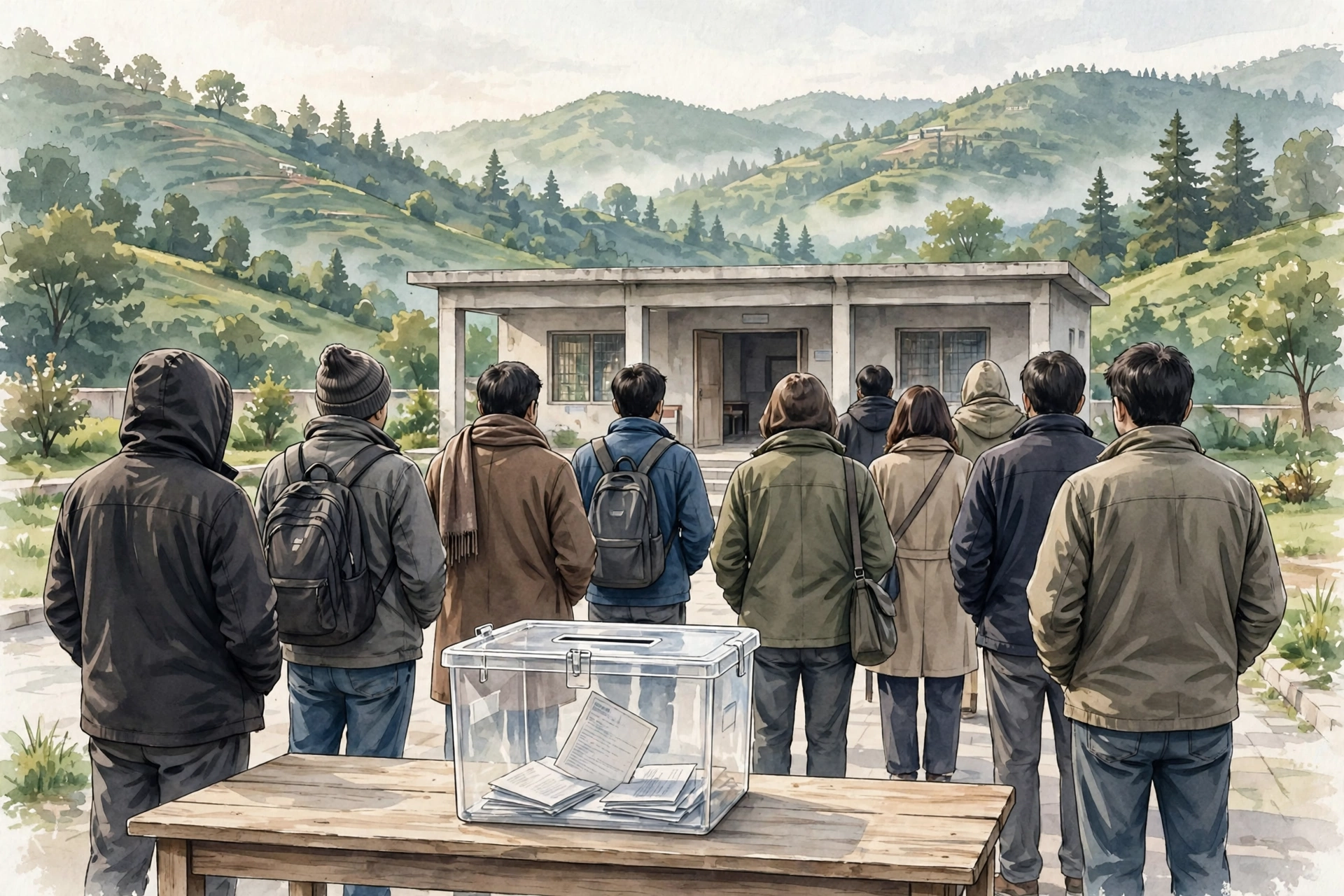
First, the November 7 test. The preliminary list will show whether filing was broad or patchy, and whether the largest parties filed across all 125 union councils or only where they are strong. Second, scrutiny and appeals must end by November 23 without a court order stopping the process. Third, the polling day test. More than 1.2 million voters are registered in the capital territory, according to the Free and Fair Election Network, and the 2026 method is simpler than in 2015: each voter will receive one ballot paper to elect a general councillor for their ward, with nine general wards in each union council. Each council’s nine general members will elect four reserved members, then a chairman. The 125 chairmen will automatically become members of the Metropolitan Corporation Islamabad, which will elect a mayor and three deputy mayors. For continuing coverage, see more national news from Pakistan.