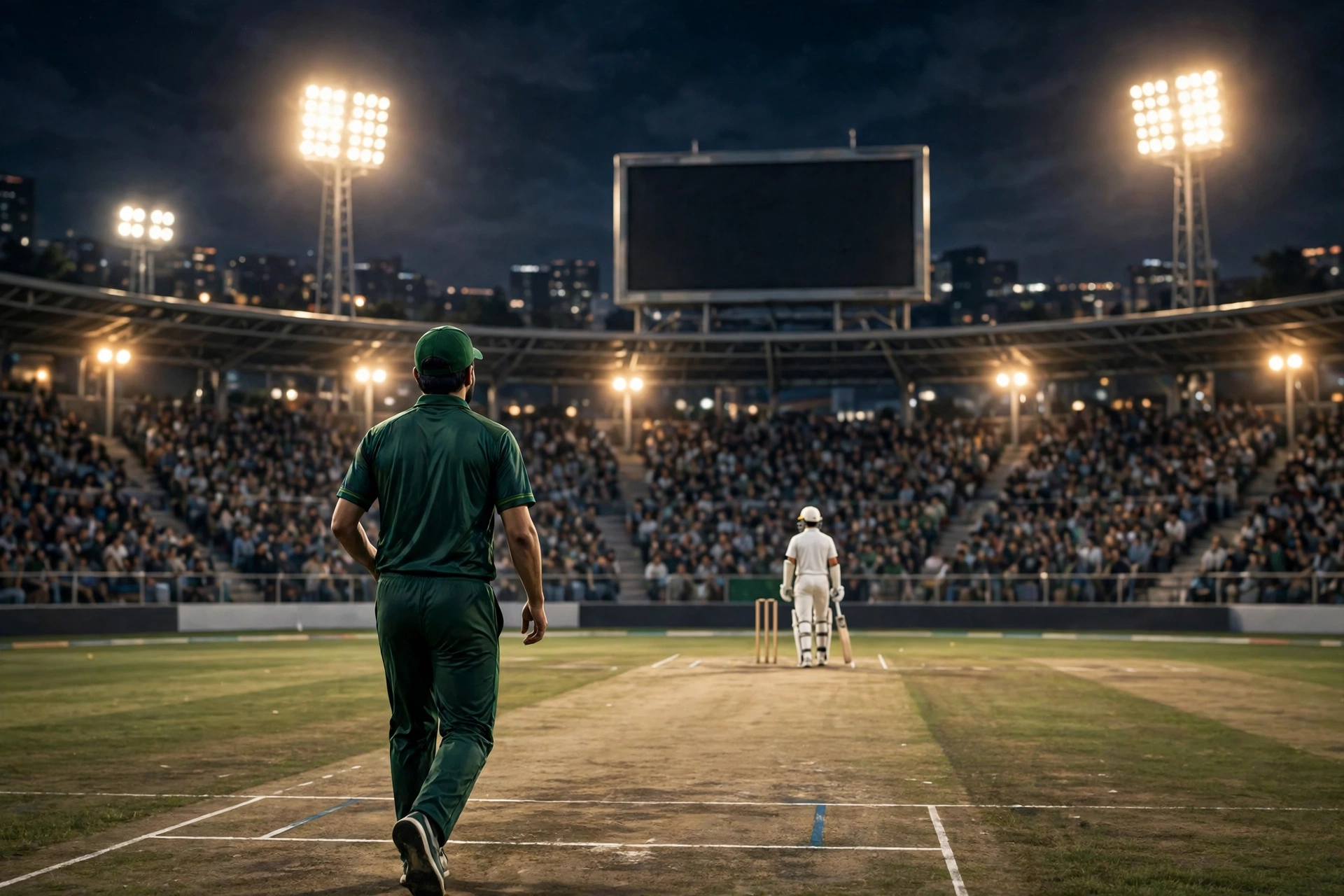

Pakistan won the ODI tri-series on October 31, and on November 2 the International Cricket Council fined the team for its bowling in that final. The fine is five per cent of the players match fee, because Pakistan were one over short after time allowances. It does not change the result. It is also not the first such fine of this tournament: Pakistan were fined in the opener too, a pattern across two matches, not a single lapse in Lahore.
What the ICC actually ruled
The ICC release of November 2 is precise. Pakistan were fined five per cent of their match fee for a slow over-rate in the final against Sri Lanka in Lahore on Saturday, October 31. Match referee Jeff Crowe imposed the sanction after Pakistan were ruled one over short after time allowances. The charge was levelled by on-field umpires Ahsan Raza and Wayne Knights, third umpire Sharfuddoula Ibne Shahid and fourth umpire Rashid Riaz. Captain Shaheen Shah Afridi pleaded guilty, so no formal hearing was needed.
The rule is Article 2.22 of the ICC Code of Conduct, which covers minimum over-rate offences. Players are fined five per cent of their match fee for every over their side fails to bowl in the allotted time. One over short therefore means five per cent, no more and no less. The release gives a percentage only, publishes no rupee figure, and none should be guessed from it.
The opener already warned them
The final was not the first warning. In the opener at Rawalpindi on October 18, Pakistan beat Sri Lanka by 37 runs, scoring 305 before bowling Sri Lanka out for 268, with Salman Agha’s record hundred in the Rawalpindi opener setting up the win. The same referee, Jeff Crowe, then fined Pakistan ten per cent for being two overs short, while Sri Lanka were fined five per cent for being one over short. Afridi and Sri Lanka captain Kusal Mendis both pleaded guilty, again with no hearing.
Put the two rulings together. Pakistan were fined in the first match and in the last match, against the same opponent, under the same article, by the same referee, with the same captain accepting the charge both times. The shortfall halved, from two overs to one, but it did not disappear. The final fine is best read as the second half of a tournament-long problem, not an isolated footnote to a trophy win.
What the fine does not change
Plainly, this ruling is not a suspension, not a points deduction, and it does not overturn the final. Pakistan still won the trophy, chasing 326 after Sri Lanka made 325 for 8, finishing on 331 for 7 in 48.3 overs with nine balls to spare, thanks to Fakhar Zaman’s 127 that sealed the Lahore final. The case is settled at match-referee level, with no further disciplinary proceedings scheduled for the final.
That distinction matters. Over-rate fines are a timekeeping sanction, applied after allowances for stoppages have already been counted in the bowling side’s favour. Pakistan were not fined for bowling badly. They were fined for bowling too slowly, even after those allowances, in a final they won by three wickets.
Why the clock still matters
The ICC releases do not explain why Pakistan were slow in either match, and this article does not invent a reason. What they establish is that the problem survived the whole tournament: two overs short on October 18, one over short on October 31, with allowances already applied both days. In the opener both teams were fined; in the final only Pakistan were fined, because the charge concerned Pakistan’s bowling innings.
Three tests to watch next
First, Pakistan’s next ODI bowling innings: after time allowances, does the side finish its overs on time? A clean innings would show a tournament habit broken, rather than one carried into the next series. Second, whether the captain or team management addresses the over-rate publicly before that ODI. Afridi accepted both charges without contest, which is the correct step, but acceptance is not explanation. Third, whether the next referee’s report records a clean over-rate or a third Article 2.22 charge. Two fines already form a pattern; a third would turn it into a record that follows the team.
The trophy will rightly be remembered first, and the fine second. But the fine deserves its own place in this story, because it is the one part Pakistan did not win. The white-ball side moves on, and Rizwan and Imam’s Quaid-e-Azam Trophy return on November 3 gives red-ball cricket its own test the next day. For the ODI team, the next test is quieter: bowl the overs and beat the clock. Follow other Pakistan sports stories on PakMirror for the next ODI squad and the over-rate check that follows it.