
Today, November 3, is the day the Peshawar High Court told senior officials to account for Khyber Pakhtunkhwa’s missing elected leadership. Twenty three days after emergency and governor’s rule removed the provincial government on October 11, the court wants three answers about Chief Minister Sohail Afridi, Speaker Babar Saleem Swati and other detained lawmakers: were they arrested, are they named in any criminal case, and where are they being held?
The three questions the court asked
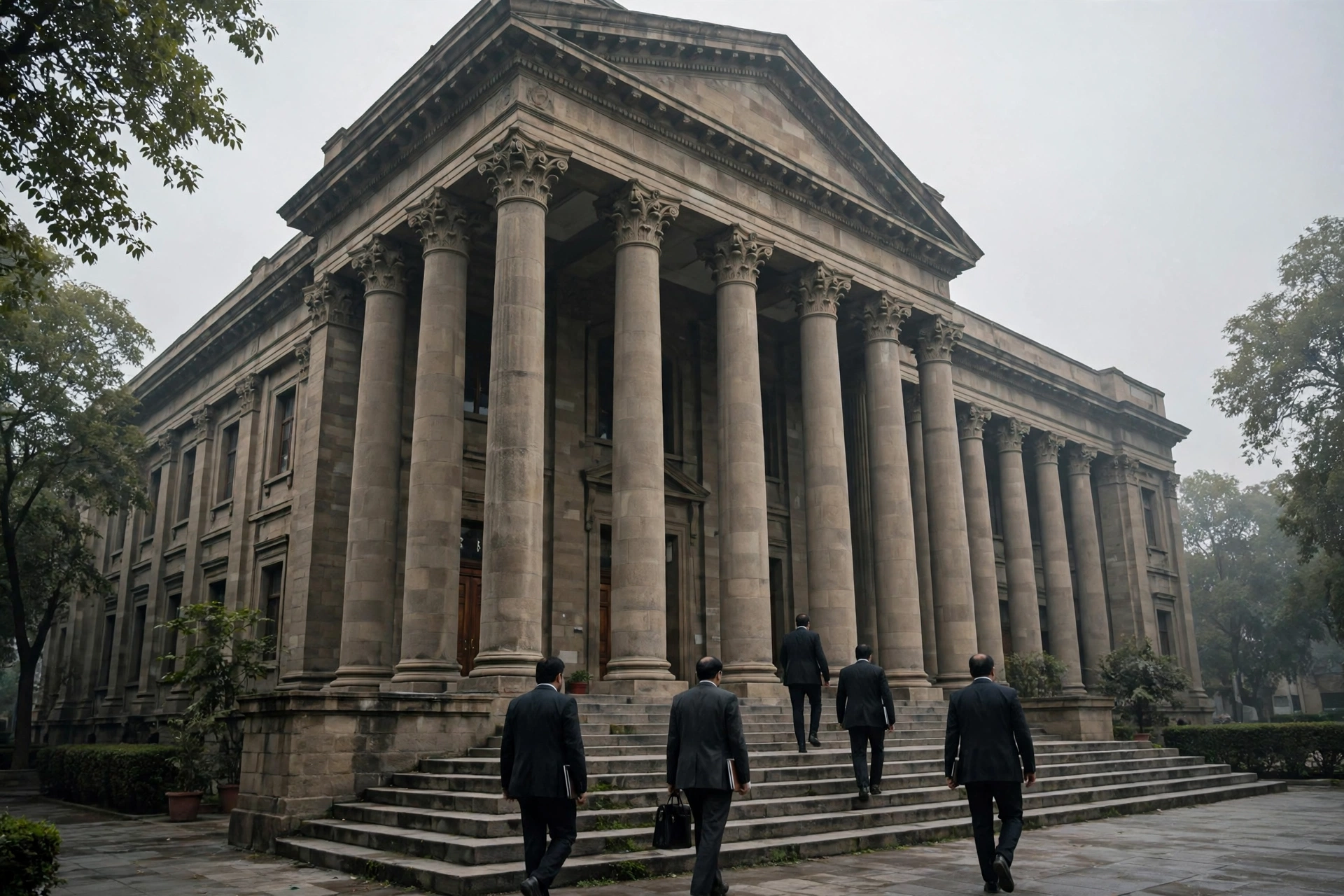
A two member bench of Justice Syed Arshad Ali and Justice Farah Jamshed directed the chief secretary, home secretary, inspector general of police and Peshawar capital city police officer to report by November 3. It covers Afridi, Swati, PTI provincial president Junaid Akbar, former Gilgit-Baltistan chief minister Khalid Khurshid and other detained lawmakers.
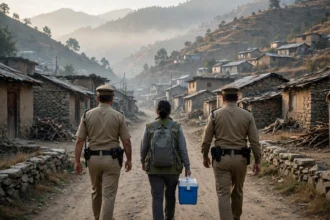
Afridi’s brother sought his recovery, alleging armed and masked men took him from the Chief Minister’s House in the presence of the capital city police officer. A similar petition for Swati was filed by his cousin under Article 199. Counsel argued that emergency and governor’s rule did not justify unlawful detention, citing Articles 4, 9, 10 and 14.
Three versions of one custody
Governor Faisal Karim Kundi said on Geo News programme Jirga that Afridi and Swati were under house arrest and in safe hands. Federal Information Minister Attaullah Tarar gave a second version on Samaa TV, saying Afridi was in protective police custody for his own safety and had not been formally arrested or charged.
The third version came in the first days. Sohail Afridi was placed in preventive custody after the KP emergency, the federal government confirmed at the time, while PTI lawmaker Junaid Akbar said Afridi had been arrested along with the party’s provincial president. Akbar, the man who announced the arrest, is himself among the people whose status the court has asked officials to explain. All three agree Afridi is not free. They disagree on the legal label, which decides whether detention needs a criminal case, production before a court, or only an administrative order. Afridi has not been seen publicly since October 11.
The nomination that changes the second question
Between the court’s order and today’s deadline, a separate criminal process changed the second question. On October 28, an anti-terrorism court in Peshawar issued arrest warrants for Afridi and four other PTI figures over the attack on the Radio Pakistan Peshawar building during the unrest of May 9 to 10, 2023. A supplementary charge sheet formally nominated the five as accused in a case that originally listed more than 80 suspects. Prosecutors cited NADRA and Punjab forensic reports placing the five at the site. Proceedings resume on November 4, with the warrants directed to be executed.
This is a court process in a 2023 case, not preventive custody, and the first public nomination that could answer the court’s second question. The November 3 reports should clarify whether officials count this nomination as their answer, and whether the warrants have been executed or only issued.
The second court track and the longer clocks
Custody is only one of two court tracks. In the second, PTI chairman Barrister Gohar Ali Khan and others challenge the emergency and governor’s rule themselves, questioning whether the constitutional threshold was met. Replies are due by November 7, and the substantive hearing has been flagged for November 10. Parliament backed the KP emergency and governor’s rule in October, when a joint sitting approved both proclamations on October 15, but parliamentary approval does not end a constitutional challenge.
Longer clocks are also running. Governor’s rule under Article 234 cannot stay in force for more than six months, taking the October 11 arrangement to about April 11, 2027. Senate elections fall due in March 2027, with 12 seats allocated to Khyber Pakhtunkhwa at stake if the assembly stays non-functional. The governor runs the province with an 11 member advisory council. The prime minister’s messaging has swung sharply, as when Shehbaz Sharif gave KP two opposite orders in a single day.
What today must settle, and what it cannot
Three checkable tests follow in order. First, today’s reports: do they name a case and a place for each detained leader, or repeat the language of protective custody. Second, November 4 at the anti-terrorism court: are the Radio Pakistan warrants executed, or do they remain paper orders. Third, November 7 and November 10: do the replies defend the emergency on its merits, and does the hearing reach the threshold question.
Today’s reports will answer only custody, not the legality of the emergency itself. Until they name a case and a place, the province’s chief executive remains a man described three ways by his own state. For more national news from Pakistan, PakMirror will track each of these dates as they fall.