
Pakistan’s headline inflation rate fell to 9.6 percent in October 2026, down from 10.3 percent in September, according to the Pakistan Bureau of Statistics. It was the third consecutive monthly fall in the yearly rate. Yet the same release shows prices still rose 1.1 percent during October itself, only a little slower than the 1.3 percent rise in September. October was not a month of falling prices. It was a month in which prices rose more slowly. The splits behind that headline matter more than the headline itself.
The headline fall, in plain numbers
The national Consumer Price Index stood at 307.62 in October, against 304.33 in September and 280.66 a year earlier. On that index, a basket that cost Rs10,000 in October 2025 cost about Rs10,961 in October 2026. Urban inflation was 9.5 percent year on year, down from 10.1 percent. Rural inflation was 9.8 percent, down from 10.5 percent. It still sits well above the State Bank of Pakistan target range of 5 to 7 percent, and the average for July to October 2026 was 10.05 percent, more than double the 4.79 percent of the same four months last year.
Rural prices rose faster, and the month tells why
The yearly gap between rural and urban inflation looks small, 9.8 percent against 9.5 percent. The monthly gap is much larger. Rural prices rose 1.5 percent in October, almost double the urban rise of 0.8 percent. Fresh vegetables jumped 19.59 percent in villages during the month, and rural flour rose 9.41 percent in October alone. In rural areas, the housing, water, electricity, gas and fuels group is up 17.62 percent year on year. The October easing was therefore felt unevenly. A household in a village faced a faster monthly increase than a household in a city, even though both saw the yearly rate fall.
Two food stories inside one month
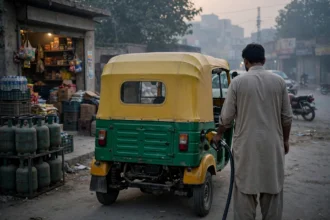
Food inflation eased to 7.74 percent year on year, down from 8.2 percent in September. Inside that average, two opposite stories ran at the same time. Perishable food prices fell 2.35 percent in the month, after a sharp 11.78 percent rise in September. Tomatoes fell 31.63 percent in cities during October, onions fell 4.23 percent, potatoes fell 4.04 percent and sugar fell 2.17 percent. At the same time, non perishable food inflation accelerated to 9.55 percent, up from 7.64 percent in September. In cities, chicken rose 19.38 percent in the month, pulse gram rose 9.17 percent, wheat rose 9.01 percent and wheat flour rose 7.54 percent. Outside food, liquefied gas rose 8.39 percent and motor fuel rose 3.00 percent in urban areas, while electricity charges fell 3.31 percent, the only non food item the Bureau lists as cheaper in the month. Households already face three LPG prices in November, from Rs294 to Rs630 a kilo.
Year on year, onions are up 81.89 percent, wheat 39.04 percent and flour 34.27 percent in cities, against tomatoes down 55.12 percent. One food average hides both a vegetable relief and a staple squeeze.
Core cools, wholesale warns
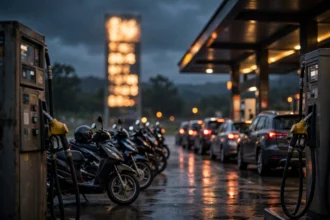
Core inflation, which leaves out food and energy, fell to 7.8 percent in urban areas in October, down from 8.6 percent in September, and to 7.1 percent in rural areas, down from 8.1 percent. That is genuine underlying cooling. It did not reach transport. National transport inflation quickened to 28.61 percent, up from 27.43 percent in September, and the urban transport group is up 30.39 percent year on year. Transport is where fuel prices land, and fuel is where the petrol pricing formula rewritten on November 2 will be tested. Meanwhile, wholesale prices moved the other way. The Wholesale Price Index rose to 13.8 percent year on year, up from 13.3 percent, led by kerosene, furnace oil and diesel. The pipeline is still hot. Electricity bills carry the same warning, with NEPRA holding its Rs2.56 fuel decision for November bills still undecided.
Three tests before December
First, watch the November consumer release in early December. Does the monthly rise stay near 1.1 percent, fall below 1 percent, or climb back toward September’s 1.3 percent? Second, watch the rural urban monthly gap. If rural prices rise near 1.5 percent again while urban prices rise near 0.8 percent, the easing will remain a city story more than a village story. Third, watch transport and wholesale together. If wholesale prices stay near 13.8 percent and transport stays above 28 percent, the State Bank’s 12 percent policy rate, now 2.4 points above October inflation, will be holding expectations while energy costs push the other way. The International Monetary Fund has raised Pakistan’s fiscal year 2027 inflation forecast to 9.9 percent. October answered the direction. November will answer the durability. For continuing coverage, see more business and economy news from Pakistan on PakMirror.