
Pakistan recorded 143 terrorist attacks in October 2026, down 37 percent from 226 in September, according to the Pakistan Institute for Conflict and Security Studies (PICSS). Deaths from those attacks fell 57 percent, from 260 to 111, and injuries fell 71 percent, from 242 to 69. Read with the rest of the same report, it is not the whole story. Kidnappings rose 22 percent to 88 people, the highest monthly figure in 12 months, and the final week ran against the monthly trend.
The monthly fall, in full
The improvement was broad. Balochistan recorded 71 attacks in October, down 46 percent from September. Mainland Khyber Pakhtunkhwa, excluding the former tribal districts, recorded 40 attacks, down 31 percent, with deaths falling from 90 to 38 and injuries falling from 165 to 19. The former tribal districts recorded a 12 percent fall. Sindh recorded no attacks in the PICSS count for October, while Punjab recorded a small rise. Suicide attacks fell to a single vehicle borne incident that caused no casualties.
Security operations were part of the same month. PICSS reported that operations killed 156 militants and produced seven arrests, while attacks and operations together produced 272 deaths and 71 injuries in October.
The Balochistan split
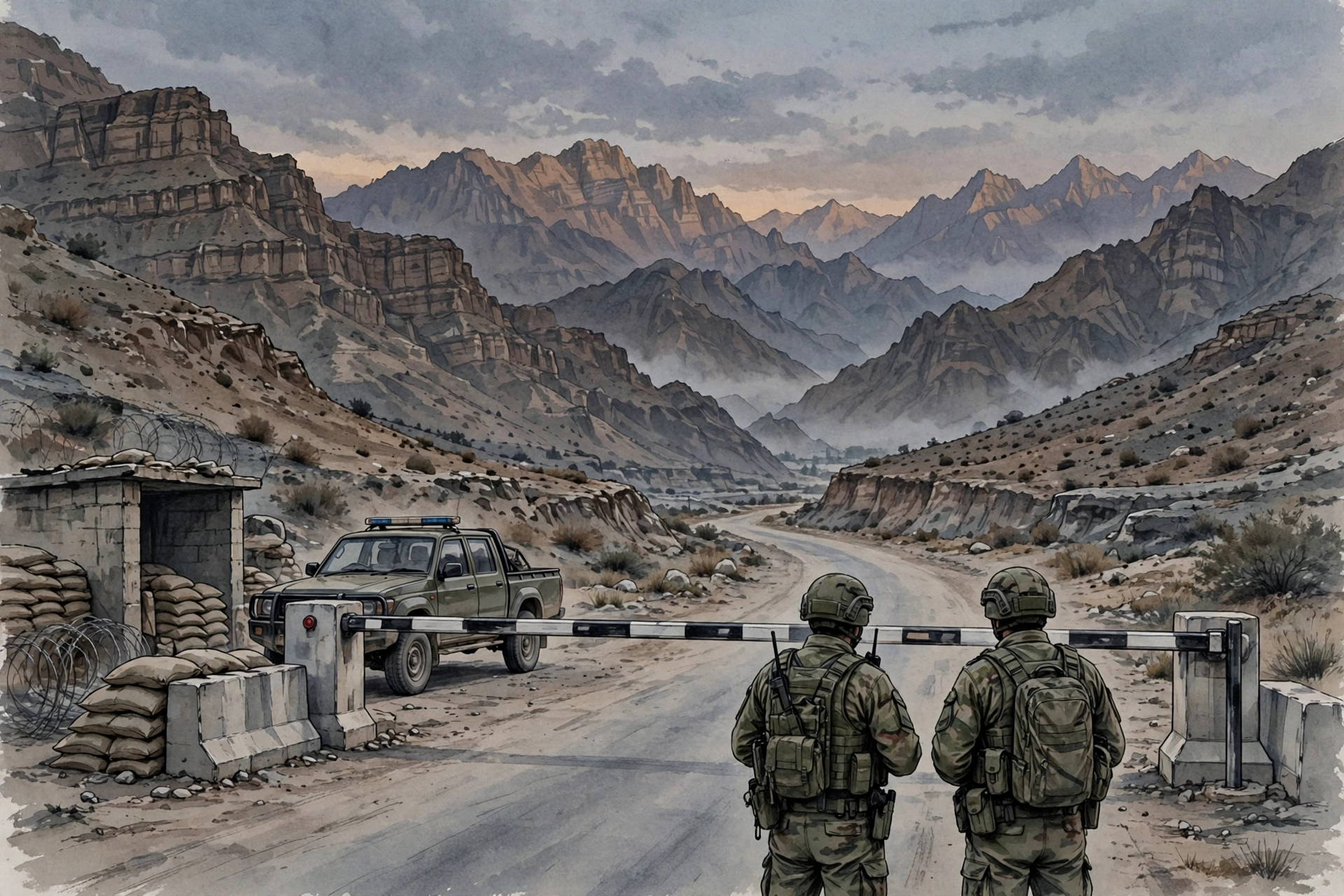
Balochistan is where the two headlines collide. Attacks in the province fell by almost half, yet 70 of the 88 people kidnapped across Pakistan in October were taken in Balochistan, close to four out of every five abductions. A province can therefore look safer on the attack count while becoming more dangerous for the people militants choose to seize.
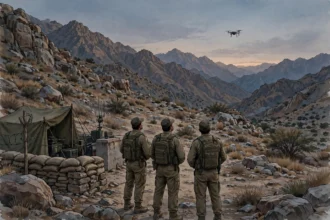
This split is why the kidnapping figure cannot be treated as a footnote. An attack count measures incidents; a kidnapping count measures people taken, creating a different pressure on families and local authorities. It also fits the October pattern in Kharan, where five drones aimed at a Kharan check-post showed militants testing a new method against a fixed target. Earlier in October, twelve terrorists were killed in 72 hours of Balochistan operations across five districts.
The last week warning
The strongest reason not to declare a turning point comes from inside October itself. In its weekly insight for October 23 to 29, PICSS recorded 31 militant attacks, up from 21 in the previous week, a rise of almost 48 percent, reversing five consecutive weeks of falling incidents. Fatalities in that week fell from 22 to 13, while injuries rose from 11 to 15. Balochistan accounted for 15 of the 31 attacks, while Khyber Pakhtunkhwa and the former tribal districts recorded eight each.
The former tribal districts are the sharpest part of that weekly warning. Attacks there rose by almost 167 percent in the week, pointing to a change in where violence is concentrated rather than a uniform national fall. Security forces killed 41 militants in separate actions that week, but a monthly average can hide a late surge. Anyone who quotes only the 37 percent fall is quoting the month without its final week.
Why kidnappings change the meaning
A fall in attacks with a rise in kidnappings suggests adaptation rather than retreat. Militants who attack less often but seize more people are not necessarily weaker. PICSS does not give a single motive for every abduction in this monthly release, and this article does not invent one. The pattern itself is the evidence: fewer incidents, more people taken, and the concentration in Balochistan.
The year to date figures keep that caution in proportion. Pakistan recorded 1,376 terrorist attacks in the first ten months of 2026, resulting in 3,902 deaths, a rise of 53 percent on the same period in 2025. October was better than September, but 2026 as a whole is still far worse than 2025: one better month inside a much worse year, with a kidnapping peak the attack count alone would miss. The diplomatic context also matters: Pakistan took its Afghan case to the United Nations last week, arguing that cross border sanctuaries remain the central problem.
Three tests that will settle it
First, the November PICSS count. If attacks stay near the October level and kidnappings fall back from 88, October will look like a real shift. If attacks rebound toward September, it will look like a pause. Second, the Balochistan kidnapping figure itself. A fall there matters more than a fall in the national attack total, because Balochistan held 70 of the 88 cases.
Third, the weekly trend. Two more weekly PICSS releases will show whether the October 23 to 29 rise was a blip or a new climb. Until those tests are answered, the honest summary is narrow: attacks fell sharply, deaths and injuries fell with them, kidnappings reached a 12 month high, and the last week moved the other way. Follow more national news from Pakistan for updates.