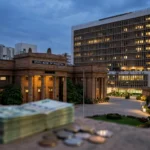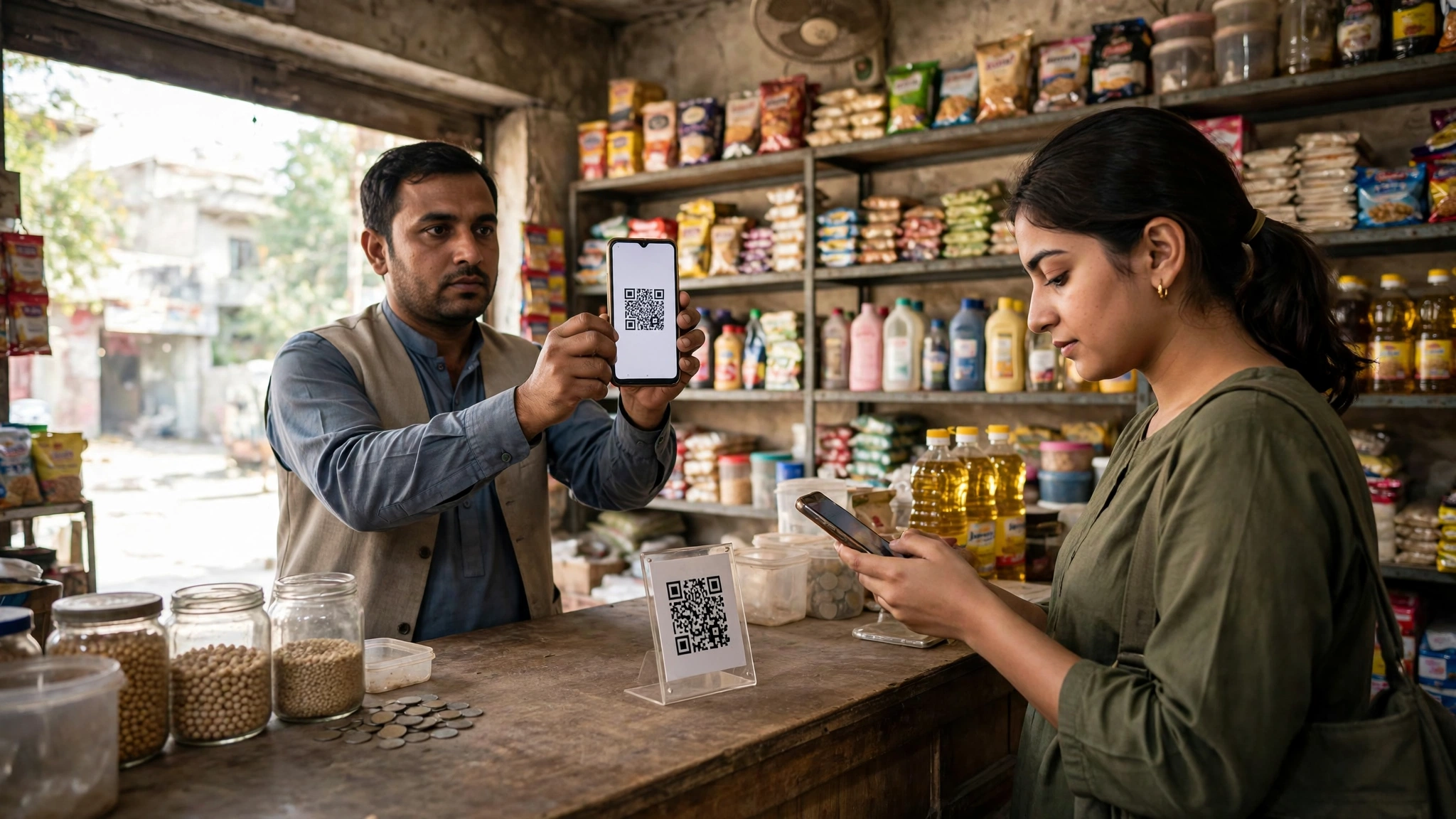

Islamabad will stop accepting cash at government counters from 30 November, and every shop in the capital is to accept digital payments by 31 December, under a plan announced on Friday that makes the city Pakistan’s first fully cashless city. The two dates were fixed at a meeting chaired by Minister of State for Interior Talal Chaudhry, who said about 26,000 merchants in the capital are already connected to digital payment systems.
What changes on 30 November
From 30 November, no department of the Islamabad Capital Territory administration or the Capital Development Authority will accept cash. Anyone paying a fee, applying for a document or settling a bill at a government office in the capital will need a card, a bank transfer or a mobile wallet instead. The meeting was attended by CDA Chairman Suhail Ashraf, banking sector representatives and senior officials, and the banks promised full cooperation. Chaudhry said the work is moving on the special instructions of Prime Minister Shehbaz Sharif and Interior Minister Mohsin Naqvi, who had pledged to the prime minister that Islamabad would become not only Pakistan’s first cashless city but the world’s first cashless capital.
What 31 December actually requires
The second date is the harder one. By 31 December, the government wants every merchant in Islamabad inside the digital payment system, from roadside stalls and small retailers to large commercial centres. That is a target for private businesses, which answer to no government department, and the announcement described no enforcement mechanism for it. No penalties for shops that miss the deadline were mentioned in the announcement. The finance ministry has pledged to keep subsidising Raast QR fees for shops, which removes one cost objection, but no rate, timetable or division of costs between merchant, bank and customer has been published for the merchant fee itself.
The numbers behind the promise
The minister’s headline figure is 26,000 merchants already connected. What the announcement did not give is the other half of the fraction: no total count of Islamabad’s merchants has been published, so nobody can say whether 26,000 is most of the city’s shops or a small share. The national backdrop is strong. Retail transactions rose from 9.1 billion in fiscal year 2025, worth Rs612 trillion, to 14.3 billion in fiscal year 2026, worth Rs673 trillion. Mobile banking users reached 24.1 million in fiscal year 2025, up from 10.9 million in fiscal year 2021. Overseas Pakistanis sent $3.89 billion home in October, and the USD to PKR exchange rate today decides what each dollar is worth when it lands in a Pakistani account.
What is already live in Islamabad
Parts of the capital are already cashless. Islamabad International Airport stopped taking cash at its counters in February, and this week the district administration put QR codes for fine payments in assistant commissioners’ offices and the Deputy Commissioner Complex. The national plumbing lands first: from Monday 16 November, government payments go through Raast across the country, and Raast QR codes already appear on more than 45 million gas and electricity bills. The government has also set 25 high-impact entities for complete digitisation by December. It is the visible edge of a wider digital payments shift, covered in our technology news from Pakistan.
What is still missing
Three gaps decide whether the deadlines hold. First, no formal notification listing the affected departments has been published, so a citizen who arrives at a counter with a banknote on 1 December has no published procedure to point to. Second, the shopkeeper’s fee is unsettled: the State Bank has only been directed to prepare a working paper for a Raast QR merchant discount rate, with neither the rate nor a start date fixed. Third, the 26,000 figure has no denominator. Until the government publishes how many merchants Islamabad has in total, the claim that the city is nearly ready cannot be checked. The “world’s first cashless capital” pledge is the minister’s own framing, and no other capital was measured against it in the announcement.
What happens next
The first test is 30 November, when ICT and CDA counters switch to digital only. The second is 31 December, when every shop is supposed to be ready. Between them sits 16 November, when government payments nationwide move to Raast. If the counters switch smoothly and the merchant fee is settled, Islamabad becomes the test case for the rest of the country. If shops are still waiting for QR codes or fee terms in December, the deadline will slip, and the government will have to say so. The next documents to watch are the formal notification and the State Bank’s working paper on the merchant fee. More national news from Pakistan.